283
4
4-5. Using the driving support systems
Driving
on the rear bumper.
O When driving on a road surface that is
wet with standing water during bad
weather, such as heavy rain, snow, or fog.
O When multiple vehicles are approaching
with only a small gap between each vehi-
cle.
O When a vehicle is approaching at high
speed.
O When equipment that may obstruct a
sensor is installed, such as a towing eye-
let, bumper protector (an additional trim
strip, etc.), bicycle carrier, or snow plow.
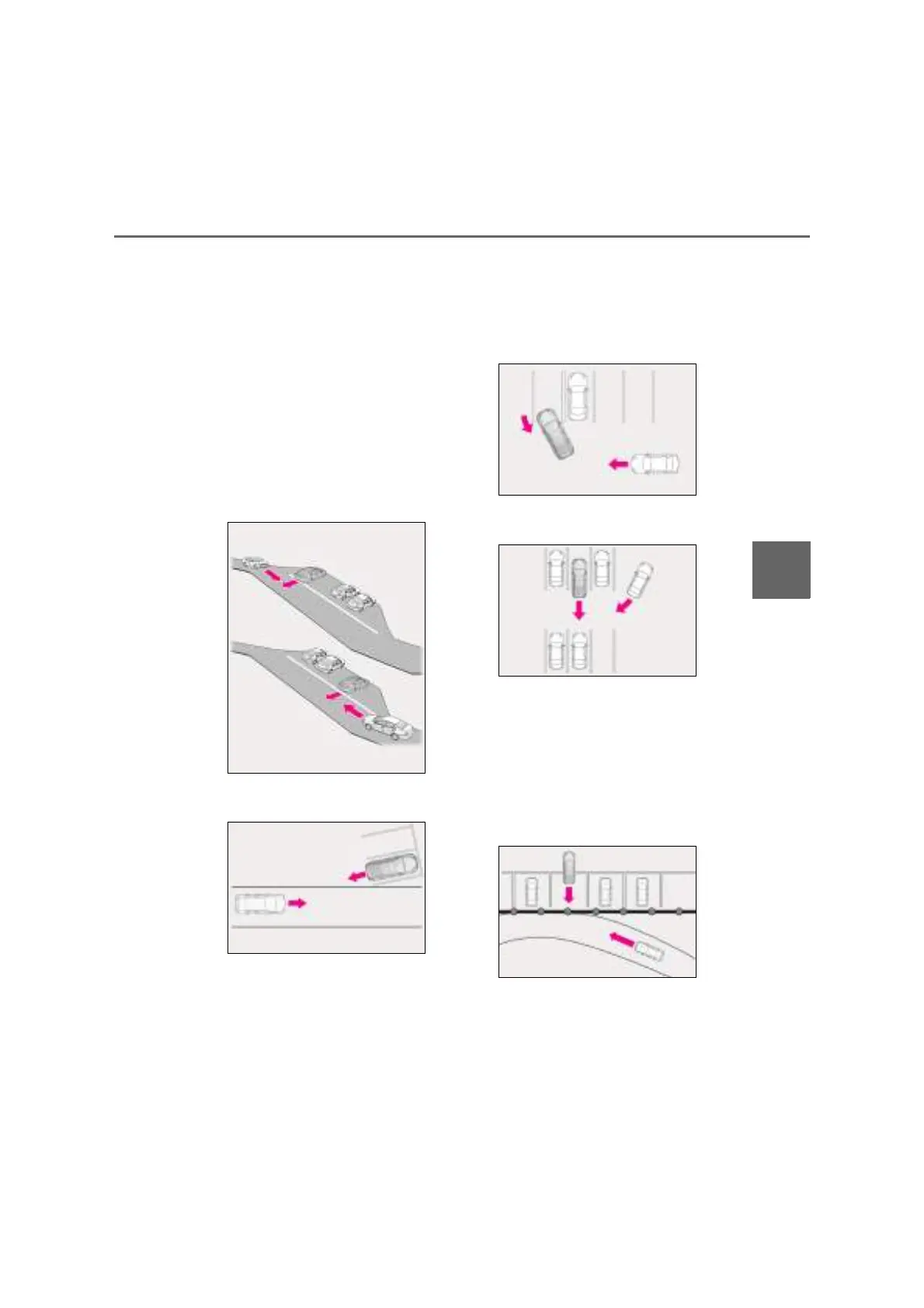
O When backing up on a slope with a sharp
change in grade.
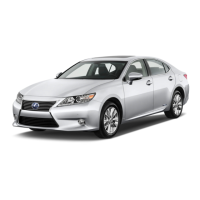
O When backing out of a sharp angle park-
ing spot.
O When towing a trailer.
O When there is a significant difference in
height between your vehicle and the
vehicle that enters the detection area.
O When a sensor or the area around a sen-
sor is extremely hot or cold.
O If the suspension has been modified or
tires of a size other than specified are
installed.
O If the front of the vehicle is raised or low-
ered due to the carried load.
O When turning while backing up.
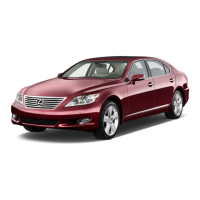
O When a vehicle turns into the detection
area.
Q Situations in which the system may
operate even if there is no possibility of a
collision
Instances of the RCTA unnecessarily
detecting a vehicle and/or object may
increase in the following situations:
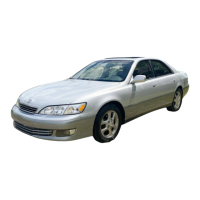
O When the parking space faces a street
and vehicles are being driven on the
street.
O When the distance between your vehicle
and metal objects, such as a guardrail,
wall, sign, or parked vehicle, which may
reflect electrical waves toward the rear of
the vehicle, is short.


 To Next Page