Subject to modifications
Owner Manual
Operating Instructions
2.2A-10001-G07
Page 22 of 36
LINCOLN GmbH • Postfach 1263 • D-69183 Walldorf • Tel +49 (6227) 33-0 • Fax +49 (6227) 33-259
Planning and Layout, continuation
Instructions for Quicklub Progressive Systems, continuation
1017a96
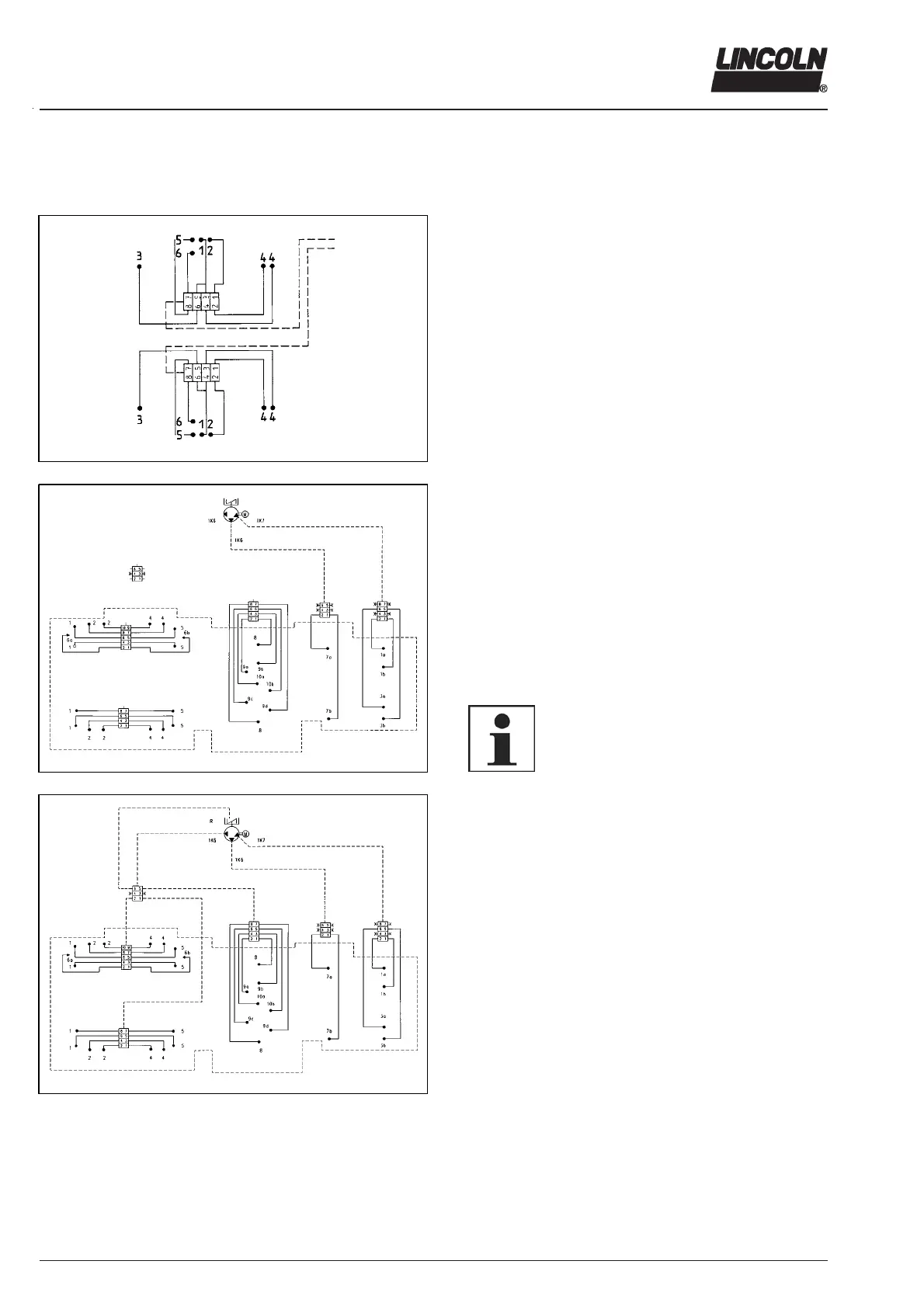
Fig. 36 Allocating the lubrication points
If there is an odd number of lubrication points or if the
lubrication points require a large lubricant quantity, select
the next larger metering device.
Close the outlets which are not required (see Fig. 36,
outlet 5 or 6), except for outlets 1 and 2.
Outlets whose lubricant output is higher due to the closing
of preceding outlets must be connected to the lubrication
points with an increased lubricant requirement.
1003a96
Fig. 37 Determining the size of the main metering device
7. Determining the size of the main metering device
First, allocate one outlet of the main metering device to
each secondary metering device.
If possible, supply the same lubricant quantities to similar
lubrication points.
Check whether one or more secondary metering devices
require larger lubricant quantities. See direct connection
of the metering device to respectively one single pump
element, example Fig. 37.
If necessary, modify the allocation of the lubrication
points.
Maximum size of the main metering device: SSV 12
6001a02
NOTE
In special cases, also bigger SSV dividers
(up to 22 outlets) may be used as main
dividers.
1002a96
Fig. 38 Divided lubricant quantity
8. Dividing the lubricant quantity
Each lubrication point should be supplied with lubricant at
least once every day, at the latest on the next day.
Avoid overlubrication, i.e. too much lubricant per day and
per lubrication point.
Avoid underlubrication, i.e. too little lubricant per day and
per lubrication point.
To fulfill these conditions, adhere to the following:
- Adjust the operating time in such a way that the pump
supplies lubricant to the lubrication points at least once
a day. See ”Determining the operating time of the
pump”.
- Adjust the pause time in such a way that the frequency
of the lubricant supply meets the operating or applica-
tion conditions of the machine or vehicle.
- Divide the lubricant quantities as shown in the example
Fig. 38. Also see the calculation example in Fig. 39.
Connect the outlets of the main metering device which are
not used to the pump via a return line R.



 To Next Page