12
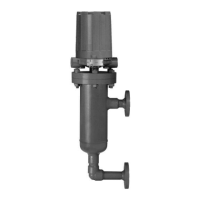
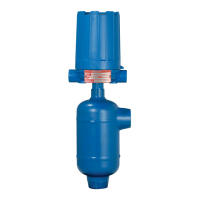
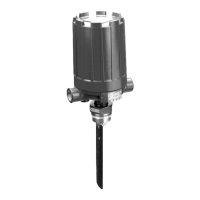
46-620 B73 & Series 75 Liquid Level Switches
Agency Approved Model Area Classification
FM All with an electric switch mechanism and a housing Class I, Div 1, Groups C & D
listed as TYPE 4X/7/9 Class II, Div 1, Groups E, F & G
All with an electric switch mechanism and a housing Class I, Div 1, Groups B, C & D
listed as TYPE 4X/7/9 Class I, Div 1, Group B Class II, Div 1, Groups E, F & G
CSA All with a Series A, E, F, HS, H1, 2 or 3 electric switch Class I, Div 2, Groups B, C & D
mechanism and a housing listed as CSA TYPE 4X
All with an electric switch mechanism and a housing Class I, Div 1, Groups C & D
listed as TYPE 4X/7/9 Class II, Div 1, Groups E, F & G
All with an electric switch mechanism and a housing Class I, Div 1, Groups B, C & D
listed as TYPE 4X/7/9 Class I, Div 1, Group B Class II, Div 1, Groups E, F & G
ATEX / IEC Ex All with an electric switch mechanism and an Ex II 2 G EEx D IIC T6
ATEX housing
CE Low voltage directives Installation Category II
73/23/CEE & 93/68/CEE Pollution Degree 2
Per Harmonized Standard
EN 61010-1/1993 & Amendment No. 1
5.0 Specifications
5.1 Agency Approvals
Models with two HS or two H1 switches are not ATEX approved.
1. Never leave switch housing cover off the control longer
than necessary to make routine inspections.
2. Never place a jumper wire across terminals to “cut-out”
the control. If a “jumper” is necessary for test purposes, be
certain it is removed before placing control into service.
3. Never attempt to make adjustments or replace switches
without reading instructions carefully. Certain adjustments
provided for in level controls should not be attempted in
the field. When in doubt, consult the factory or your local
representative.
4. Never use lubricants on pivots of switch mechanisms.
A sufficient amount of lubricant has been applied at the
factory to ensure a lifetime of service. Further oiling is
unnecessary and will only tend to attract dust and dirt
which can interfere with mechanism operation.
IEC Installation Instructions:
The cable entry and closing devices shall be Ex d certified suitable for the conditions of use and correctly installed.
For ambient temperatures above +55° C or for process temperatures above +150° C, suitable heat resistant cables shall be used.
Heat extensions (between process connection and housing) shall never be insulated.
Special conditions for safe use:
When the equipment is installed in process temperatures higher than +85° C the temperature classification must be reduced
according to the following table as per IEC60079-0.




 To Next Page