Page 10
7.6
When disconnecting charger, always do so in reverse sequence of
connecting procedure and break first connection while as far away
from battery as practical.
7.7
A marine (boat) battery must be removed and charged on shore.
To charge it on board requires equipment specially designed for
marine use.
8. GROUNDING AND AC POWER CORD CONNECTIONS
8.1
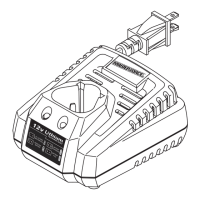
This battery charger is for use on a nominal 120 volt circuit. The
plug must be plugged into an outlet that is properly installed and
grounded in accordance with all local codes and ordinances.
The plug pins must fit the receptacle (outlet). Do not use with an
ungrounded system.
8.2
Never alter the AC cord or plug provided – if it does
not fit the outlet, have a proper grounded outlet installed by a qual
-
ified electrician. An improper connection can result in a risk of an
electric shock or electrocution.
8.3
USING AN EXTENSION CORD
The use of an extension cord is not recommended. If you must use an
extension cord, follow these guidelines:
• Pins on plug of extension cord must be the same number, size,
and shape as those of plug on charger.
• Ensure that the extension cord is properly wired and in good
electrical condition.
• Wire size must be large enough for the AC ampere rating of
charger, as specified below:
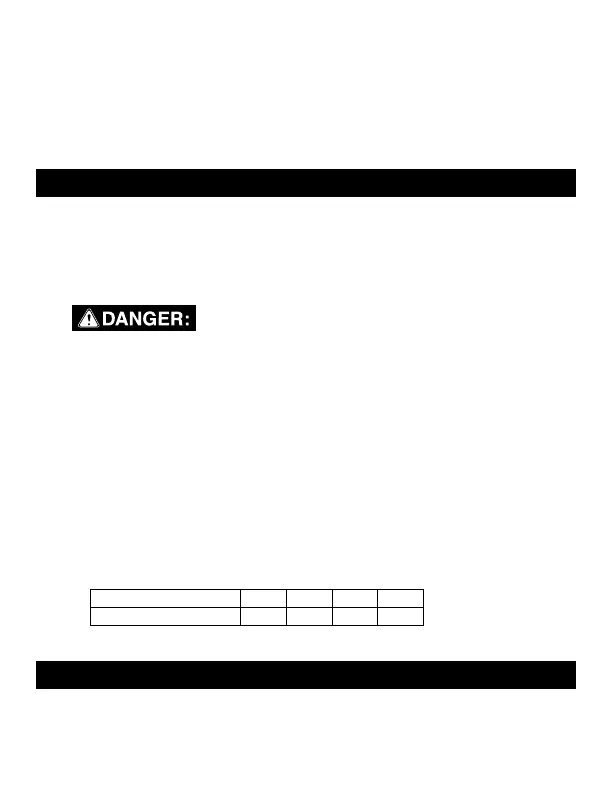
Length of cord (feet) 25 50 100 150
AWG* size of cord 18 18 18 16
*AWG-American Wire Gauge
9. ASSEMBLY INSTRUCTIONS
9.1
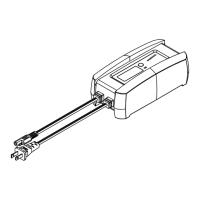
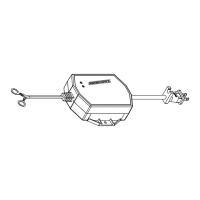
Remove all cord wraps and uncoil the cables prior to using the
battery charger.


 To Next Page