PAGE 54 — MAYCO LS450 CONCRETE PUMP • OPERATION MANUAL — REV. #2 (02/23/21)
TRAILER MAINTENANCE
The following trailer maintenance guidelines are intended
to assist the operator in preventive maintenance.
TRAILER BRAKES
Properly functioning brake shoes and drums are essential
to ensure safety. The brakes should be inspected after the
first 200 miles of operation. This will allow the brake shoes
and drums to seat properly. After the first 200-mile interval,
inspect the brakes every 3,000 miles. If driving over rough
terrain, inspect the brakes more frequently.
HYDRAULIC BRAKES
If your trailer has hydraulic brakes, they function the same
way the surge brakes do on your tow vehicle. The hydraulic
braking system must be inspected at least as often as the
brakes on the tow vehicle, but no less than once per year.
This inspection includes an assessment of the condition
and proper operation of the wheel cylinders, brake shoes,
brake drums and hubs.
Manually Adjusting the Brakes
Most axles are fitted with a brake mechanism that will adjust
the brakes during a hard stop. However, some braking
systems are not automatically adjusted by hard stopping.
These brakes require manual adjustment. The following
steps apply to adjust most manually adjustable brakes.
1. Jack up the trailer and secure it on jack stands of
adequate capacity.
2. Be sure the wheel and brake drum rotate freely.
3. Remove the adjusting hole cover from the adjusting
slot on the bottom of the brake backing plate.
4. With a screwdriver or standard adjusting tool, rotate the
star wheel of the adjuster assembly to expand the brake
shoes. Adjust the brake shoes out until the pressure
of the linings against the drum makes the wheel very
difficult to turn.
NOTICE
Your trailer may be equipped with drop-spindle axles.
See the axle manual for your axle type. You will need a
modified adjusting tool for adjusting the brakes in these
axles. With drop-spindle axles, a modified adjusting tool
with about an 80-degree angle should be used.
5. Rotate the star wheel in the opposite direction until the
wheel turns freely with a slight drag.
6. Replace the adjusting hole cover.
7. Repeat the above procedure on all brakes.
8. Lower the trailer to the ground.
Check the fluid level in the master cylinder reservoir at least
every 3 months. If you tow your trailer an average of 1,000
miles per month in a hot and dry environment, you must
check the brake fluid level once a month. The brake fluid
reservoir is located on the tongue of the trailer. ALWAYS
fill with clean, uncontaminated DOT 4 brake fluid.
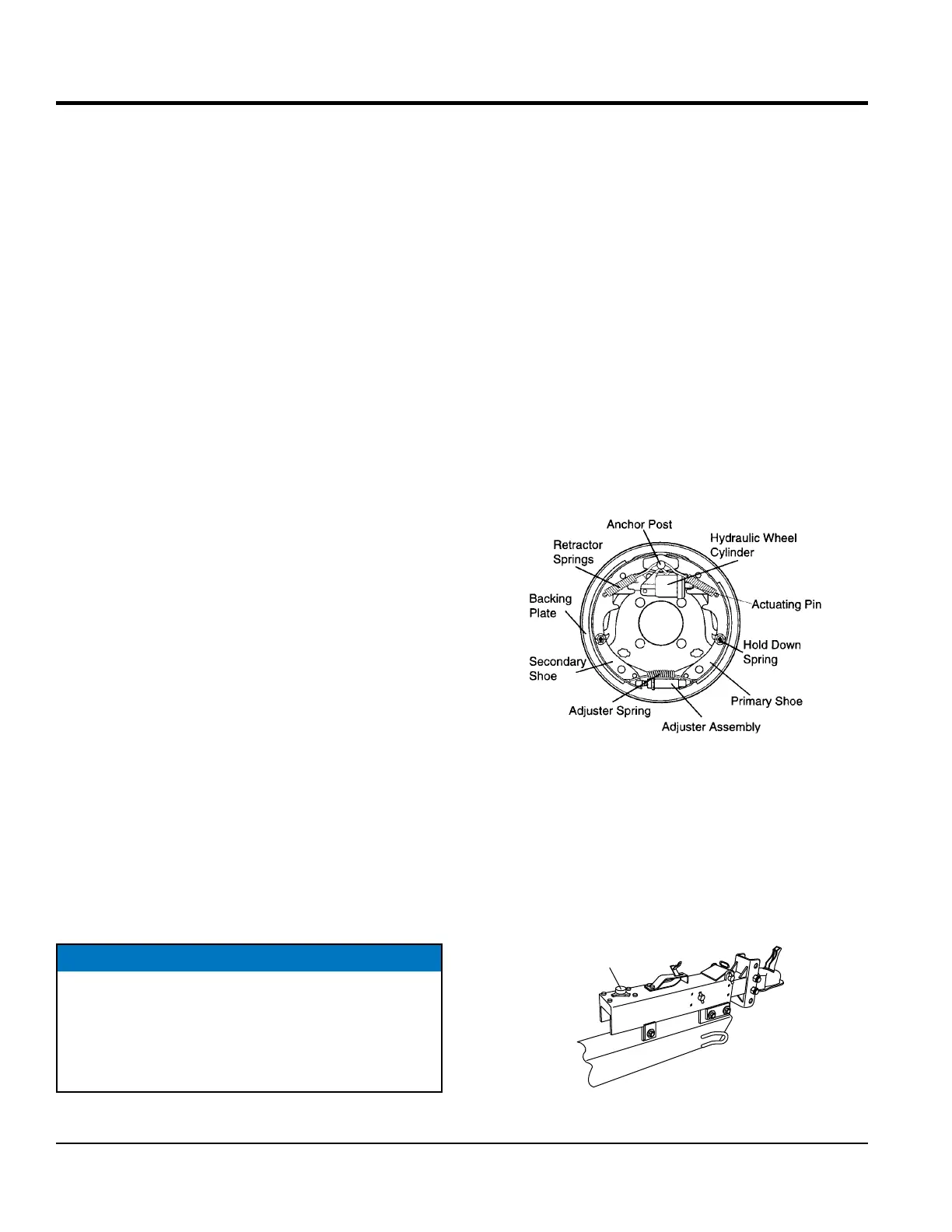
Figure 62 illustrates the major hydraulic brake components
that will require inspection and maintenance. Please
inspect these components as required using steps 1–6 in
the Manually Adjusting the Brakes section on this page.
See Table 8 for hydraulic brake troubleshooting.
Figure 62. Hydraulic Brake Components
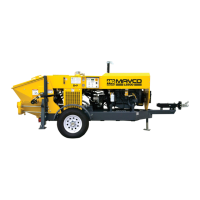
Hydraulic Brake Actuator
The hydraulic brake actuator (Figure 63) is the mechanism
that activates the trailer’s brake system. This actuator
changes fluid power into mechanical power. Therefore, the
fluid level must be checked frequently to assure that the
brakes function properly.
Figure 63. Hydraulic Brake Actuator
HYDRAULIC
FLUID
RESERVOIR


 To Next Page