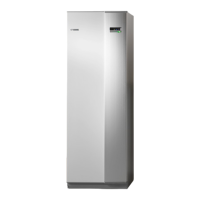
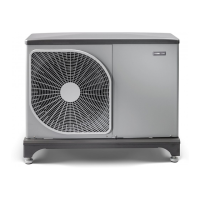
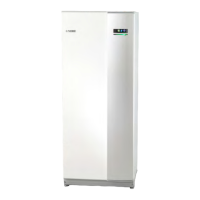
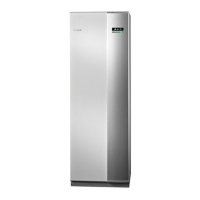
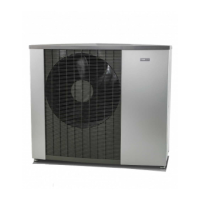
The NIBE 360P is an exhaust air source heat pump system designed to provide heating and hot water for residential homes. This Swedish-engineered system operates entirely on electric power, eliminating the need for a gas boiler. It is designed to run 24 hours a day for optimal efficiency and cost-effectiveness.
Function Description:
The NIBE 360P unit integrates a ventilation system, a hot water cylinder, and a heat pump. It draws warm, stale air from the kitchen and bathroom through white circular ducts. This air is then fed into the heat pump, which extracts heat and energy, increasing its temperature. This heated energy is then transferred to warm water for radiators and to heat the water stored in the integral cylinder for domestic hot water use. The extracted stale air is released outside the home. To maintain a healthy internal environment, new fresh air is introduced into the house through wall or ceiling ducts equipped with cleanable filters. The system is efficient, producing approximately three kilowatts (KW) of heat energy for every KW of electricity consumed.
Usage Features:
- Temperature Setting: Users can adjust the desired room temperature using a dial on the unit. Moving the dial (marked with a '+') increases the temperature. It may take up to 24 hours for temperature changes to become noticeable. The manufacturer recommends setting the internal room sensor (typically in the hall or living room) to position 5, which corresponds to approximately 21 degrees Celsius, during the heating season. For periods when the home is unoccupied or at night, the temperature can be reduced to save energy. These setback functions are accessible through menu 7 on the heat pump's controller.
- Plus button (+): Scrolls through the menu system forwards or increases the value of a selected parameter.
- Minus button (-): Scrolls through the menu system backwards or lowers the value of a selected parameter.
- Enter button: Selects a lower menu, activates a parameter change, and confirms a parameter change.
- Season Settings: The NIBE 360P offers three season modes:
- Summer mode: Recommended for summer, this mode instructs the unit to produce only hot water.
- Spring/Autumn mode: Recommended for the rest of the year, this mode enables both heating and hot water production.
- Winter mode: This mode allows the unit to utilize an electric immersion heater to boost heating during very cold periods. However, using the immersion heater unnecessarily will increase running costs.
Users can scroll through these modes using a dedicated button (left button) and confirm their selection with a return button (right button).
- Extra Hot Water (Immersion Heater): The unit includes an immersion heater for quick access to extra hot water. This feature should be used sparingly to minimize electricity bills. Users can activate this by pressing a button on the control panel. Options include 24hr, 12hr, 6hr, 3hr, and OFF. The suggested setting is 3hr, and users should switch it to OFF once sufficient hot water is available.
- Radiator Use: The radiators are designed to complement the heating system, delivering water at a lower temperature than conventional gas systems to save energy. They are sized to maintain a comfortable room temperature. Thermostatic radiator valves (TRVs) on the radiators should generally be set to 3-4 in living rooms, and potentially lower in bedrooms for comfort. These TRVs are self-regulating. If additional heat is needed, the thermostat can be temporarily turned to a higher setting, then returned to its original position once the room is warm.
- Ventilation Ducts: The system relies on proper airflow through ventilation ducts. Users are advised not to block these ducts, as blockages can affect and damage system performance.
- Control Panel Settings: Users should not attempt to change internal settings of the unit unless instructed by a trained service engineer.
- Radiator Temperature: Radiators may not become hot to the touch, as the system is designed to maintain a consistent room temperature rather than produce extremely hot radiators.
- Condensation Management: Do not open windows to clear condensation when bathing or cooking, as this can interfere with the system's efficiency.
Maintenance Features:
- Air Filter Cleaning: The heat pump's air filter requires regular cleaning, approximately 4-5 times per year, or more often in a new house. A "FILTER ALARM" message on the display panel will remind users when it's time to clean the filter.
- To clean: Set the switch to "0". Open the upper front cover by pulling it out from the lower edge and lifting it up. Pull out the filter holder, remove the filter, and shake off any dirt. Check for damage. New filters can be ordered from NIBE. Reassembly is in reverse order.
- Ventilation Device Cleaning: The building's ventilation devices (ducts) should be cleaned regularly with a small brush to maintain correct ventilation. The device settings must not be changed. If multiple devices are removed for cleaning, ensure they are not mixed up.
- Ventilation Opening Check: The ventilation opening behind the lower front cover should be checked and cleaned if blocked.
- Pressure Gauge Check: Periodically check the pressure gauge on the control panel. If the pointer drops to 1 bar, it should be reported to the housing association as a service call may be required.
- Professional Servicing: The housing association will arrange annual service and health checks, including cleaning of the filters behind the casing of the tall heating unit and the removable filters in the fresh air inlets.
Important Technical Specifications (Implied):
- Power Source: Electric.
- Heat Output Ratio: Approximately 3 KW of heat energy for every 1 KW of electricity consumed.
- Components: Ventilation system, hot water cylinder, heat pump.
- Room Temperature Range: Recommended 20-21 degrees Celsius.
- Pressure: Normal operating pressure should be above 1 bar.
Recommendations on Electrical Tariff and Payment Method:
- It is recommended to pay for electricity via regular direct debit payments to spread costs evenly throughout the year and often secure the cheapest cost per unit (kWh).
- Pre-payment meters typically result in higher electricity costs per unit.
- A standard electricity tariff is suggested as a starting point, though the choice of supplier, payment method, and tariff is ultimately the user's decision and should be reviewed periodically.
- Users should remember that the absence of gas bills should be factored into the overall running costs.

 Need help?

 To Next Page
 General