When heating is not required, during summer for instance, turn the room sensor down to a lower number
as this will prevent the heating from coming on unnecessarily.
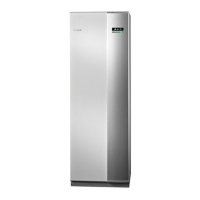
Within the control panel, you should also periodically check the pressure gauge. If the pointer on the dial
drops to 1 bar you should report this to your housing association as a service call may be required.
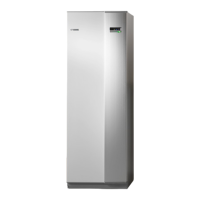
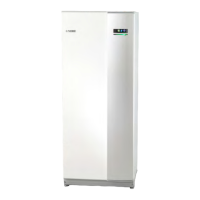
Hot water for bathing and washing should always be available on demand and is drawn from the cylinder
housed in the tall unit. If you require more hot water this can be activated by pressing the additional hot
water button on the control panel to the front of the tall heating unit, but remember to reset this to your
normal hot water pattern once demand has been satisfied.
Use of the radiators
The radiators installed in your home have been chosen to compliment the heating system. Because water
is delivered to the radiators at a lower temperature than a conventional gas radiator system to save energy,
they have been sized accordingly and will maintain a comfortable room temperature throughout the heating
season.
On the side of your radiators is a thermostatic radiator valve (TRV) which should generally be left towards
the maximum setting of 3-4 in living rooms although in bedrooms a slightly lower setting may be more
comfortable for sleeping. The radiators have been specifically set up for your home so in effect they are
self regulating and will deliver heat just when you need it.
If you require additional heat in the room, perhaps when you arrive home during a winter evening, simply
turn the thermostat to a higher setting. Once the room is sufficiently warm you should return the radiator trv
back to its original setting.
General information
There are no user serviceable parts in the heating system or the radiators. In the event of a problem or
heating failure please report this to your housing association.
Your housing association will arrange annual service / health checks of the heating system to be
undertaken. This will include removal and cleaning of the filters located behind the casing of the tall heating
unit. It is possible that a ‘Filter-Alarm’ message will appear in the display panel. Our service call will also
include cleaning of the removable filters in the fresh air inlets provided into your home (not part of the
heating system). You may wish to clean these easily user serviceable fresh air inlet filters more often by
removing them, vacuuming or washing clean and replacing again once dry.
An explanation of the above will be provided to you at your home. Further details of the heating system and
radiators are included in your residents pack and this information sheet should be placed with these. If you
have any questions or issues with the system, please contact your housing association for assistance.



 To Next Page