FM TRANSMITTER
TR EM 1000 HE DIG PLUS COMPACT
Technical Manual 1v2 November 2019 6
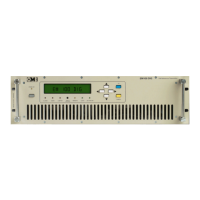
Step 3: BEGIN RESCUE BREATHING.
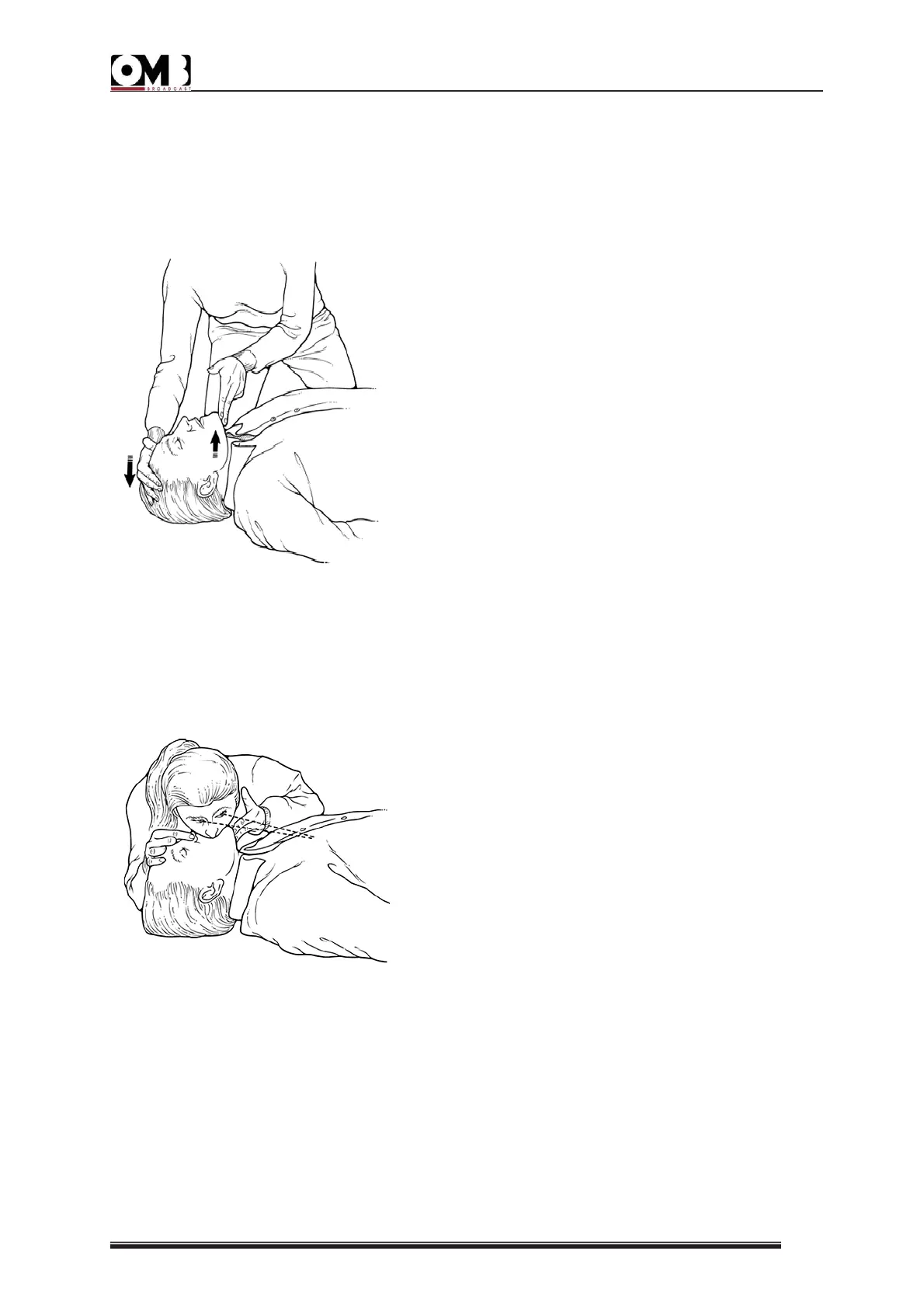
x Place your hand on the person's forehead and pinch the person's nostrils shut with
your thumb and forefinger. With your other hand, continue tilting the chin forward to
keep the airway open.
Take a deep breath and place your mouth over the
person's mouth, making a tight seal. For an infant, place
your mouth over the baby's mouth and nose. As you
slowly blow air into the person, watch to see if his or her
chest rises.
If the first breath does not go in, try tilting the person's
head again and give another breath.
Slowly blow air in until the person's chest rises. Take 1 to
2 seconds to give each breath. Between rescue breaths,
remove your mouth from the person's mouth and take a
deep breath. Allow his or her chest to fall and feel the air
escape.
x Give the person 2 full breaths. Then check for circulation.
Step 4: CHECK FOR CIRCULATION.
Look for signs of circulation, such as breathing,
coughing, or movement in response to rescue
breathing. If there are no signs of circulation , begin
chest compressions. See Step5. If there are signs of
circulation, continue to give rescue breaths until help
arrives or until the person starts breathing on his or her
own. If the person starts breathing again, he or she still
needs to be seen by a health professional.
Give rescue breaths:
Adults (age 9 and older): 2 breaths every 15 seconds.


 To Next Page