Need help?
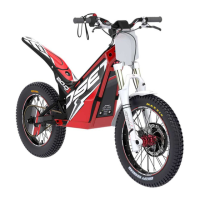
Do you have a question about the oset 20.0 and is the answer not in the manual?
Responsibility of adults in setting up and ensuring safe operation of the bike for children.
Vehicle is restricted to offroad use; illegal and hazardous on streets and thoroughfares.
Ensures safe riding practices and skill assessment by responsible adults.
Prohibits passengers, sets weight limits, and advises on proper attire.
Emphasis on helmets and protective gear to reduce injury severity.
Pre-ride checks, supervision, gear, and rider limits are owner's responsibilities.
Adults must assess conditions and rider readiness; maintain constant supervision.
Mandatory helmet/gear; one rider only; respect weight limitations.
Summary of crucial safety aspects: supervision, gear, laws, maintenance.
OSET 20.0 operates at 48 volts only; higher voltage voids warranty and risks injury.
Warnings about proper assembly to prevent accidents and voiding warranty.
Crucial adjustment by adult for throttle response; start slow.
Keep clear during adjustments; verify settings before rider use.
Visually inspect pads and disc distance; loosen caliper to center.
Recommended to take bike to retailer for adjustment due to safety risks.
Improper battery use voids warranty and can cause hazardous situations or fire.
Keep batteries away from heat, flames, and direct sun exposure.
Protect from moisture; remove before washing; avoid physical shock.
Steps for connecting charger, plugging in, and monitoring charge status.
Use only the supplied charger to avoid warranty void, damage, or fire.
Standard charging times, initial charges, and avoiding overcharging.
Disconnect AC power first; protect charger from shock; no memory effect.
Importance of keeping batteries 'balanced' for performance and lifespan.
Setting the speed switch and response dial for rider ability.
Improper setup is dangerous; results in serious injury, death, or damage.
Practice controls stationary, learn throttle control, and brake coordination.
Proper stance, hand position, and adult support for learning to stand.
Turning is key; requires control of balance, body, and throttle.

 To Next Page
 General