23
Fig. Item no. Quant
ity
Designation Reference Number
– – 1 Instructions for Use 647G403=1
– – 1 Quick Start Guide 647H515=1
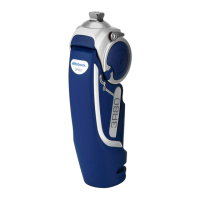
1 – 1 1 Prosthetic Knee Joint –
1 2 1 Tube Adapter, titanium, waterproof 2R57=WF
1 3 1 Adjustment Wrench 710H10=2x3
1 4 1 Compression Spring 513D59=1.3X8.8X86
1 5 1 Pyramid Dome Protektor Kit 2Z11=KIT
5 Preparing the product for use
5.1 Information on fabrication of a prosthesis
CAUTION
Incorrect alignment, assembly or adjustment
Injuries due to incorrectly installed or adjusted as well as damaged prosthetic components
►
Observe the alignment, assembly and adjustment instructions.
CAUTION
Initial use of the prosthesis by the patient
Fall due to lack of patient experience, incorrect alignment or incorrect adjustment of the pros
thesis
►
For the safety of the patient, use a suitable device (e.g. parallel bars, handrail) during initial
standing and walking.
►
Do not use devices with insufficient stability (e.g. crutches or walking sticks).
Fabricating a prosthesis that is optimally tailored to the patient demands technical knowledge of
orthopaedic technology. The alignment and adjustments may only be carried out by a prosthetist.
The alignment and adjustments are mainly completed in the following steps:
1. Bench alignment
2. Static alignment
3. Dynamic trial fitting
These steps are first carried out with a test prosthesis in order to determine the best possible
combination and positioning of the prosthetic components relative to each other. Once all set
tings have been tailored to the patient, the definitive prosthesis is produced. The same steps are
repeated for this purpose.
In dynamic trial fitting, the patient must be given sufficient time to become familiar with the func
tions of the prosthesis, thereby learning safe use for everyday life.
5.2 Information on Using a Cosmetic Cover
CAUTION
Use of talcum
Risk of injury, damage to the product due to lack of lubrication
►
Do not use talcum on the product or other prosthesis components.
►
Only use the foam cover approved by the manufacturer (see section "Combination Possibilit
ies" – see Page20).
►
To reduce friction and to eliminate noise, apply 519L5 Silicone Spray directly onto the contact
surfaces of the cosmetic foam cover.
►
After fabricating the cosmetic cover, repeat the dynamic trial fitting since the cover affects the
adjustments of the prosthesis (e.g. damping).


 To Next Page