8
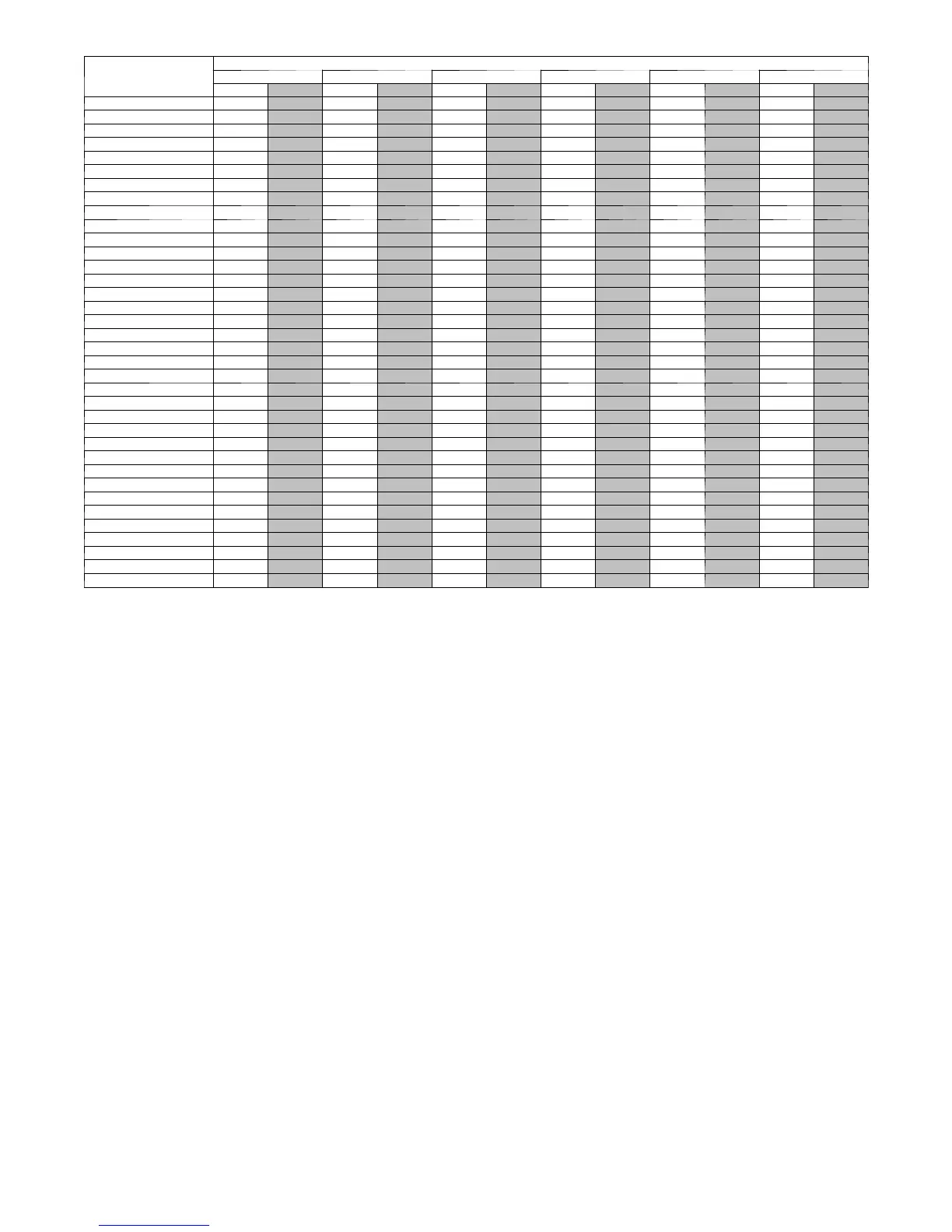
Table 2—R -- 410A Required Liquid Line Temperature
MEASURED
LIQUID PRESSURE
(psig)
RATING PLATE (REQUIRED) SUBCOOLING TEMPERATURE _F(_C)
6 ( --- 1 4 ) 8 ( --- 1 3 ) 10 ( --- 12) 12 ( --- 11) 14 ( --- 10) 16 ( --- 9)
°F °C °F °C °F °C °F °C °F °C °F °C
189 60 16 58 14 56 13 54 12 52 11 50 10
195 62 17 60 16 58 14 56 13 54 12 52 11
202 64 18 62 17 60 16 58 14 56 13 54 12
208 66 19 64 18 62 17 60 16 58 14 56 13
215 68 20 66 19 64 18 62 17 60 16 58 14
222 70 21 68 20 66 19 64 18 62 17 60 16
229 72 22 70 21 68 20 66 19 64 18 62 17
236 74 23 72 22 70 21 68 20 66 19 64 18
243 76 24 74 23 72 22 70 21 68 20 66 19
251 78 26 76 24 74 23 72 22 70 21 68 20
259 80 27 78 26 76 24 74 23 72 22 70 21
266 82 28 80 27 78 26 76 24 74 23 72 22
274 84 29 82 28 80 27 78 26 76 24 74 23
283 86 30 84 29 82 28 80 27 78 26 76 24
291 88 31 86 30 84 29 82 28 80 27 78 26
299 90 32 88 31 86 30 84 29 82 28 80 27
308 92 33 90 32 88 31 86 30 84 29 82 28
317 94 34 92 33 90 32 88 31 86 30 84 29
326 96 36 94 34 92 33 90 32 88 31 86 30
335 98 37 96 36 94 34 92 33 90 32 88 31
345 100 38 98 37 96 36 94 34 92 33 90 32
354 102 39 100 38 98 37 96 36 94 34 92 33
364 104 40 102 39 100 38 98 37 96 36 94 34
374 106 41 104 40 102 39 100 38 98 37 96 36
384 108 42 106 41 104 40 102 39 100 38 98 37
395 110 43 108 42 106 41 104 40 102 39 100 38
406 112 44 110 43 108 42 106 41 104 40 102 39
416 114 46 112 44 110 43 108 42 106 41 104 40
427 116 47 114 46 112 44 110 43 108 42 106 41
439 118 48 116 47 114 46 112 44 110 43 108 42
450 120 49 118 48 116 47 114 46 112 44 110 43
462 122 50 120 49 118 48 116 47 114 46 112 44
474 124 51 122 50 120 49 118 48 116 47 114 46
486 126 52 124 51 122 50 120 49 118 48 116 47
499 128 53 126 52 124 51 122 50 120 49 118 48
511 130 54 128 53 126 52 124 51 122 50 120 49
SEQUENCE OF OPERATION
A. COOLING MODE
On a call for cooling, the thermostat makes circuits R--O, R-- Y, and
R--G. Circuit R--O energizes reversing valve, switching it to
cooling position. Circuit R-- Y energizes contactor, starting outdoor
fan motor and compressor. Circuit R-- G energizes indoor unit
blower relay, starting indoor blower motor.
When thermostat is satisfied, its contacts open, de--ener gizing
contactor and blower relay. Compressor and motors stop.
NOTE: If indoor unit is equipped with a time--delay relay circuit,
the blower runs an additional length of time to increase system
efficiency (applies to both cooling and heating modes).
B. HEATING MODE
On a call for heating, the thermostat makes circuits R--Y and R--G
(circuit R--O is NOT made, and the reversing valve stays in the
de--energized, heating position). Circuit R--Y energizes contactor ,
starting outdoor fan motor and compressor. Circuit R--G energizes
indoor blower relay, starting blower motor. If the room temperature
continues to fall, circuit R --W2 is made through the second--stage
room thermostat bulb. Circuit R-- W2 energizes a sequencer,
bringing on the first bank supplemental electric heat and providing
electrical potential to the second heater sequencer (if used). If
outdoor temperature falls below the setting of the outdoor
thermostat (field--installed option), contacts close to complete the
circuit and bring on the second bank of supplemental electric heat.
When the thermostat is satisfied, its contacts open, de-- energizing
contactor, blower relay, and sequencer. Compressor, motors, and
heaters stop.
MAINTENANCE
Condensate Drain
During the cooling season, check monthly for free flow of drainage
and clean if necessary.
Cleanliness
These tips will help keep the air conditioner looking better and
working more efficiently:
1. Free flow of air is essential. Keep fences, shrubs, trash cans,
and other obstructions at least 18 inches (457 mm) from all
coil inlets.
2. Keep the coil free of grass clippings, leaves, weeds, and
other debris.
NOTE: Coil may occasionally require cleaning with a
liquid solution. The coil must be cold when cleaning. Use
an alkaline based cleaner only. Cleaning a hot coil or using
an acid based cleaner will remove the paint from the fins
and may clog the coil.
3. Never use a weather cover over the outdoor unit unless it is
a ventilated type or made of breathable fabric that will allow
moisture to evaporate rapidly. A cover that holds moisture
in the unit will cause more rust build--up and damage than
normal exposure to weather.



 To Next Page
 Loading...