High-frequency details
High-frequency
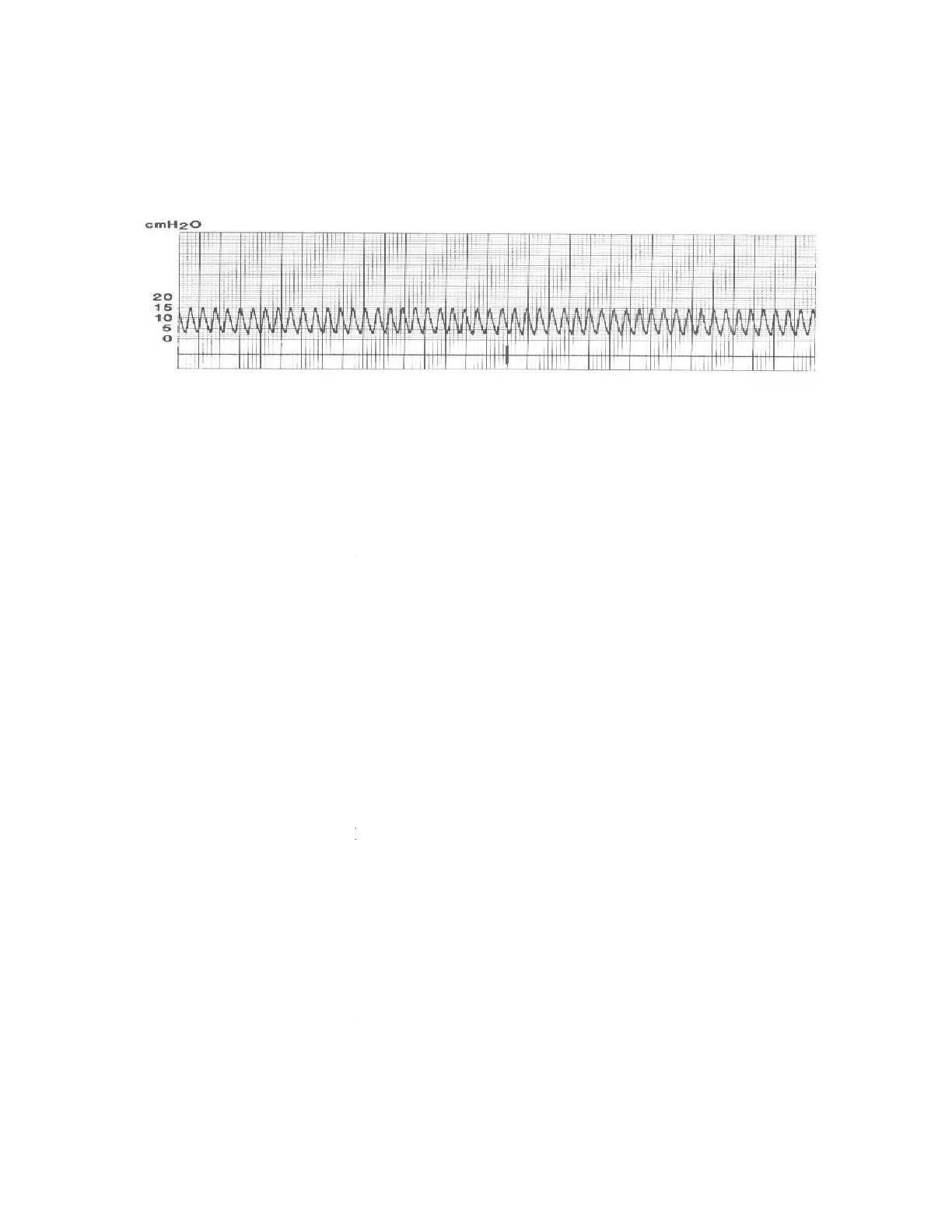
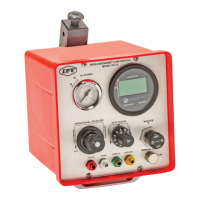
The TXP®-2D delivers high
(Approx. 3-10 Hz.)
Goals of High-Frequency
The aim of High-
•
•
Optimize lung volumes where atelectasis is a major issue.
Applicable patients
This mode can be suitable for:
•
Neonates with air leak syndromes
•
Respiratory Distress Syndrome
•
Persistent Pulmonary Hypertension o
•
Meconium Aspiration Syndrome
Important considerations
•
in the patient’s lung/thorax compliance/resistance. These changes can at times be
considerable.
• Careful mon
itoring is necessary for tracheal or ETT obstruction.
Settings
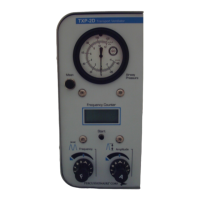
The following control knobs will be used:
•
• Amplitude
•
Mean Airway Pressure (external valve)
• O
2
conc. %
frequency, flow interrupted breaths at 200-
Optimize lung volumes where atelectasis is a major issue.
This mode can be suitable for:
Neonates with air leak syndromes
Respiratory Distress Syndrome
Persistent Pulmonary Hypertension o
f the Newborn
Meconium Aspiration Syndrome
2
and PCO
2
as these parameters vary according to changes
in the patient’s lung/thorax compliance/resistance. These changes can at times be
itoring is necessary for tracheal or ETT obstruction.
The following control knobs will be used:
Mean Airway Pressure (external valve)
8
as these parameters vary according to changes
in the patient’s lung/thorax compliance/resistance. These changes can at times be


 To Next Page