3.2 Operating principle
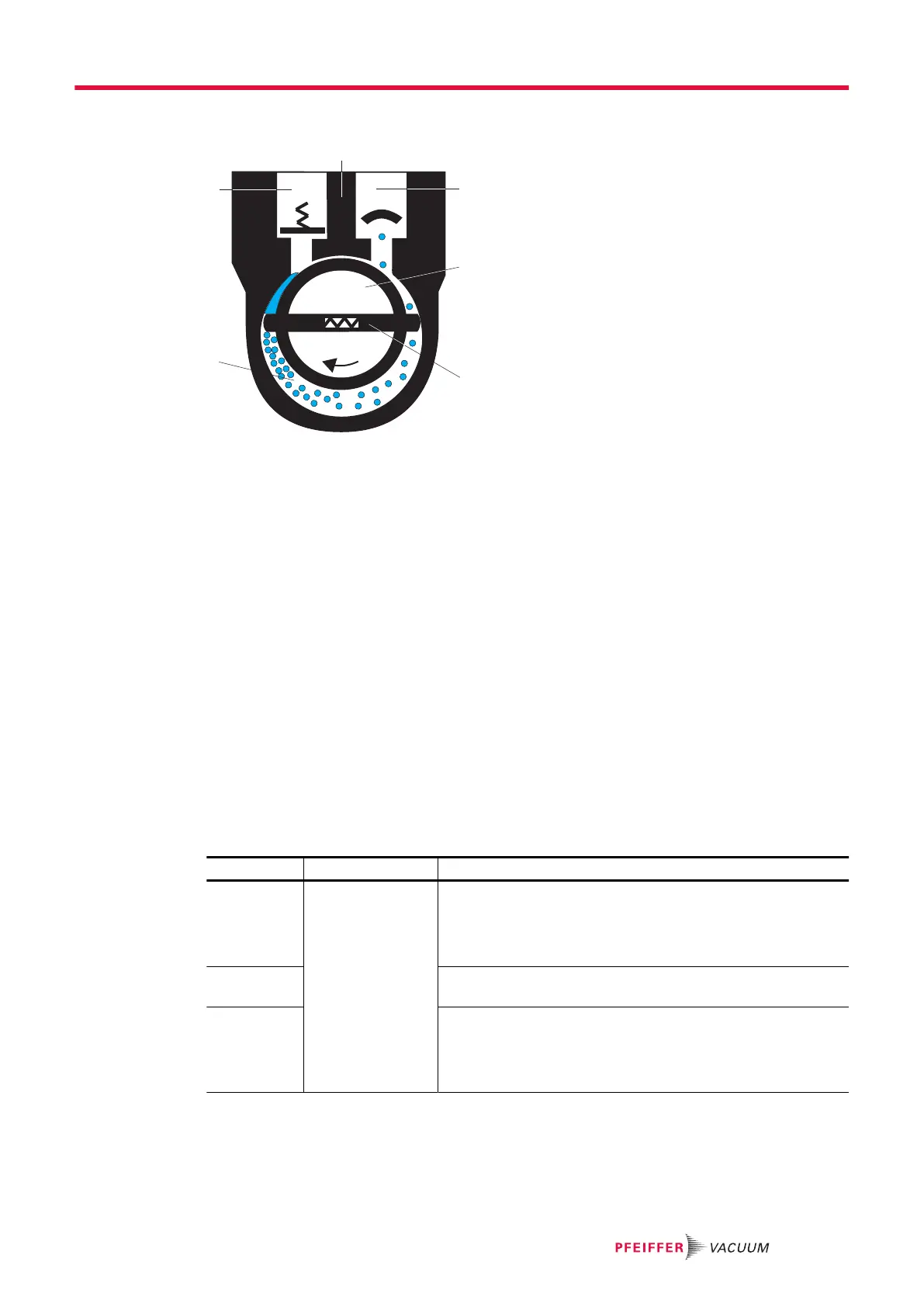
Fig. 3: Rotary vane vacuum pump functional principle
1 Housing 4 Vane
2 Vacuum flange (inlet) 5 Suction chamber
3 Rotor 6 Exhaust (outlet)
The rotary vane pump is an oil-sealed rotary displacement pump. The pumping system comprises the
housing, the eccentrically mounted rotor, and the centrifugal and spring-loaded radially sliding vanes,
which divide the suction chamber into multiple chambers. The volume of each chamber changes period-
ically as the rotor rotates. This causes the gas to be drawn in at the vacuum flange, and compressed in
the suction chamber by the rotation of the rotor until the exhaust valve opens against the atmospheric
pressure at the outlet and expels the gas. The exhaust valve is oil-sealed. When the valve opens, a
small quantity of oil penetrates into the suction chamber. In addition to lubrication, this also causes the
gaps between the rotor, stator, and vanes to seal.
3.3 Identifying the product
►
To ensure clear identification of the product when communicating with Pfeiffer Vacuum, always
keep all of the information on the rating plate to hand.
►
Observe the motor-specific data on the motor rating plate attached separately.
3.4 Product features
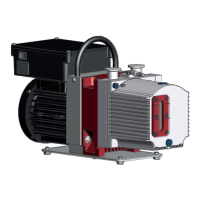
Pump type Pumping speed Characteristics
Duo 3
2.5 m
3
/h( 50 Hz)
2.9 m
3
/h( 60 Hz)
Standard version:
● Two-stage rotary vane pump
● Single-phase motor
● Gas ballast valve
● Intake side vacuum safety valve
Duo 3 M M version; differs compared to the standard version by:
● Magnetic coupling
Duo 3 MC MC version; differs compared to the standard version by:
● Operating fluid F4
● Magnetic coupling encapsulated on the pump side
● Vane material changed
● Hose connection on the gas ballast valve
Tbl. 4: Features of rotary vane pumps
Product description
19/64


 To Next Page