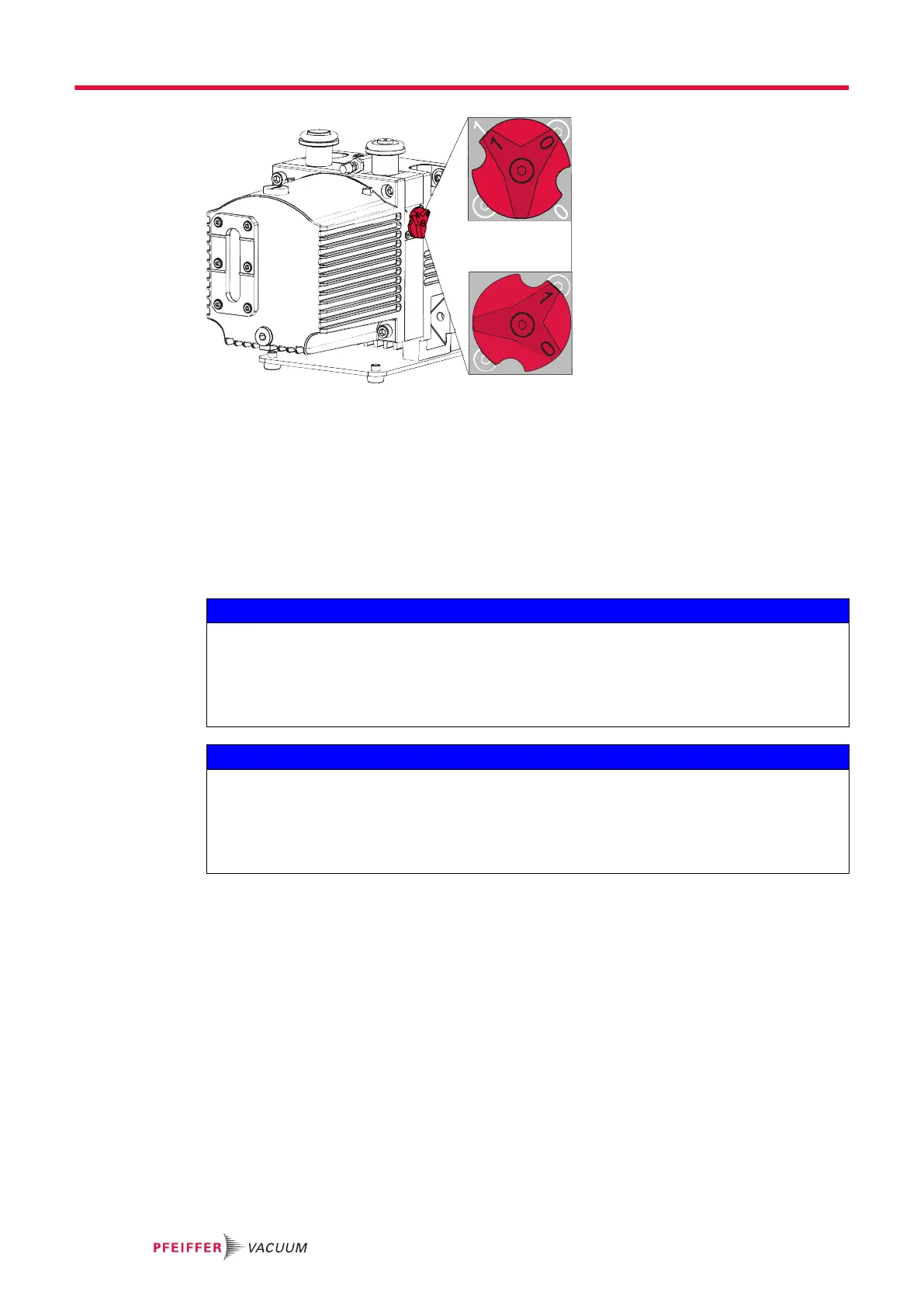
Fig. 11: Gas ballast valve - standard version
Open gas ballast valve
►
Rotate the knob on the gas ballast valve to the left to open, into position “1”.
Close gas ballast valve
►
Rotate the knob on the gas ballast valve to the right to close, into position “0”.
6.3.2 Gas ballast valve with inert gas connection
NOTICE
Property damage from impermissibly high inert gas pressure
Increased inert gas pressure compromises operational reliability of the vacuum pump, and causes an
increase in power input and operating temperature.
►
Observe the maximum permissible inert gas pressure of 1500 hPa (absolute).
►
Dose the inert gas quantity with the dosing screw on the gas ballast valve or on site.
NOTICE
Property damage due to inert gas intake during vacuum pump standstill
Continued inert gas intake after switching off the vacuum pump will expel the oil film in the pump sys-
tem, resulting in damage during restart.
►
After switching off the vacuum pump, close the supply of inert gas at the gas ballast valve or by
closing the on-site gas supply.
If you optionally use inert gas in the process, Pfeiffer Vacuum recommends using the gas ballast valve
with inert gas connection. Admission of inert gas dilutes the process gas and avoids condensation of
vapors in the vacuum pump within certain limits.
Required tools
●
Allen key, WAF 5
●
Allen key, WAF 14
●
Calibrated torque wrench (tightening factor ≤ 2.5)
Operation
32/64


 To Next Page