8
Special Cleaning Instructions for Stainless Steel Cookers:
1. If food residue adheres to the pressure cooker body, clean with a stainless
steel scouring pad, a nylon mesh pad, or a powdered cleanser without
bleach,suchasBarKeepersFriend*cleanserandpolishorCameo*
copper, brass & porcelain cleaner. Do not use steel wool or cleaners with
chlorine bleach.
Yourstainlesssteelpressurecookermayalsobewashedinadishwasher.
Whenwashinginadishwasher,youmustrstremovethesealingringand
overpressure plug from the cover as these parts must be handwashed.
2. To bring out its luster, the outside surface of your stainless steel pressure
cookercanbecleanedoccasionallywithasilverpolishoranyotherne,
non-abrasive polish.
Take care not to overheat your stainless steel pressure cooker. Very high heat can sometimes cause vari-colored stains, called
heat tints, in stainless steel. Heat tints can usually be removed by using a non-abrasive powder cleanser.
CARE AND MAINTENANCE
1. Whennotinuse,storeyourpressurecookerinadryplacewiththecoverinvertedonthebody.Ifthecoverislockedon,
unpleasant odors may form inside the unit and the sealing ring could be damaged.
2. As is the case of all cookware, avoid chopping or cutting food inside the cooker with a knife or other sharp utensil.
3. If the body or cover handles become loose, tighten them with a screwdriver. NOTICE:Overtighteningcanresultinstripping
of screws or cracking of handles.
4. Periodicallychecktheventpipenutforlooseness.Retighten,ifnecessary,usinga7/16ʺwrench.
5. Do not strike the rim of the pressure cooker with any cooking utensil because this could cause nicks in the rim which may
allow steam to escape and prevent the pressure cooker from sealing.
6. The sealing ring, the overpressure plug, and the rubber gasket for the air vent/cover lock may shrink or become hard,
deformed,cracked,worn,orpittedwithnormaluse.Exposuretohighheat,suchasawarmburneroroventop,willcause
thesepartstodeterioraterapidly.Whenthishappens,replacetheseparts.Replace the sealing ring and overpressure plug at
least every two years.
Leakage between the cover and body is usually caused by shrinkage of the sealing ring after prolonged use. Replace the
sealing ring. Whenever you replace the sealing ring, replace the overpressure plug also. Leakage may also occur if the rim
of the cooker body has been damaged (see #5 above).
7. Eachtimeyoucleanoruseyourpressurecooker,checktobesurethebottomhasnotbeendamaged.Nicksandscratches
may leave sharp edges that can damage ceramic stovetops or other smooth surfaces. Lift pressure cooker to remove it from
burner. Sliding cookware could leave scratches on stovetops.
8. Theformationofasmallamountofmoistureunderthepressureregulatorisnormalwhencookingrstbegins.Itisthe
result of the temperature of the regulator being lower than the rest of the unit.
A small amount of steam or moisture may also be visible around the overpressure plug and air vent/cover lock as cooking
begins. It should stop when pressure begins to build and the overpressure plug and air vent/cover lock seal. If leakage
continues, clean or replace the overpressure plug and/or air vent/cover lock assembly. The pressure cooker will not seal if
the gasket for the air vent/cover lock is cracked.
Do not operate your pressure cooker with continual leakage. If the preceding steps do not correct the problem, call the
Consumer Service Department at 1-800-877-0441. If unable to resolve the problem, you may be asked to return the entire
unit to the Presto Factory Service Department (see page 39).
9. Ifthepressurecookerbecomesdifculttoopenorclose,thesealingringneedstobereplaced.Ifforanyreasonthepressure
cookercannotbeopened,contacttheConsumerServiceDepartmentinEauClaire,WIat1-800-877-0441.
Any maintenance required for this product, other than normal household care and cleaning, should be performed by the
Presto Factory Service Department (see page 39).
*BarKeepersFriendisaregisteredtrademarkofSerVaasLaboratories,Inc.CameoisaregisteredtrademarkofChurch&DwightCo.,Inc.Prestoisnotafliatedwith
these companies.
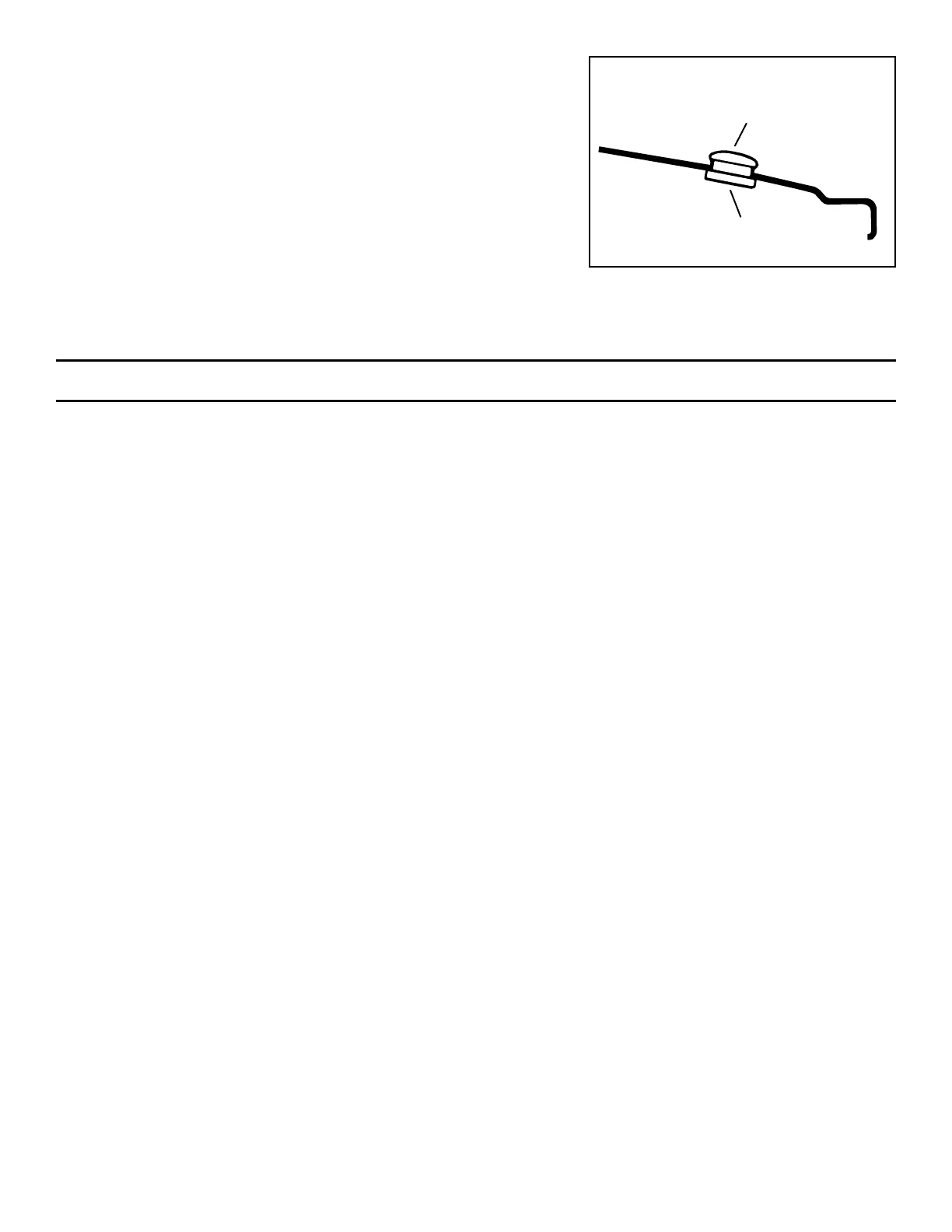
Indented Portion
OverpressurePlug
Fig. Q





 To Next Page