215
Appendix F
IVUV Detector
Introduction
The Intensified Vacuum UV Detector (IVUV), a variation of the PI-MAX detector, is
available in two types. The first type is a sealed-nose version that is backfilled with dry
nitrogen only. The second type is an open-nose version that must be purged with dry
nitrogen during operation.
Under normal conditions, the front end of the sealed-nose IVUV is sealed and backfilled
with dry nitrogen only so there is no danger of damage due to condensation. In the case
of an open-nose IVUV, however, the detector must be purged with dry nitrogen during
operation. Otherwise catastrophic damage could occur that would not be covered by the
Warranty.
Nitrogen Purging of the Detector
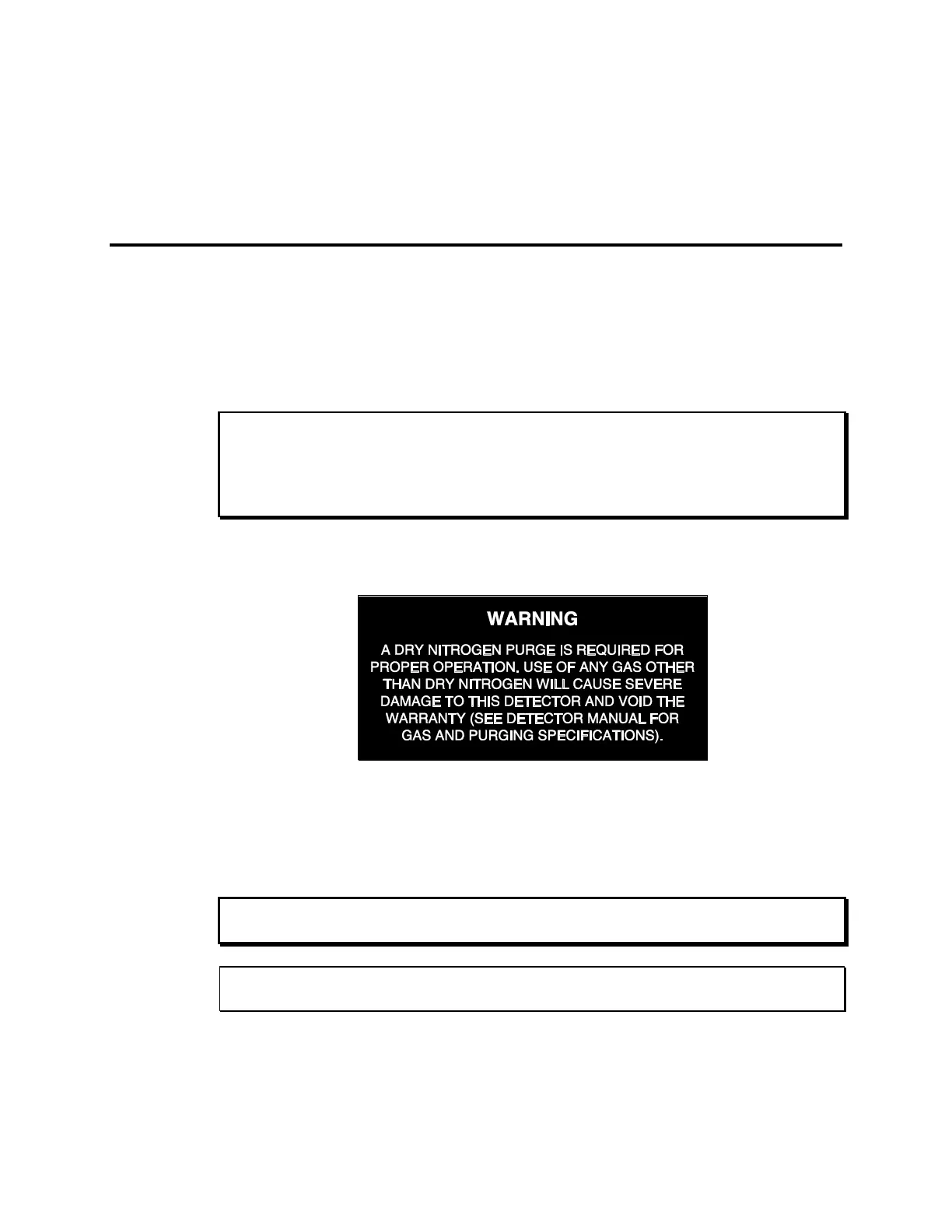
Figure 126. Camera’s Purge Warning Label
An IVUV requires continuous purging of the detector with nitrogen while operating
cooled. Even if the detector is not powered, it must be purged whenever water or other
coolant is circulating, as the possibility of condensation still exists. See Chapter 3 for
additional information concerning circulating coolant.
Never use any gas other than dry nitrogen. Noble gases, such argon or helium, have a low
breakdown voltage, which could lead to arcing that could destroy the image intensifier.
If the relative humidity in your lab is high, e.g., > 40% do not operate the open-nose
detector without purging, even if you are not cooling the detector!
Dryness Requirement
The dryness of the nitrogen is critical. The colder the detector is operated, the dryer the
gas must be. Also, the longer the detector is operated cold, the drier the gas must be.


 To Next Page