EasyManua.ls Logo

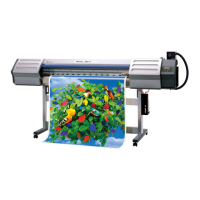
Roland SOLJET SC-500 - User Manual

Roland SOLJET SC-500
99 pages
Print Icon
To Next Page IconTo Next Page
Loading...
Thank you very much for purchasing this machine.
To ensure correct and safe usage with a full understanding of this product's perfor-
mance, please be sure to read through this manual completely and store it in a safe
location.
Unauthorized copying or transferral, in whole or in part, of this manual is prohibited.
The contents of this operation manual and the specifications of this product are
subject to change without notice.
The operation manual and the product have been prepared and tested as much as
possible. If you find any misprint or error, please inform us.
Roland DG Corp. assumes no responsibility for any direct or indirect loss or damage
which may occur through use of this product, regardless of any failure to perform on
the part of this product.
Roland DG Corp. assumes no responsibility for any direct or indirect loss or damage
which may occur with respect to any article made using this product.
USER'S MANUAL
SC-500

Table of Contents

Question and Answer IconNeed help?

Do you have a question about the Roland SOLJET SC-500 and is the answer not in the manual?

Summary

Safety Precautions and Warnings

General Safety Notices

Explains WARNING, CAUTION notices and safety symbols. Covers essential safety guidelines.

Electrical Safety

Details electrical safety measures, including grounding, power cords, and outlets.

Handling and Environment Safety

Guidelines for safe handling of ink, cleaning liquid, and environmental conditions.

Getting Started

Unpacking and Checking Accessories

Verify all included accessories and parts are present after opening the carton.

Setting Up and Connecting the Unit

Instructions for physical setup, environment, and connecting the machine to a computer.

Installing Ink Cartridges

Procedure for installing SOL INK cartridges, including initial cleaning cycles.

Machine Components and Operation

Identifying Unit Parts

Overview of the machine's components, including front, rear, and internal views.

Understanding Operating Modes

Explanation of the five operating states: NOT READY, READY, BUSY, PAUSE, and SLEEP.

Printing and Cutting Setup

Loading Material

Instructions for loading roll and flat materials for printing or cutting.

Installing and Testing the Blade

Guide on how to install a cutting blade and perform a test cut.

Configuring Print Modes and Directions

Setting printing quality, direction, and test printing parameters.

Setup for Printing and Cutting

Combined procedure for setting up both printing and cutting operations.

Data Handling and Operations

Downloading Print;Cut Data

Process of sending data from computer for printing or cutting operations.

Removing Material

Steps to remove printed or cut material from the machine.

Finishing Operations

Procedure for completing operations and preparing the machine for inactivity.

Maintenance Procedures

Ink Cartridge Management

Instructions for replacing ink cartridges and checking ink levels.

Printing Head Maintenance

Procedures for cleaning printing heads to resolve image quality issues.

Cutter Blade and Knife Replacement

Guides for replacing the cutter blade and the separating knife.

Machine Cleaning

Steps for cleaning the body, platen, rollers, and other parts of the unit.

Storage and Moving Procedures

Guidelines for proper storage and periodic maintenance when the unit is not in use.

User Reference and Adjustments

Environment Matching

Automatic adjustment to optimize printing/cutting based on environmental changes.

Adjusting Print and Cut Positions

Aligning printing and cutting positions using test patterns and correction values.

Making Printing Corrections

Correcting feed errors and adjusting bidirectional printing for image quality.

Usable Materials and Blade Life

Specifications for usable materials, their widths, and blade life guidelines.

Troubleshooting and Error Messages

Machine Not Running or Responding

Checks for power, material loading, computer connection, and drivers.

Printing or Cutting Errors

Addresses issues like drop-out, material jams, and misaligned lines.

Error Message Explanations

Details common error messages and their corresponding actions.

Technical Specifications

Machine and Material Specifications

Details on printing/cutting area, material compatibility, and physical dimensions.

Interface and Power Specifications

Information on interface standards, connectors, and power requirements.

Summary

Safety Precautions and Warnings

General Safety Notices

Explains WARNING, CAUTION notices and safety symbols. Covers essential safety guidelines.

Electrical Safety

Details electrical safety measures, including grounding, power cords, and outlets.

Handling and Environment Safety

Guidelines for safe handling of ink, cleaning liquid, and environmental conditions.

Getting Started

Unpacking and Checking Accessories

Verify all included accessories and parts are present after opening the carton.

Setting Up and Connecting the Unit

Instructions for physical setup, environment, and connecting the machine to a computer.

Installing Ink Cartridges

Procedure for installing SOL INK cartridges, including initial cleaning cycles.

Machine Components and Operation

Identifying Unit Parts

Overview of the machine's components, including front, rear, and internal views.

Understanding Operating Modes

Explanation of the five operating states: NOT READY, READY, BUSY, PAUSE, and SLEEP.

Printing and Cutting Setup

Loading Material

Instructions for loading roll and flat materials for printing or cutting.

Installing and Testing the Blade

Guide on how to install a cutting blade and perform a test cut.

Configuring Print Modes and Directions

Setting printing quality, direction, and test printing parameters.

Setup for Printing and Cutting

Combined procedure for setting up both printing and cutting operations.

Data Handling and Operations

Downloading Print;Cut Data

Process of sending data from computer for printing or cutting operations.

Removing Material

Steps to remove printed or cut material from the machine.

Finishing Operations

Procedure for completing operations and preparing the machine for inactivity.

Maintenance Procedures

Ink Cartridge Management

Instructions for replacing ink cartridges and checking ink levels.

Printing Head Maintenance

Procedures for cleaning printing heads to resolve image quality issues.

Cutter Blade and Knife Replacement

Guides for replacing the cutter blade and the separating knife.

Machine Cleaning

Steps for cleaning the body, platen, rollers, and other parts of the unit.

Storage and Moving Procedures

Guidelines for proper storage and periodic maintenance when the unit is not in use.

User Reference and Adjustments

Environment Matching

Automatic adjustment to optimize printing/cutting based on environmental changes.

Adjusting Print and Cut Positions

Aligning printing and cutting positions using test patterns and correction values.

Making Printing Corrections

Correcting feed errors and adjusting bidirectional printing for image quality.

Usable Materials and Blade Life

Specifications for usable materials, their widths, and blade life guidelines.

Troubleshooting and Error Messages

Machine Not Running or Responding

Checks for power, material loading, computer connection, and drivers.

Printing or Cutting Errors

Addresses issues like drop-out, material jams, and misaligned lines.

Error Message Explanations

Details common error messages and their corresponding actions.

Technical Specifications

Machine and Material Specifications

Details on printing/cutting area, material compatibility, and physical dimensions.

Interface and Power Specifications

Information on interface standards, connectors, and power requirements.

Roland SOLJET SC-500 Specifications

General IconGeneral
Ink TypeEco-Solvent
Number of Colors4 (CMYK)
Print TechnologyPiezo inkjet
Print ResolutionUp to 1440 dpi
Media TypesVinyl, banner, canvas
Weight150 kg
TechnologyInkjet

Related product manuals