EasyManua.ls Logo

Samson 3271 - User Manual

Samson 3271
88 pages
Print Icon
To Next Page IconTo Next Page
Loading...
Translation of original instructions
EB 8026 EN
Edition April 2024
Type3244 Valve · DIN and ANSI versions
In combination with an actuator,
e.g. a Type3271 or Type3277 Pneumatic Actuator
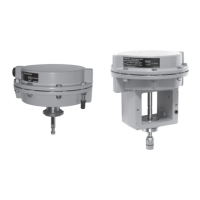
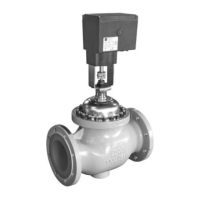
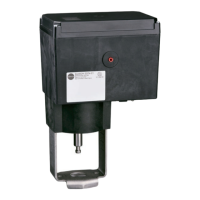
Type3244 Valve with Type3271 Actuator (left) and Type3277 Actuator (right)

Other manuals for Samson 3271

Questions and Answers

  • J
    jeffreywiseAug 18, 2025
    Why doesn't the actuator stem move on demand in my Samson 3271 Controller?
    • K
      Katelyn KochAug 18, 2025
      The actuator stem might not move due to several reasons. It could be blocked; check the attachment and remove any blockage, remembering to disconnect and lock the pneumatic air supply and control signal before unblocking, and release any stored energy in the actuator. Insufficient signal pressure is another possibility; in this case, check the signal pressure and the signal pressure line for leakage. Also, the signal pressure might not be connected to the correct diaphragm chamber. Finally, the diaphragm in the actuator might be defective.
  • J
    jenniferkellyAug 20, 2025
    What to do if the actuator stem doesn't stroke fully in my Samson 3271 Controller?
    • A
      Alyssa TranAug 20, 2025
      If the actuator stem isn't stroking through its complete travel range, first check if the travel stop is active. Then, verify the signal pressure and check the signal pressure line for any leaks. Finally, examine the settings of the valve accessories, first checking the actuator without valve accessories.
  • M
    Melissa HawkinsAug 22, 2025
    Why is my Samson Control Unit valve leaking to the atmosphere?
    • M
      Ms. Rebecca KingAug 23, 2025
      The valve might be leaking due to several reasons: * Defective packing: Consider replacing the packing. * Adjustable packing not tightened correctly: Ensure the packing is tightened correctly. * Loose flanged joints or worn-out body gaskets: Check the flanged joints and replace the gaskets if necessary. * Bellows seal defective: If your unit has a bellows seal, it might be defective.
  • C
    Carol SmithAug 26, 2025
    What to do if there is increased flow through my closed Samson Control Unit valve?
    • L
      Lisa StarkAug 26, 2025
      If you observe increased flow through a closed valve, it could be due to: * Dirt or foreign particles: Shut off the pipeline section and flush the valve to remove any deposits between the seat and plug.
  • J
    Jasmine RodriguezAug 28, 2025
    Why doesn't the actuator and plug stem stroke through the full range on my Samson Control Unit?
    • K
      Kayla CalhounAug 28, 2025
      The actuator and plug stem might not stroke fully due to: * Signal pressure too low: Check the signal pressure and inspect the signal pressure line for leaks. * Incorrect setting of valve accessories: Verify the settings of the valve accessories.
  • W
    Wanda StokesAug 30, 2025
    How to troubleshoot an actuator that doesn't move on demand in a Samson Control Unit?
    • T
      Tamara NicholsAug 30, 2025
      If the actuator and plug stem do not move on demand, consider the following: * Actuator blockage: Put the control valve out of operation and remove the blockage. * Signal pressure too low: Check the signal pressure and the signal pressure line for leakage.
  • M
    Ms. Rebecca JarvisSep 1, 2025
    What causes jolting movement of the actuator and plug stem in a Samson Control Unit?
    • J
      Jesse Webb PhDSep 1, 2025
      If you experience jolting movement, it might be because the packing is tightened too far. Tighten the packing correctly.
  • A
    Anthony ThompsonSep 4, 2025
    What to do if there is increased flow through closed Samson Control Unit valve?
    • J
      James WhiteSep 4, 2025
      If you observe increased flow through a closed valve, it could be due to dirt or foreign particles deposited between the seat and plug. Try shutting off the section of the pipeline and flushing the valve. Another reason could be worn valve trim, especially with a soft seat. In this case, replace the seat and plug.
  • P
    Phyllis WardSep 6, 2025
    How to troubleshoot a Samson Control Unit actuator that doesn't move on demand?
    • A
      Amy CooleySep 7, 2025
      If the actuator and plug stem do not move on demand, the actuator might be blocked; check the attachment and unblock it. Another cause may be that the signal pressure is too low; check the signal pressure and the signal pressure line for leakage. A defective diaphragm in the actuator could also be the cause.
  • J
    Joanna JacobsSep 9, 2025
    Why Samson Control Unit actuator doesn't stroke through the entire range?
    • T
      tdunnSep 9, 2025
      If the actuator and plug stem do not stroke through the entire range, this could be due to several reasons. The signal pressure might be too low, so check the signal pressure and the signal pressure line for leakage. It may also be that the travel stop is active, or the valve accessories are incorrectly set; in that case check the settings of the valve accessories.

Summary

Safety Instructions and Measures

1.1 Notes on Possible Severe Personal Injury

Details risks from pressure, temperature, noise, moving parts, springs, and residual medium.

1.2 Notes on Possible Personal Injury

Covers risks from exhaust air, crushing, preloaded springs, and residual medium.

1.3 Notes on Possible Property Damage

Details risks of contamination, unsuitable media, improper torquing, tools, and lubricants.

1.4 Warnings on the Device

Explains warning symbols and their meaning regarding moving parts on the device.

Markings on the Device

2.1 Valve Nameplate

Details the inscriptions and their meanings found on the valve nameplate.

2.2 Actuator Nameplate

Refers to associated documentation for actuator nameplate details.

2.3 Material Identification Number

Explains how to identify materials using item numbers and seat codes.

2.4 Label for Adjustable Packing

Describes the instructional label for valves with adjustable packing.

Design and Principle of Operation

3.1 Versions

Details valve versions (insulation, bellows) and actuator compatibility.

3.2 Additional Fittings

Recommends fittings like strainers and bypass valves for optimal performance.

3.3 Valve Accessories

Lists optional accessories available for the valve.

3.4 Technical Data

Provides temperature ranges, noise emissions, and conformity marks.

Shipment and On-Site Transport

4.1 Accepting Delivered Goods

Steps for checking scope, damage, and specifications upon delivery.

4.2 Removing Packaging

Instructions on when and how to remove protective packaging.

4.3 Transporting and Lifting the Valve

Safety precautions and methods for moving and lifting the valve assembly.

4.4 Storing the Valve Safely

Guidelines for proper storage conditions, temperature, and elastomer care.

Installation

5.1 Installation Conditions

Requirements for valve installation site, work position, and pipeline routing.

5.2 Preparation for Installation

Checks for valve cleanliness, condition, nameplate data, and pipeline readiness.

5.3 Mounting the Device

Steps for assembling the actuator to the valve and handling V-port plugs.

5.4 Installing the Valve into the Pipeline

Procedures for closing shut-off valves, preparing the pipeline, and bolting.

5.5 Testing the Installed Valve

Steps for leak tests, travel motion checks, fail-safe position, and pressure tests.

Start-up

Pre-Start-up Checks

Verifies proper installation, leak/function tests, and prevailing conditions.

Start-up Procedure

Steps for bringing the valve back into operation, including temperature adjustment.

Operation

7.1 Normal Operation

Guidelines for normal valve operation and handwheel position.

7.2 Manual Operation

Instructions for manual valve control during supply air failure.

Malfunctions

8.1 Troubleshooting

Identifies common malfunctions, their possible causes, and recommended actions.

8.2 Emergency Action

Procedures for responding to valve malfunctions and returning to service.

Servicing

9.1 Periodic Testing

Guidelines for regular checks to prevent potential failures and ensure performance.

9.2 Service Work Preparations

Steps for preparing the valve and tools before performing service work.

9.4.1 Replacing the Gasket

Detailed instructions for replacing gaskets in different valve versions.

9.4.2 Replacing the Packing

Step-by-step guide for replacing standard and ADSEAL packing.

9.4.3 Replacing the Seat and Plug

Guidance on replacing seat and plug, advising to contact after-sales service.

9.5 Ordering Spare Parts and Supplies

Information on how to order spare parts, lubricants, and tools.

Decommissioning

Decommissioning for Service or Removal

Steps to safely take the valve out of operation for maintenance or removal.

Removal

11.1 Removing the Valve from the Pipeline

Procedures for detaching the valve from the pipeline.

11.2 Removing the Actuator from the Valve

Refers to associated actuator documentation for removal instructions.

Repairs

12.1 Returning Devices to SAMSON

Steps for returning defective devices for service or exchange.

Disposal

Disposal Regulations and Procedures

Guidelines for observing local regulations and proper waste disposal.

Certificates

EU Declarations of Conformity

Lists EU conformity declarations for pressure and machinery directives.

UK Declarations of Conformity

Lists UK conformity declarations for pressure equipment and machinery.

Appendix

15.1 Tightening Torques, Lubricants, and Tools

Refers to document AB 0100 for essential tools and consumables.

15.2 Spare Parts List

Provides a list of spare parts with corresponding numbers.

15.3 After-Sales Service Information

Contact details and required specifications for after-sales support.

15.4 Information on the UK Sales Region

Details for the UK importer and compliance with specific UK regulations.

Samson 3271 Specifications

General IconGeneral
Keys32
Velocity SensitivityYes
AftertouchNo
Pitch BendYes
Modulation WheelYes
MIDI I/OUSB

Related product manuals