EasyManua.ls Logo

Samson 3374 - User Manual

Samson 3374
104 pages
Print Icon
To Next Page IconTo Next Page
Loading...
Translation of original instructions
EB 3018 EN
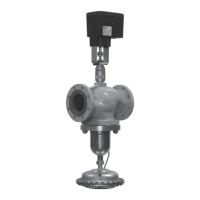
Type42-36E Pressure-independent Control Valve (PICV)
With Type5827 or Type3374 Electric Actuator
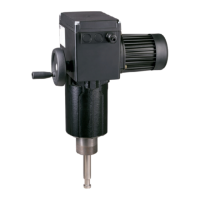
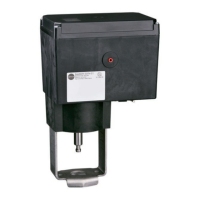
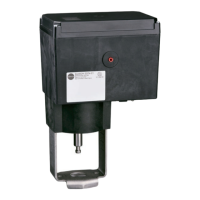
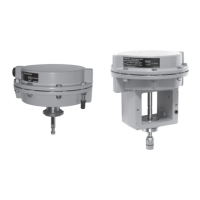
Type42-36E with Type5827 Actuator Type42-36E with Type3374 Actuator
Edition October 2023

Table of Contents

Other manuals for Samson 3374

Questions and Answers

  • M
    Michael MillerAug 20, 2025
    What to do if my Samson 3374 Controller actuator does not control the valve position?
    • M
      Michael GilesAug 20, 2025
      If the Samson Controller actuator isn't controlling the valve position, it might be because the actuator wasn't initialized properly during start-up, or the mounting has been changed. You should initialize the actuator and take corrective action according to the error code (see Chapter 9.2).
  • K
    kevin22Aug 22, 2025
    Why is the actuator stem on my Samson Controller not moving?
    • K
      Kathleen CooperAug 22, 2025
      The actuator stem on your Samson Controller might not be moving due to a blockage in the actuator attachment, or because there's no or incorrect supply voltage connected. Check the attachment and remove any blockage. Also, verify the supply voltage and connections.
  • L
    Linda KellerAug 25, 2025
    What to do if the Samson Control Unit valve leaks to the atmosphere?
    • M
      Morgan MasonAug 25, 2025
      If the Samson Control Unit valve leaks to the atmosphere, it could be due to a defective plug stem seal or a loose flanged joint with a worn-out gasket. You should check the flanged joint. For a defective plug stem seal, it is recommended to contact our after-sales service.
  • S
    Spencer HammondAug 26, 2025
    Why does the Samson Control Unit actuator and plug stem not move on demand?
    • J
      James KimAug 27, 2025
      If the actuator and plug stem of your Samson Control Unit do not move on demand, it could be because the actuator is blocked or there's no or incorrect supply voltage connected. Check the attachment and remove any blockage. Also, check the supply voltage and connections.
  • S
    shughesAug 28, 2025
    What to do if there is increased flow through closed Samson Control Unit valve?
    • M
      Michael LindseyAug 28, 2025
      If you observe increased flow through a closed Samson Control Unit valve, it might be caused by dirt or foreign particles between the seat and plug, or the valve trim could be worn out. To resolve this, shut off the section of the pipeline and flush the valve. If the valve trim is worn, contact our after-sales service.
  • D
    Donald BartonAug 30, 2025
    Why actuator and plug stem does not stroke through the full range in Samson Control Unit?
    • L
      Lori ReyesAug 30, 2025
      If the actuator and plug stem of your Samson Control Unit don't stroke through the full range, the cause may be no or incorrect supply voltage connected. Ensure that you check the supply voltage and connections.
  • M
    Michael BensonAug 31, 2025
    What to do if flow rate exceeds adjusted set point on Samson Control Unit?
    • J
      Jeremy Wood IIAug 31, 2025
      If the flow rate exceeds the adjusted set point on your Samson Control Unit, it could be due to several reasons. First, check for insufficient pressure pulses on the operating diaphragm and clean the control line and screw fittings. Foreign particles might be blocking the plug; if so, remove them and replace any damaged parts. The seat and plug could be worn or leaking, requiring replacement. Also, the valve might be too large or too small for the control task, so check the sizing and change the K /C coefficient if necessary, or install a different sized regulator. Finally, a defective operating diaphragm can cause this issue, so replace it if damaged.
  • F
    Felicia EvansSep 4, 2025
    Why does flow rate fluctuate on Samson Control Unit?
    • L
      Leslie GardnerSep 4, 2025
      If the flow rate fluctuates in your Samson Control Unit, it might be because the regulator or K /C coefficient is too large. To solve this, check the sizing and change the K /C coefficient if necessary, or install a different sized regulator. Another possible cause is that the restriction in the control line for pressure tapping is too large or missing. In this case, install a restriction or install a smaller restriction.
  • V
    Vickie RodriguezSep 6, 2025
    How to fix slow control response on Samson Control Unit?
    • T
      Tracy RobinsonSep 6, 2025
      If you are experiencing slow control response with your Samson Control Unit, it could be due to a restriction in the screw joint of the actuator being dirty or too small. Try cleaning the screw joint or installing a larger one. Another cause could be dirt in the control line, so make sure to clean the control line.
  • R
    Richard NormanSep 8, 2025
    What to do if there is leakage at the actuator of Samson Control Unit?
    • D
      Dean ConleySep 8, 2025
      If you notice leakage at the actuator of your Samson Control Unit, the operating diaphragm might be defective. Replace the damaged diaphragm to resolve this issue.

Summary

Safety Instructions and Measures

Notes on Possible Severe Personal Injury

Details hazards and precautions related to severe personal injury, including bursting and electric shock risks.

Notes on Possible Personal Injury

Outlines potential risks such as hearing loss, burn injuries, and injury from pressurized components.

Notes on Possible Property Damage

Describes potential risks of property damage due to incorrect handling, contamination, or unsuitable lubricants.

Markings on the Device

Nameplate on Valve and Actuator

Details the information presented on the nameplates affixed to the valve and actuator.

Nameplate of the Electric Actuator

Describes the nameplate specifications for the electric actuator component.

Location of the Nameplates

Illustrates the physical locations of nameplates on the regulator components.

Material Identification Number

Explains how to identify material numbers for valve, actuator, and electric actuator.

Design and Principle of Operation

Additional Fittings

Discusses recommended additional fittings like pressure gauges, shut-off valves, and bypass lines.

Technical Data

Provides key technical specifications for the control valve, including pressure, temperature, and flow rates.

Shipment and On-site Transport

Accepting the Delivered Goods

Instructions for checking the scope of delivery and identifying transport damage.

Removing the Packaging from the Regulator

Guidance on safely removing packaging and protective caps before installation.

Transporting and Lifting the Regulator

Details safe procedures and precautions for transporting and lifting the regulator.

Storing the Regulator

Provides instructions and conditions for proper storage of the regulator, including elastomer care.

Installation

Installation Conditions

Specifies requirements for work position, pipeline routing, and environmental considerations.

Preparation for Installation

Outlines necessary steps and checks before installing the regulator, including pipeline flushing.

Installation

Step-by-step guide for mounting the valve, actuator, and control line, including tightening torques.

Testing the Regulator

Procedures for leak testing and pressure testing the installed regulator.

Insulation

Guidance on insulating the regulator and associated piping for thermal control.

Start-up

Start-up and Putting the Device Back into Operation

Steps to follow for initial startup or restarting the device after maintenance.

Starting up the Plant

Instructions for safely starting the entire plant system with the regulator.

Operation

Set Point Adjustment

Explains how to adjust the flow rate set point using the restriction mechanism.

Adjusting the Flow Rate

Detailed procedure for adjusting the flow rate for different valve and actuator sizes.

Malfunctions

Troubleshooting

Lists common malfunctions, their possible causes, and recommended corrective actions.

Emergency Action

Procedures for emergency situations, including handling malfunctions and returning to operation.

Servicing

Preparing the Valve for Service Work

Steps to prepare the valve before performing maintenance or service tasks.

Service Work

Overview of service tasks, including component replacement procedures.

Ordering Spare Parts and Operating Supplies

Information on how to order spare parts, lubricants, and tools from SAMSON.

Decommissioning

Removal

Removing the Actuator from the Valve

Procedure for detaching the actuator from the valve body.

Removing the Regulator from the Pipeline

Steps for safely separating the regulator from the pipeline.

Repairs

Returning Devices to SAMSON

Instructions for returning defective devices to SAMSON for repair.

Disposal

Certificates

Information on the UK Sales Region

Details relevant to the UK market, including importer information and conformity declarations.

Annex

Tightening Torques

Lists specified torque values for various components during assembly and servicing.

Spare Parts

Information and diagrams for identifying and ordering spare parts for the valve.

After-sales Service

Contact information and required details for SAMSON's after-sales support.

Samson 3374 Specifications

General IconGeneral
ConnectivityUSB
Velocity SensitivityYes
AftertouchNo
Pitch BendYes
Modulation WheelYes
MIDI OutNo
Pedal InputYes
CompatibilityMac, PC

Related product manuals