EasyManua.ls Logo

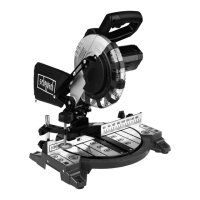
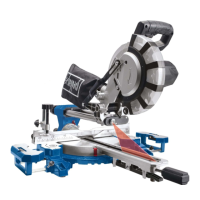
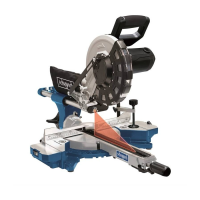
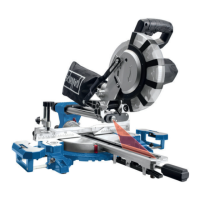
Scheppach HM216 - User Manual

Scheppach HM216
128 pages
Go to English
Print Icon
To Next Page IconTo Next Page
Loading...
Nachdrucke, auch auszugsweise, bedürfen der Genehmigung.
Technische Änderungen vorbehalten. Abbildungen beispielhaft!
Art.Nr.
5901215903
AusgabeNr.
5901215903_0101
Rev.Nr.
03/12/2021
DE
Kapp-, Zug- und Gehrungssäge
Originalbedienungsanleitung
6
GB
Sliding cross-cut mitre saw
Translation of original instruction manual
25
FR
Scie à onglet radiale
Traduction des instructions d’origine
40
IT
Sega troncatrice, a trazione e per tagli obliqui
Traduzione delle istruzioni per l‘uso originali
57
NL
Afkort-, trek- en verstekzaag
Vertaling van de originele gebruikshandleiding
73
ES
Sierra tronzadora, de tracción y de cortar ingletes
Traducción del manual de instrucciones original
90
PT
Serra de esquadria, de traçar e angular
Tradução do manual de operação original
107
HM216

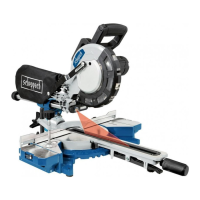
Table of Contents

Other manuals for Scheppach HM216

Questions and Answers

  • R
    Randall KnappSep 3, 2025
    Why doesn't my Scheppach Saw motor reach its full power?
    • C
      Christopher BrownSep 3, 2025
      The motor of your Scheppach Saw might not reach its full power because the circuits in the network are overloaded by other equipment or motors. Avoid using other equipment or motors on the same circuit.
  • M
    Mallory LiuSep 1, 2025
    What to do if my Scheppach Saw motor does not work?
    • S
      stephanie37Sep 2, 2025
      If the motor of your Scheppach Saw isn't working, it could be due to a defective motor, cable, or plug, or burnt fuses. Have a specialist inspect the machine. Important! Check the fuses and replace them if needed.
  • K
    Kevin JonesAug 31, 2025
    Why does my Scheppach HM216 motor overheat easily?
    • J
      josephdeannaAug 31, 2025
      Your Scheppach Saw motor may overheat due to overloading or insufficient cooling. To resolve this, avoid overloading the motor during cutting. Also, remove dust from the motor to ensure optimal cooling.
  • S
    Shaun WaltonAug 29, 2025
    How to fix Scheppach HM216 when the motor does not work?
    • S
      Stephen RodriguezAug 29, 2025
      If the motor of your Scheppach Saw does not work, it could be due to a defective motor, cable, or plug, or burnt fuses. Arrange for a specialist to inspect the machine. Check the fuses and replace them if necessary.
  • S
    Steven BarkerAug 27, 2025
    Why Scheppach Saw motor makes excessive noise?
    • H
      henrygibsonAug 28, 2025
      If the Scheppach Saw motor makes excessive noise, it may be due to damaged coils or a defective motor. Arrange for a specialist to inspect the motor.
  • K
    Kenneth HarrisonAug 26, 2025
    What to do if Scheppach HM216 motor starts up slowly?
    • B
      Brooke WhiteAug 26, 2025
      If the Scheppach Saw motor starts up slowly and does not reach operating speed, the voltage may be too low, the coils may be damaged, or the capacitor may be burnt. Contact the utility provider to check the voltage. Arrange for a specialist to inspect the motor and replace the capacitor.
  • P
    Paul SchmittAug 25, 2025
    What to do if the Scheppach HM216 Saw motor does not reach its full power?
    • S
      sanchezangelaAug 25, 2025
      If the motor of your Scheppach Saw does not reach its full power, it might be because the circuits in the network are overloaded. Avoid using other equipment or motors on the same circuit.
  • S
    Shawn StoneAug 22, 2025
    Why is the saw cut rough or wavy with my Scheppach Saw?
    • W
      Wendy SloanAug 22, 2025
      If the saw cut is rough or wavy when using your Scheppach Saw, it may be due to a dull saw blade or a tooth shape that isn't appropriate for the material thickness. To resolve this, try re-sharpening the saw blade or using a more suitable blade.

Summary

Explanation of the Symbols on the Equipment

Symbol Meanings

Visual indicators and their operational significance.

Introduction and Device Description

Manufacturer Information and Introduction

Details about the manufacturer and the purpose of the manual.

Component Identification

Listing and identifying parts of the machine based on figures.

Scope, Use, and General Safety

Scope of Delivery and Intended Use

What's included and the machine's designed purpose.

General Power Tool Safety Guidelines

Essential safety practices for all power tools.

Workplace and Personal Safety

Guidelines for a safe work area and operator protection.

Electrical Safety and Tool Usage

Electric Safety Precautions

Safety rules related to electrical connections and usage.

Power Tool Usage and Treatment

Proper handling, maintenance, and care of the power tool.

Specific Safety and Service Instructions

Safety for Mitre Saws and Service

Specific safety rules for mitre saws and maintenance aspects.

Residual Risks and Handling Precautions

Understanding remaining hazards and protective measures.

Saw Blade Safety and Laser Guide

Saw Blade Handling Safety

Guidelines for selecting, using, and maintaining saw blades.

Laser Guide System Operation

Information on the laser's function and safety.

Technical Data and Noise Information

Technical Specifications

Key technical data of the machine including power and dimensions.

Noise Emission Information

Details on sound pressure and power levels, and required protection.

Pre-Operation Checks and Setup

Before Starting the Equipment

Unpacking, checking delivery, and initial setup steps.

Securing the Machine

Instructions on how to securely mount the saw.

Attachment and Basic Operation

Attaching Saw Components

How to attach and secure parts like clamping devices.

Setting Up for 90° Crosscuts

Adjusting stops and guards for precise 90-degree cuts.

Performing Basic Crosscuts

Step-by-step guide for executing 90° crosscuts.

Advanced Cutting Operations

Performing Angled Crosscuts

How to set up and execute crosscuts with turntable angles.

Performing Mitre Cuts

Adjusting the head for mitre cuts and setting stops.

Performing Double Mitre Cuts

Performing cuts with both angled head and turntable.

Depth Control, Sawdust, and Blade Changes

Adjusting Cutting Depth

Setting the maximum depth of cut for specific tasks.

Sawdust Extraction and Management

Connecting dust extractors and using the sawdust bag.

Changing the Saw Blade

Detailed procedure for replacing the saw blade safely.

Laser Guide, Transport, and Maintenance

Using and Adjusting the Laser Guide

Operating and calibrating the laser for precise cutting lines.

Transporting the Equipment

Steps for safely moving the machine.

Routine Maintenance and Cleaning

General care, cleaning guards, and replacing table inserts.

Storage, Electrical Connection, and Disposal

Storage Recommendations

Guidelines for storing the tool to ensure longevity.

Electrical Connection Requirements

Compliance with standards for power supply and extension cords.

Proper Disposal and Recycling

Proper procedures for environmentally friendly disposal.

Troubleshooting

Fault Diagnosis and Remedies

Identifying common issues and their solutions.

Scheppach HM216 Specifications

General IconGeneral
Motor Power2000 W
Blade Diameter216 mm
Blade Bore30 mm
No-load Speed5000 rpm
Bevel Angle45° left
Max Cutting Depth at 90°65 mm
Weight12.5 kg
TypeSliding Compound Mitre Saw

Videos

How to Change the Blade on Your Scheppach HM216 Saw Easily

Related product manuals