EasyManua.ls Logo

Schumacher FR01240 - User Manual

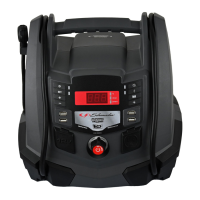
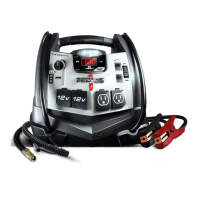
Schumacher FR01240
7 pages
Print Icon
To Next Page IconTo Next Page
Loading...
CONTAINS SEALED, NON-SPILLABLE LEAD-ACID BATTERY. MUST BE DISPOSED OF PROPERLY.
WARNING: Possible explosion hazard. Contact with battery acid may cause severe burns and
blindness. Keep out of reach of children.
1. IMPORTANT SAFETY INSTRUCTIONS – SAVE THESE INSTRUCTIONS.
WARNING: RISK OF EXPLOSIVE GASES.
WORKING IN THE VICINITY OF A LEAD-ACID BATTERY IS DANGEROUS. BATTERIES GENERATE
EXPLOSIVE GASES DURING NORMAL OPERATION. IT IS IMPORTANT THAT YOU FOLLOW
THESE INSTRUCTIONS EACH TIME YOU USE THE UNIT.
To reduce the risk of battery explosion, follow these instructions and those published by the battery
manufacturer and the manufacturer of any equipment you intend to use in the vicinity of a battery.
Review cautionary markings on these products and on the engine.
WARNING! RISK OF ELECTRIC SHOCK OR FIRE.
1.1 Keep out of reach of children.
1.2 Do not disassemble the jump starter. Take it to a qualied service professional if service or repair is
required. Incorrect assembly may result in re or electrical shock.
1.3 Do not use the jump starter to jump a vehicle while charging the internal battery.
1.4 Do not recharge the jump starter with a damaged extension cord.
1.5 The jump starter gets hot during charging and must have proper ventilation.
1.6 Do not set the jump starter on ammable materials, such as carpeting, upholstery, paper, cardboard, etc.
1.7 Place the jump starter as far away from the battery being jumped as the cables will permit.
1.8 Do not expose the jump starter to rain or snow.
1.9 Never attempt to jump start a frozen battery.
1.10 Never place the jump starter directly above battery being jumped.
1.11 To prevent arcing, never allow the clamps to touch together or to contact the same piece of metal.
1.12 Use of an attachment not recommended or sold by the jump starter manufacturer may result in damage
to the unit or personal injury.
1.13 Never operate the jump starter if it is damaged.
For the manual with Spanish
visit www.batterychargers.com or call 1-800-621-5485.
Para obtener el manual en español,
visite www.batterychargers.com o llame al 1-800-621-5485.
Jump Starter and DC Power Source
OWNERS MANUAL
PLEASE SAVE THIS OWNERS MANUAL AND READ BEFORE EACH USE.
This manual will explain how to use the jump starter safely and effectively. Please
read and follow these instructions and precautions carefully.
0099002106-02
FOR MODELS
BE01254
FR01240
SJ1330
SJ1331
SJ1426
SPR1630

Questions and Answers

Summary

Important Safety Instructions

General Safety Precautions

Covers warnings about explosive gases, electric shock, fire hazards, and safe operation practices for jump starters.

Personal Safety Precautions

Handling Lead-Acid Batteries Safely

Guidelines for eye protection, protective clothing, and immediate first aid for battery acid exposure.

Jump Starter Features

Overview of Jump Starter Components

Identifies and describes key components of the jump starter, including lights, ports, switches, and compressor parts.

Charging the Internal Battery

Checking Internal Battery Charge Level

Instructions on how to check the jump starter's internal battery charge status using LED indicators.

Charging via Extension Cord

Procedure for charging the internal battery using a 120VAC outlet and an extension cord.

Charging While Driving

Method for charging the internal battery using a vehicle's 12V DC accessory outlet, with important precautions.

Operating Instructions

Jump Starting a Vehicle

Step-by-step guide for safely jump starting a vehicle, including clamp connections and engine cranking.

Using the USB Port

Instructions for powering devices via the 5V DC USB port, including connection and charging.

Using the Work Light

Guidance on operating the built-in work light, including placement and power management.

Powering a 12 V DC Device

How to use the unit as a power source for 12V DC accessories and estimated run-times.

Using the Air Compressor

Instructions for using the air compressor feature, including inflation, pressure monitoring, and cooling.

Maintenance Instructions

General Maintenance Procedures

Steps for cleaning, inspecting, and maintaining the jump starter components for optimal performance.

Moving and Storage Instructions

Safe Moving and Storage Guidelines

Recommendations for storing the unit in a cool, dry place and handling clips to prevent accidental arcing.

Troubleshooting

Replacement Parts and Accessories

Before Returning for Repairs

Limited Warranty Information

Summary

Important Safety Instructions

General Safety Precautions

Covers warnings about explosive gases, electric shock, fire hazards, and safe operation practices for jump starters.

Personal Safety Precautions

Handling Lead-Acid Batteries Safely

Guidelines for eye protection, protective clothing, and immediate first aid for battery acid exposure.

Jump Starter Features

Overview of Jump Starter Components

Identifies and describes key components of the jump starter, including lights, ports, switches, and compressor parts.

Charging the Internal Battery

Checking Internal Battery Charge Level

Instructions on how to check the jump starter's internal battery charge status using LED indicators.

Charging via Extension Cord

Procedure for charging the internal battery using a 120VAC outlet and an extension cord.

Charging While Driving

Method for charging the internal battery using a vehicle's 12V DC accessory outlet, with important precautions.

Operating Instructions

Jump Starting a Vehicle

Step-by-step guide for safely jump starting a vehicle, including clamp connections and engine cranking.

Using the USB Port

Instructions for powering devices via the 5V DC USB port, including connection and charging.

Using the Work Light

Guidance on operating the built-in work light, including placement and power management.

Powering a 12 V DC Device

How to use the unit as a power source for 12V DC accessories and estimated run-times.

Using the Air Compressor

Instructions for using the air compressor feature, including inflation, pressure monitoring, and cooling.

Maintenance Instructions

General Maintenance Procedures

Steps for cleaning, inspecting, and maintaining the jump starter components for optimal performance.

Moving and Storage Instructions

Safe Moving and Storage Guidelines

Recommendations for storing the unit in a cool, dry place and handling clips to prevent accidental arcing.

Troubleshooting

Replacement Parts and Accessories

Before Returning for Repairs

Limited Warranty Information

Overview

This document describes a Jump Starter and DC Power Source, designed for models BE01254, FR01240, SJ1330, SJ1331, SJ1426, and SPR1630. It is a portable device primarily used for jump starting vehicles and powering 12V DC accessories. The unit contains a sealed, non-spillable lead-acid battery, which requires proper disposal.

Function Description:

The primary function of this device is to jump start lead-acid batteries in vehicles, boats, and garden tractors with a 12V DC battery system. It also serves as a portable DC power source, providing up to 2A at 5V DC via a USB port and powering 12V DC accessories through a 12V DC power outlet. Additionally, some models are equipped with an air compressor for inflating tires and sports balls. A built-in work light is included for convenience during use in low-light conditions.

Important Technical Specifications:

  • Battery Type: Sealed, non-spillable lead-acid battery.
  • Jump Start Compatibility: 12V DC battery systems (vehicles, boats, garden tractors).
  • USB Output: Up to 2A at 5V DC.
  • DC Power Outlet: 12V DC, not to exceed 20A DC.
  • Air Compressor (for applicable models): Rated for 150 PSI.
  • Charging Input: 120VAC electrical wall outlet (using an 18 AWG or larger extension cord) or 12V DC vehicle accessory outlet (using a male-to-male charger cable, part number 94500109 – not included).
  • Ideal Storage Temperature: 70°F (21°C).

Usage Features:

  • Jump Starting:
    • Connect the POSITIVE (RED) clamp to the POSITIVE battery post and the NEGATIVE (BLACK) clamp to the vehicle chassis or engine block (for negative-ground vehicles).
    • Turn the ignition OFF before connecting.
    • Crank the engine for no more than 8 seconds; wait 2 minutes between attempts if the engine doesn't start.
    • Turn the unit's rotary switch to the ON position for jump starting.
    • Do not use the Engine Start feature without a battery installed in the vehicle, as this can damage the vehicle's electrical system.
    • Do not jump start a frozen battery.
    • Ensure the unit is not charging its internal battery while attempting to jump start a vehicle.
  • Internal Battery Charging:
    • Charge immediately after purchase, after each use, and every 30 days to prolong battery life.
    • Charge via a 120VAC wall outlet: Flip the AC connector down, plug in an extension cord, and connect to the wall outlet. The RED LED indicates charging; it turns off when fully charged. The GREEN LED lights when in maintain mode.
    • Charge while driving: Use a male-to-male charger cable (not included) to connect the unit's 12V DC power outlet to the vehicle's accessory outlet. Monitor charge progress via the Battery Status button. Do not charge for more than 30 minutes or leave unattended using this method.
  • Internal Battery Level Check: Press the Battery Status button.
    • RED LED: Less than 20% charge (charge immediately).
    • YELLOW/ORANGE LED: 20-80% charge.
    • GREEN LED: More than 80% charge.
  • USB Port Usage:
    • Ensure battery clamps are securely clipped on storage holders.
    • Turn the unit's rotary switch to the ON position.
    • Plug the device into the USB port.
    • Turn the switch to OFF when finished.
  • Work Light Usage:
    • Controlled by a sliding ON/OFF switch on the front of the unit.
    • Ensure the lamp is OFF when recharging or storing.
    • Position the unit on a flat, stable surface.
    • Ensure battery clamps are securely clipped on storage holders.
  • 12V DC Power Outlet Usage:
    • For powering 12V DC accessories (e.g., cell phones, radios, camcorders, electric coolers, car vacuums).
    • Ensure the device to be powered is OFF before plugging it into the unit.
    • Open the protective cover of the DC power outlet.
    • Plug in the 12V DC device and turn it on (if required).
    • Turn off the device and unplug when finished.
    • Do not power a 12V device while charging the internal battery.
    • Do not use for appliances drawing more than 20A DC.
  • Air Compressor Usage (for applicable models):
    • Ensure battery clips are securely on storage holders.
    • Remove the air compressor hose from cleats.
    • Connect the adapter to the valve stem (or use additional adapters if needed).
    • Press the air compressor power switch to ON and inflate to the desired pressure (refer to the gauge).
    • Press the power switch to OFF when desired pressure is reached and remove the connector.
    • Allow the unit to cool after use.
    • Recharge the unit before storing.
    • Do not overinflate; follow manufacturer's recommended pressures.
    • Do not leave unattended during use.

Maintenance Features:

  • Post-Use Care: Unplug and disconnect the jump starter after use and before maintenance.
  • Cleaning: Use a dry cloth to wipe all battery corrosion, dirt, or oil from the battery clips, cords, and the jump starter case.
  • Component Check: Ensure all jump starter components are in place and in good working condition.
  • Servicing: All servicing should be performed by qualified service personnel.
  • Storage:
    • Store inside, in a cool, dry place.
    • Do not store clips on the handle, clipped together, on or around metal, or clipped to cables to prevent arcing/sparking. Always place the switch in the OFF position and keep clips on storage holders.
    • Avoid damage to cords, clips, and the unit during transport.
    • Do not store in areas where damage could occur if the internal battery leaks acid.
  • Battery Maintenance:
    • Charge immediately after purchase, after every use, and every 30 days.
    • The internal battery will self-discharge over time, especially in warm environments.
    • Leaving the battery in a discharged state can result in permanent battery damage.
    • Charge the internal battery every month to ensure satisfactory performance and avoid permanent damage.

Schumacher FR01240 Specifications

General IconGeneral
TypeRemote Starter
Compatibility12V vehicles
Battery Voltage12V
Battery CompatibilityLead-acid
Cable Length6 feet
Amperage40A

Related product manuals