EasyManua.ls Logo

Sealey 1015CX - User Manual

Sealey 1015CX
2 pages
Print Icon
To Next Page IconTo Next Page
Loading...
2.1. To pump, place the handle into the jacking socket and turn it to
engage the external pin as shown in fig.1.
2.2. To operate the release valve engage the cross pin in the open
end of the handle with the slot in the end of the release
valve as shown in fig.2.
2.3 Capacity .......................................................................1.5tonne
Min. saddle height ..........................................................130mm
Max. saddle height .........................................................300mm
Chassis height ................................................................133mm
Length ............................................................................415mm
Weight ..................................................................................7kg
INSTRUCTIONS FOR:
TROLLEY JACK
MODEL No: 1015cx
Your new Jack is produced and manufactured to a high standard of dependability and will, if used according to these instructions and properly
maintained, give you years of trouble free performance.
IMPORTANT: READ THESE INSTRUCTIONS CAREFULLY. NOTE THE SAFE OPERATIONAL REQUIREMENTS, WARNINGS AND CAUTIONS.
USE THIS JACK CORRECTLY AND WITH CARE FOR THE PURPOSE FOR WHICH IT IS INTENDED. FAILURE TO DO SO MAY CAUSE DAMAGE
AND/OR PERSONAL INJURY AND WILL INVALIDATE THE WARRANTY. RETAIN THESE INSTRUCTIONS FOR FUTURE USE.
1. SAFETY PRECAUTIONS
2. ASSEMBLY & SPECIFICATION
3.1.2. Place a few drops of hydraulic jack oil onto the pump piston
and pump the handle several times to distribute the oil.
Thoroughly lubricate all moving parts.
3.2. General jacking.
p WARNING! Before lifting ensure Section 1 safety instructions
are read and understood.
3.2.1. Prepare the vehicle as mentioned in the safety instructions
ensuring the ground on which the jack is to stand is level and
solid (not tarmacadam).
3.2.2. Position the jack saddle under the vehicle manufacturer’s
recommended lifting point.
3.3. Jacking the vehicle.
3.3.1. Close the release valve using the handle as shown in fig.2.
Place the handle into the handle socket and commence
pumping handle up and down using maximum strokes until the
jack saddle reaches the vehicle jacking point. Check the
jacking point is centrally located on the saddle and raise the
vehicle.
3.3.2. Should the jack become overloaded, a safety excess pressure
valve will open, and stop the vehicle from lifting.
p WARNING! The jack is a lifting device only and must not be
used to support the load. Use correctly rated axle stands to
support the load.
3.4. Lowering the vehicle
p WARNING! Ensure there are no persons or obstacles beneath
the vehicle, or in the path of its descent.
3.4.1. If using axle stands, raise the jack high enough for the stands
to be easily removed. Then place the handle onto the release
valve nut and turn anti-clockwise, very slowly, to open the valve.
3.4.2. The lowering speed is controlled by the amount you turn the
handle. Lower carefully, avoid any sudden changes in descent
rate which would shock load the hydraulic system.
3. OPERATING INSTRUCTIONS
3 Ensure the jack is in sound condition and good working order.
Take action for immediate repair or replacement of damaged
parts. Use genuine parts only. The use of unapproved parts
may be dangerous and will invalidate the warranty.
3 Locate the jack in a suitable, well lit working area.
3 Keep working area clean and tidy and free from unrelated
materials.
3 Use jack on level and solid ground, preferably concrete. Avoid
tarmacadam as jack may sink in.
3 Place wedges under wheels of vehicle (but ensure wheels of
jack can freely move).
3 Ensure the vehicle handbrake is engaged, engine is switched
off and transmission is in gear (or “PARK” if automatic).
3 Ensure minimum distance of 0.5m between vehicle and static
objects such as doors, walls, etc., to allow for vehicle tilting.
3 Ensure there are no passengers in the vehicle.
3 Ensure all non-essential persons keep a safe distance whilst
the jack is in use.
3 Only place jack under those lifting points recommended by
vehicle manufacturer (see vehicle hand book).
3 Check the lifting point is stable and centred on the jack saddle.
3 Ensure the jack wheels are free to move and that there are no
obstructions.
p DANGER: Use the jack for lifting only, NOT for supporting the
lifted load.
3 Use suitable capacity axle stands under the vehicle before
proceeding with any task.
3 Ensure there are no persons or obstructions beneath the
vehicle before lowering.
3 Use a qualified person to maintain or repair the jack hydraulic
system.
7 DO NOT operate the jack if damaged.
7 DO NOT allow untrained persons to operate the jack.
7 DO NOT exceed the rated capacity of the jack.
7 DO NOT allow the vehicle to move while supported by the
jack, or use the jack to move the vehicle.
7 DO NOT jack vehicle if there is a risk of spillage of fuel, battery
acid, or other dangerous substances.
7 DO NOT work under the vehicle until axle stands have been
correctly positioned.
7 DO NOT use the jack for purposes other than which it is intended.
7 DO NOT top up hydraulic system with brake fluid. Use
hydraulic jack oil only.
7 DO NOT adjust the safety overload valve.
7 When not in use store jack, fully lowered, in a safe, dry,
childproof area.
1015CX ISSUE No:1 23/06/11
Original Language Version
3.1. Before first use.
3.1.1. Before using jack, purge hydraulic unit in order to eliminate any
air in the system. Place handle onto the release valve nut
as shown in fig.2 and open the valve by turning the handle
anti-clockwise, place the handle back into the jacking socket
and pump for 30 to 40 seconds. See fig.1 When complete,
close the release valve by turning the valve nut clockwise.
fig.1
Question and Answer IconNeed help?

Do you have a question about the Sealey 1015CX and is the answer not in the manual?

Summary

Safety Precautions

Safety Checks and Best Practices

Essential safety checks before and during jack operation to ensure safe usage and prevent damage.

Critical Warnings and Prohibitions

Critical warnings and prohibited actions to avoid damage, injury, and warranty invalidation.

Assembly and Specifications

Assembly and Operation Steps

Instructions for attaching the handle and operating the release valve for the trolley jack.

Trolley Jack Specifications

Technical details including capacity, heights, length, and weight of the trolley jack.

Operating Instructions

Before First Use Procedures

Initial setup procedure, including purging air from the hydraulic unit and lubricating moving parts.

General Jacking Preparation

Pre-jacking checks and preparation, ensuring safe operating environment and correct jack placement.

Vehicle Lifting Procedure

Step-by-step guide on how to safely lift the vehicle using the trolley jack.

Vehicle Lowering Procedure

Safe procedure for lowering a lifted vehicle, emphasizing controlled descent.

Maintenance and Care

Storage and Regular Cleaning

Proper methods for storing the jack and keeping it clean to prevent corrosion and wear.

Pre-Use Inspection and Checks

Detailed inspection steps for identifying damage or wear before operating the jack.

Hydraulic System Maintenance

Guidance on checking oil levels, replacing oil, and handling hydraulic fluid.

Environmental Protection Measures

Guidelines for responsible disposal of the product and its components.

Troubleshooting Guide

Jack Fails to Lift Load

Common causes and solutions when the jack is unable to lift the intended weight.

Jack Fails to Hold Load

Troubleshooting steps for when the jack does not maintain its lifted position.

Jack Fails to Lower Completely

Diagnosis and remedies for issues preventing the jack from fully retracting.

Jack Cannot Lift Full Capacity

Identifying reasons why the jack cannot lift its maximum rated load.

Summary

Safety Precautions

Safety Checks and Best Practices

Essential safety checks before and during jack operation to ensure safe usage and prevent damage.

Critical Warnings and Prohibitions

Critical warnings and prohibited actions to avoid damage, injury, and warranty invalidation.

Assembly and Specifications

Assembly and Operation Steps

Instructions for attaching the handle and operating the release valve for the trolley jack.

Trolley Jack Specifications

Technical details including capacity, heights, length, and weight of the trolley jack.

Operating Instructions

Before First Use Procedures

Initial setup procedure, including purging air from the hydraulic unit and lubricating moving parts.

General Jacking Preparation

Pre-jacking checks and preparation, ensuring safe operating environment and correct jack placement.

Vehicle Lifting Procedure

Step-by-step guide on how to safely lift the vehicle using the trolley jack.

Vehicle Lowering Procedure

Safe procedure for lowering a lifted vehicle, emphasizing controlled descent.

Maintenance and Care

Storage and Regular Cleaning

Proper methods for storing the jack and keeping it clean to prevent corrosion and wear.

Pre-Use Inspection and Checks

Detailed inspection steps for identifying damage or wear before operating the jack.

Hydraulic System Maintenance

Guidance on checking oil levels, replacing oil, and handling hydraulic fluid.

Environmental Protection Measures

Guidelines for responsible disposal of the product and its components.

Troubleshooting Guide

Jack Fails to Lift Load

Common causes and solutions when the jack is unable to lift the intended weight.

Jack Fails to Hold Load

Troubleshooting steps for when the jack does not maintain its lifted position.

Jack Fails to Lower Completely

Diagnosis and remedies for issues preventing the jack from fully retracting.

Jack Cannot Lift Full Capacity

Identifying reasons why the jack cannot lift its maximum rated load.

Overview

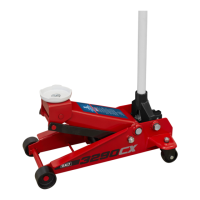
This document describes the Sealey 1015CX Trolley Jack, a piece of quality machinery designed for lifting purposes.

Function Description

The Sealey 1015CX Trolley Jack is a hydraulic lifting device intended for raising vehicles. It operates by pumping a handle to extend a ram, which in turn lifts a saddle positioned under a vehicle's lifting point. A release valve allows for controlled lowering of the vehicle. The jack is designed for lifting only and should not be used for supporting a load; suitable capacity axle stands must be used for support.

Important Technical Specifications

  • Model Number: 1015CX
  • Capacity: 1.5 tonne
  • Minimum Saddle Height: 130mm
  • Maximum Saddle Height: 300mm
  • Chassis Height: 133mm
  • Length: 415mm
  • Weight: 7kg

The jack features a safety excess pressure valve that will open and stop the vehicle from lifting if it becomes overloaded, preventing damage to the jack and potential injury.

Usage Features

Before First Use: Before initial operation, the hydraulic unit must be purged to eliminate any trapped air. This involves placing the handle onto the release valve nut, opening the valve by turning it anti-clockwise, then placing the handle back into the jacking socket and pumping for 30 to 40 seconds. After purging, the release valve should be closed by turning the valve nut clockwise. A few drops of hydraulic jack oil should be placed onto the pump piston, and the handle pumped several times to distribute the oil, thoroughly lubricating all moving parts.

General Jacking: The jack should be used on level and solid ground, preferably concrete, avoiding tarmacadam. The vehicle's wheels should be wedged, the handbrake engaged, the engine switched off, and the transmission in gear (or "PARK" if automatic). A minimum distance of 0.5m between the vehicle and static objects should be maintained. The jack saddle must be positioned under the vehicle manufacturer's recommended lifting point, ensuring it is stable and centred.

Jacking the Vehicle: To raise the vehicle, close the release valve using the handle. Place the handle into the handle socket and pump it up and down using maximum strokes until the saddle reaches the vehicle jacking point. Confirm the jacking point is centrally located on the saddle, then continue to raise the vehicle.

Lowering the Vehicle: Before lowering, ensure no persons or obstacles are beneath the vehicle or in its descent path. If axle stands are in use, raise the jack high enough for them to be easily removed. To lower, place the handle onto the release valve nut and turn it anti-clockwise, very slowly, to open the valve. The lowering speed is controlled by the amount the handle is turned. Lowering should be done carefully to avoid sudden changes in descent rate that could shock load the hydraulic system.

Safety Precautions:

  • Always ensure the jack is in sound condition and good working order, using genuine parts for repairs.
  • Operate the jack in a suitable, well-lit, clean, and tidy working area, free from unrelated materials.
  • The jack is for lifting only, not for supporting the lifted load. Always use suitable capacity axle stands under the vehicle.
  • Ensure no passengers are in the vehicle and all non-essential persons keep a safe distance.
  • DO NOT operate the jack if damaged, exceed its rated capacity, or allow the vehicle to move while supported by the jack.
  • DO NOT jack a vehicle if there is a risk of spillage of fuel, battery acid, or other dangerous substances.
  • DO NOT work under the vehicle until axle stands are correctly positioned.
  • DO NOT use the jack for purposes other than which it is intended.
  • DO NOT top up the hydraulic system with brake fluid; use hydraulic jack oil only.
  • DO NOT adjust the safety overload valve.
  • Store the jack fully lowered, in a safe, dry, childproof area when not in use.

Maintenance Features

General Maintenance:

  • When not in use, the ram should be in its lowest position to minimise corrosion.
  • Keep the jack clean and lubricate all moving parts regularly.
  • Before each use, check for broken, cracked, bent, or loose parts, or any visible damage to the ram, pump, saddle, lifting arm, frame, and all fasteners. If any suspect item is found, remove the jack from service and remedy the problem.
  • DO NOT use the jack if it has been subjected to abnormal load or shock load.
  • Periodically check the pump piston and ram for signs of corrosion, cleaning exposed areas with a clean, oiled cloth.
  • Replace the oil after one year to extend the jack's life, using hydraulic jack oil only.

Checking Oil Level: To check the oil level, fully lower the jack and remove the oil filler plug. The correct level is just below the bottom of the plug. If the oil level is low, fill as required with good quality hydraulic jack oil (e.g., SEALEY HYDRAULIC JACK OIL). DO NOT use brake fluid or any fluid other than hydraulic jack oil, as this can cause severe damage and invalidate the warranty. When draining oil, ensure no dirt enters the hydraulic system.

Troubleshooting:

  • Jack will not lift load: Check oil level and top up if necessary. Purge the hydraulic unit to eliminate trapped air by opening the release valve and pumping the handle through its full stroke six times. If the pump 'O' ring seal is worn, or the release valve is held open by dirt, the jack may need servicing by an approved agent. If the load exceeds 1.5 tonne, the overload valve will operate, preventing further lifting.
  • Jack will not hold the load: This may be due to dirt on the discharge valve seat or a worn ram cup seal, requiring servicing by an approved agent. Ensure the release valve is fully closed.
  • Jack will not lower completely: Check if the lifting arm return spring is broken or unhooked, or if the jack requires lubrication. The hydraulic unit may also be overfilled with oil, requiring drainage of the excess.
  • Jack will not lift full 1.5 tonne load: This could be due to a worn piston 'O' ring seal, air trapped in the system, an overloaded condition (overload valve operation), or a distorted jack frame/link system. These issues may require servicing by an approved agent.

De-commissioning: If the jack becomes unserviceable and requires disposal, draw off the oil into an approved container and dispose of both the jack and the oil according to local regulations.

Sealey 1015CX Specifications

General IconGeneral
BrandSealey
Model1015CX
CategoryJacks
LanguageEnglish

Related product manuals