EasyManua.ls Logo

Sealey 1153CX.V5 - User Manual

Sealey 1153CX.V5
3 pages
Print Icon
To Next Page IconTo Next Page
Loading...
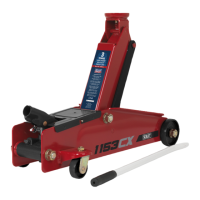
TROLLEY JACK 3 TONNE LONG CHASSIS
HEAVY-DUTY
MODEL NO: 1153CX.V5
Thank you for purchasing a Sealey product. Manufactured to a high standard, this product will, if used according to these instructions,
and properly maintained, give you years of trouble free performance.
IMPORTANT: PLEASE READ THESE INSTRUCTIONS CAREFULLY. NOTE THE SAFE OPERATIONAL REQUIREMENTS, WARNINGS & CAUTIONS. USE
THE PRODUCT CORRECTLY AND WITH CARE FOR THE PURPOSE FOR WHICH IT IS INTENDED. FAILURE TO DO SO MAY CAUSE DAMAGE AND/OR
PERSONAL INJURY AND WILL INVALIDATE THE WARRANTY. KEEP THESE INSTRUCTIONS SAFE FOR FUTURE USE.
1. SAFETY
9 Ensure the jack is in sound condition and good working order. Take action for immediate repair or replacement
of damaged parts.
Use genuine parts only. The use of improper parts may be dangerous and will invalidate the warranty.
9 Locate the jack in a suitable, well lit working area. Keep working area clean and tidy and free from unrelated
materials.
9 Use jack on level and solid ground, preferably concrete. Avoid tarmacadam as jack may sink in.
9 Place wedges under wheels of vehicle, but ensure the jack wheels are free to move and that there are no
obstructions.
9 Ensure the vehicle handbrake is engaged, engine is switched off and transmission is in gear (or “PARK”
if
automatic).
9 Ensure minimum distance of 0.5m between vehicle and static objects such as doors, walls, etc.,
to allow for
vehicle tilting.
9 Ensure there are no passengers in the vehicle and that all non-essential persons keep a safe distance whilst the
jack is in use.
9 Place jack under lifting points recommended by vehicle manufacturer (see vehicle hand book). Ensure lifting
point is stable and centred on saddle.
DANGER: Use the jack for lifting only, NOT for supporting the lifted load.
9 Use suitable capacity axle stands under the vehicle before proceeding with any task.
9 Ensure there are no persons or obstructions beneath the vehicle before lowering.
8 DO NOT operate the jack if damaged.
8 DO NOT work under the vehicle until axle stands have been correctly positioned.
8 DO NOT exceed the rated capacity of the jack (3tonne). When lifting a load of maximum capacity or close
to it, it is recommended that the effort be reduced by the use of assistance during this operation.
8 DO NOT adjust the safety overload valve.
8 DO NOT jack vehicle if there is a risk of spillage of fuel, battery acid, or other dangerous substances.
8 DO NOT allow the vehicle to move while supported by the jack, or use the jack to move the vehicle.
8 DO NOT top up hydraulic system with brake fluid. Use hydraulic jack oil only and use a qualified person to
maintain jack hydraulic system.
8 DO NOT allow untrained persons to operate the jack and DO NOT use jack for purposes other than which it is
designed.
8 DO NOT allow persons to ride on the jack.
9 When not in use store jack, fully lowered, in a safe, dry, childproof area.
2. INTRODUCTION
Long chassis, high capacity, portable garage jack for serious hobby or recovery vehicle use. Tough pump bracket and heavy duty one piece
hydraulic unit with safety overload valve. Supplied with one piece pumping handle with rubber grip.
3. SPECIFICATION
Capacity .........................................................................3tonne
Min. saddle height .........................................................140mm
Max. saddle height ........................................................432mm
Max chassis height ........................................................165mm
Length ...........................................................................625mm
Weight ...............................................................................19kg
1153CX.V5 | Issue:2 (1,F) 22/01/19
Original Language Version
© Jack Sealey Limited
Refer to
instructions
Wear safety
footwear
Apply
Chock
Wheels
Never
exceed
X2
Question and Answer IconNeed help?

Do you have a question about the Sealey 1153CX.V5 and is the answer not in the manual?

Summary

Safety Precautions for Trolley Jack

Safe Operation and Vehicle Preparation

Ensures jack is in good condition, used on level ground, with handbrake engaged, and clear working area.

Lifting and Support Procedures

Details using jack only for lifting, not support, and requirement for axle stands to support load.

Prohibited Actions and Storage

Covers actions to avoid like exceeding capacity, improper fluid use, and safe storage requirements.

Product Introduction and Specifications

Product Introduction

Describes the long chassis trolley jack for hobby or recovery use with tough pump bracket.

Technical Specifications

Lists key specifications including capacity, saddle heights, chassis height, length, and weight.

Operating the Trolley Jack

Before First Use Procedures

Includes purging the hydraulic unit and lubricating moving parts before initial operation.

General Jacking Guidelines

Emphasizes reading safety instructions and proper vehicle preparation before lifting.

Vehicle Lifting Process

Details placing the jack saddle, closing the valve, pumping to lift, and checking saddle position.

Lowering the Vehicle

Explains how to safely lower the vehicle by slowly opening the release valve.

Maintenance and Care

Routine Jack Maintenance

Covers cleaning, lubricating moving parts, and storing the jack with the ram lowered.

Pre-Use Checks

Mandates checks for damaged parts, corrosion, and ensuring the jack is not used if compromised.

Hydraulic System Maintenance

Details checking oil level, replacing oil annually, and handling with qualified personnel.

Troubleshooting Common Issues

Jack Fails to Lift

Addresses issues like overload, low oil level, or incorrectly closed release valve.

Poor Lifting Performance

Covers problems like 'spongy' feel, incorrect oil levels, or air in the system.

Load Holding Problems

Troubleshoots issues where the jack lifts but fails to hold the load securely.

Lowering Difficulties

Addresses scenarios where the jack will not lower completely or at all.

Summary

Safety Precautions for Trolley Jack

Safe Operation and Vehicle Preparation

Ensures jack is in good condition, used on level ground, with handbrake engaged, and clear working area.

Lifting and Support Procedures

Details using jack only for lifting, not support, and requirement for axle stands to support load.

Prohibited Actions and Storage

Covers actions to avoid like exceeding capacity, improper fluid use, and safe storage requirements.

Product Introduction and Specifications

Product Introduction

Describes the long chassis trolley jack for hobby or recovery use with tough pump bracket.

Technical Specifications

Lists key specifications including capacity, saddle heights, chassis height, length, and weight.

Operating the Trolley Jack

Before First Use Procedures

Includes purging the hydraulic unit and lubricating moving parts before initial operation.

General Jacking Guidelines

Emphasizes reading safety instructions and proper vehicle preparation before lifting.

Vehicle Lifting Process

Details placing the jack saddle, closing the valve, pumping to lift, and checking saddle position.

Lowering the Vehicle

Explains how to safely lower the vehicle by slowly opening the release valve.

Maintenance and Care

Routine Jack Maintenance

Covers cleaning, lubricating moving parts, and storing the jack with the ram lowered.

Pre-Use Checks

Mandates checks for damaged parts, corrosion, and ensuring the jack is not used if compromised.

Hydraulic System Maintenance

Details checking oil level, replacing oil annually, and handling with qualified personnel.

Troubleshooting Common Issues

Jack Fails to Lift

Addresses issues like overload, low oil level, or incorrectly closed release valve.

Poor Lifting Performance

Covers problems like 'spongy' feel, incorrect oil levels, or air in the system.

Load Holding Problems

Troubleshoots issues where the jack lifts but fails to hold the load securely.

Lowering Difficulties

Addresses scenarios where the jack will not lower completely or at all.

Overview

The document describes the Sealey Trolley Jack 3 Tonne Long Chassis Heavy-Duty, Model No: 1153CX.V5. This is a robust, high-capacity, portable garage jack designed for serious hobbyists or recovery vehicle use. It features a tough pump bracket and a heavy-duty one-piece hydraulic unit with a safety overload valve. The jack is supplied with a one-piece pumping handle that includes a rubber grip for comfortable operation.

Function Description:

The primary function of this device is to lift vehicles for maintenance or repair. It operates hydraulically, allowing users to raise heavy loads with relative ease. The long chassis design provides stability and reach, making it suitable for a variety of vehicles. The safety overload valve is a crucial feature, preventing the jack from lifting loads beyond its rated capacity, thereby enhancing safety during operation. Once a vehicle is lifted, it is imperative to use suitable capacity axle stands to support the load, as the jack is designed for lifting only, not for sustained support. Lowering the vehicle is controlled by a release valve, allowing for a gradual and controlled descent.

Important Technical Specifications:

  • Capacity: 3 tonnes (3000 kg), indicating its ability to handle a wide range of vehicles, from passenger cars to light commercial vehicles.
  • Minimum Saddle Height: 140 mm, which is the lowest point the saddle can reach, allowing it to fit under vehicles with lower ground clearance.
  • Maximum Saddle Height: 432 mm, representing the highest point the saddle can lift a vehicle, providing ample clearance for various tasks.
  • Maximum Chassis Height: 165 mm, the overall height of the jack's chassis.
  • Length: 625 mm, highlighting its "long chassis" design for stability and reach.
  • Weight: 19 kg, indicating a substantial build for durability and stability, yet remaining portable for garage use.

Usage Features:

  • Safety First: The manual emphasizes numerous safety precautions. Users must ensure the jack is in sound working order, use genuine parts, and operate it in a suitable, well-lit, clean, and tidy area on level, solid ground (preferably concrete, avoiding tarmacadam).
  • Vehicle Preparation: Before lifting, wedges must be placed under the vehicle's wheels, the handbrake engaged, the engine switched off, and the transmission in gear (or "PARK" for automatic). A minimum distance of 0.5m from static objects is required. No passengers should be in the vehicle, and non-essential persons must keep a safe distance.
  • Lifting Points: The jack must be placed under the vehicle manufacturer's recommended lifting points, ensuring the lifting point is stable and centered on the saddle.
  • Lifting Operation: To lift, the handle is placed onto the release valve (B) and turned clockwise to close it. The handle is then placed into socket (A), and pumping commences until the saddle reaches the jacking point.
  • Overload Protection: A safety excess pressure valve prevents lifting beyond the rated capacity.
  • Lowering Operation: To lower, the handle is placed on the release valve (B) and turned anti-clockwise very slowly. The lowering speed is controlled by the amount the handle is turned, emphasizing careful and gradual descent to avoid shock loading the hydraulic system.
  • Pre-Use Purging: Before first use, the hydraulic unit must be purged of air by opening the release valve, pumping the handle for 30-40 seconds, then closing the valve. This ensures proper operation and extends the life of the hydraulic system.
  • Lubrication: A few drops of hydraulic jack oil should be applied to the pump piston, and moving parts should be thoroughly lubricated.

Maintenance Features:

  • Storage: When not in use, the ram should be in its lowest position to minimize corrosion. The handle should be removed to inactivate the jack. It should be stored fully lowered in a safe, dry, childproof area.
  • Regular Cleaning and Lubrication: The jack should be kept clean, and all moving parts lubricated with oil on a regular basis.
  • Pre-Use Checks: Before each use, inspect for broken, cracked, bent, or loose parts, or any visible damage to the ram, pump, saddle, lifting arm, frame, and all fasteners. Any suspect item requires immediate action (repair or replacement).
  • Corrosion Check: Periodically check the pump piston and ram for signs of corrosion and clean exposed areas with an oiled cloth.
  • Oil Replacement: The hydraulic oil should be replaced after one year to extend the jack's life. Only hydraulic jack oil should be used.
  • Oil Level Check: To check the oil level, fully lower the jack, remove the front cover plate (fig. 1.C) and filler plug (fig.2.O). The correct level is the bottom of the screw hole. If low, fill as required. Pump the jack 5-6 times to expel air, then pump to full height and pour off excess oil before refitting the plug.
  • Qualified Personnel: Hydraulic maintenance or repair should only be attempted by fully qualified personnel.
  • Prohibited Fluids: DO NOT use brake fluid or any fluid other than hydraulic jack oil, as this can cause severe damage and invalidate the warranty.
  • Overload Valve: DO NOT adjust the safety overload valve (fig.2.V).
  • Troubleshooting Guide: The manual includes a comprehensive troubleshooting section covering common issues like the jack not lifting, lifting poorly, not holding load, or not lowering. It provides possible causes and corresponding remedies, such as topping up oil, checking/closing the release valve, replacing packing, cleaning valves, and lubricating parts. For more complex issues, it advises contacting a local service agent.

The document emphasizes that Sealey products are manufactured to a high standard and, if used according to instructions and properly maintained, will provide years of trouble-free performance. Failure to adhere to instructions can cause damage, personal injury, and invalidate the warranty.
Sealey 1153CX.V5 Specifications

General IconGeneral
BrandSealey
Model1153CX.V5
CategoryJacks
LanguageEnglish

Related product manuals