TA Operation/Maintenance Instructions Page 29 of 36
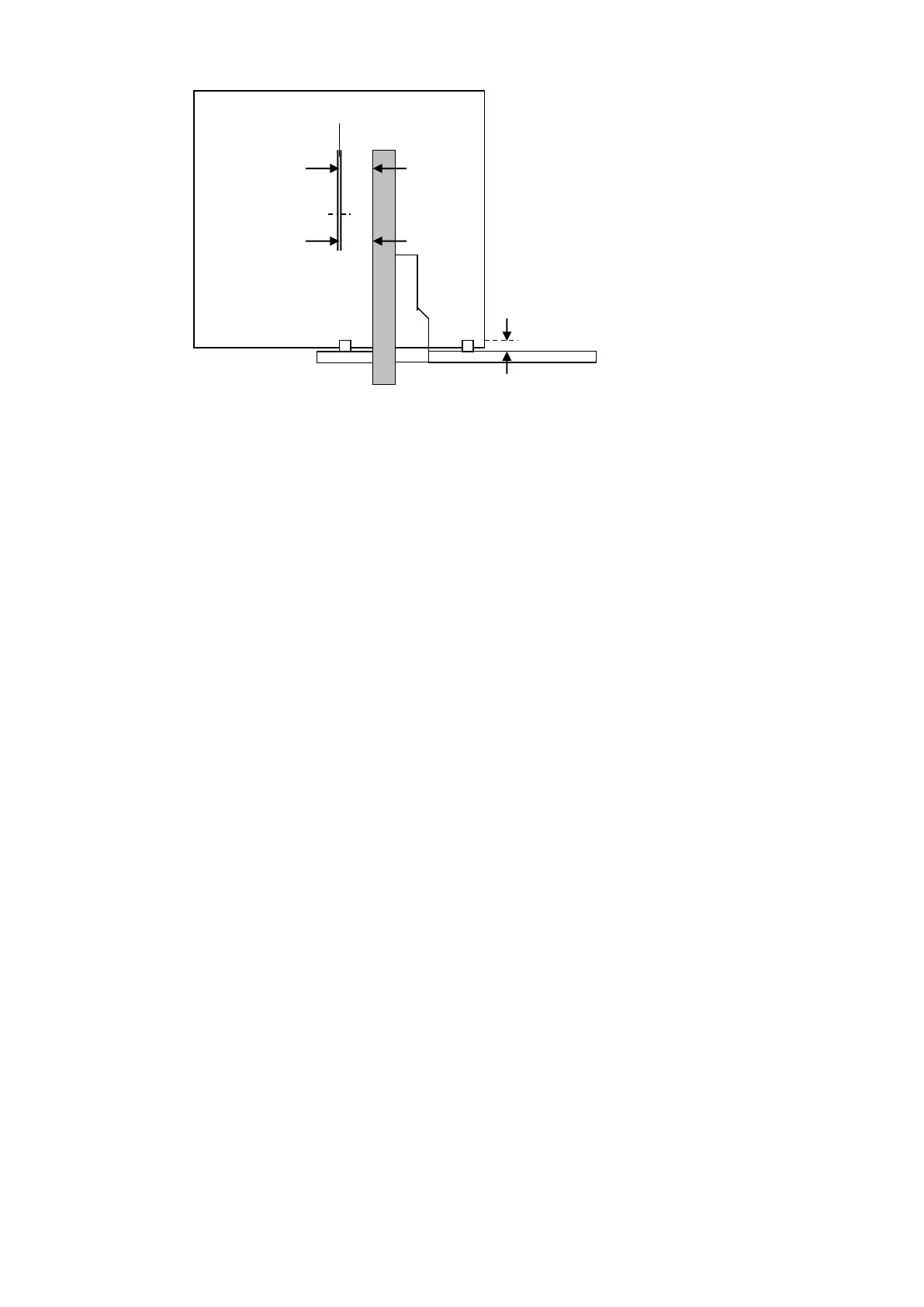
RIVING KNIFE
A
SAWBLADE FENCE
B Dimension A should be equal to B
or no more than B + 1/64”.
25mm
When adjusting the position fore and aft of the rip fence set the extrusion so that it sits
slightly above the table when clamped up against the fence casting. This will ensure that
the nylon roller underneath the casting remains in contact with the table.
Alternatively, the rip fence extrusion may have been bent. Check by placing a straight
edge along its length. Either replace it or add an auxiliary wood fence and shim it to even
out any imperfections.
9.9 Electro-magnetic Brake Installation & Maintenance
Installation
It is the responsibility of the machine installer to ensure that:
• The brake functions correctly after final installation.
• Earthing has been carried out according to local regulations before the connection to
the mains.
• The supply of motor, rectifier/brake, and auxiliary equipment (if any) has been made
using cables of suitable section so as to avoid overheating and/or too high voltage drop.
• In case of inverter supply the wiring instructions of the inverter manufacturer have been
correctly followed for the motor and a separate supply (directly from the mains) has been
provided for the rectifier/brake.
Note: due to poor supply characteristics we do not recommend use with phase
converters.
Maintenance
***Brake reliability & lifetime is dependent upon good periodic maintenance.
• All maintenance work on brake motors should be carried out by qualified personnel,
always with the machine out of operation, disconnected and secured against starting.


 To Next Page