EasyManua.ls Logo

Sedgwick TA315 - User Manual

Sedgwick TA315
36 pages
Print Icon
To Next Page IconTo Next Page
Loading...
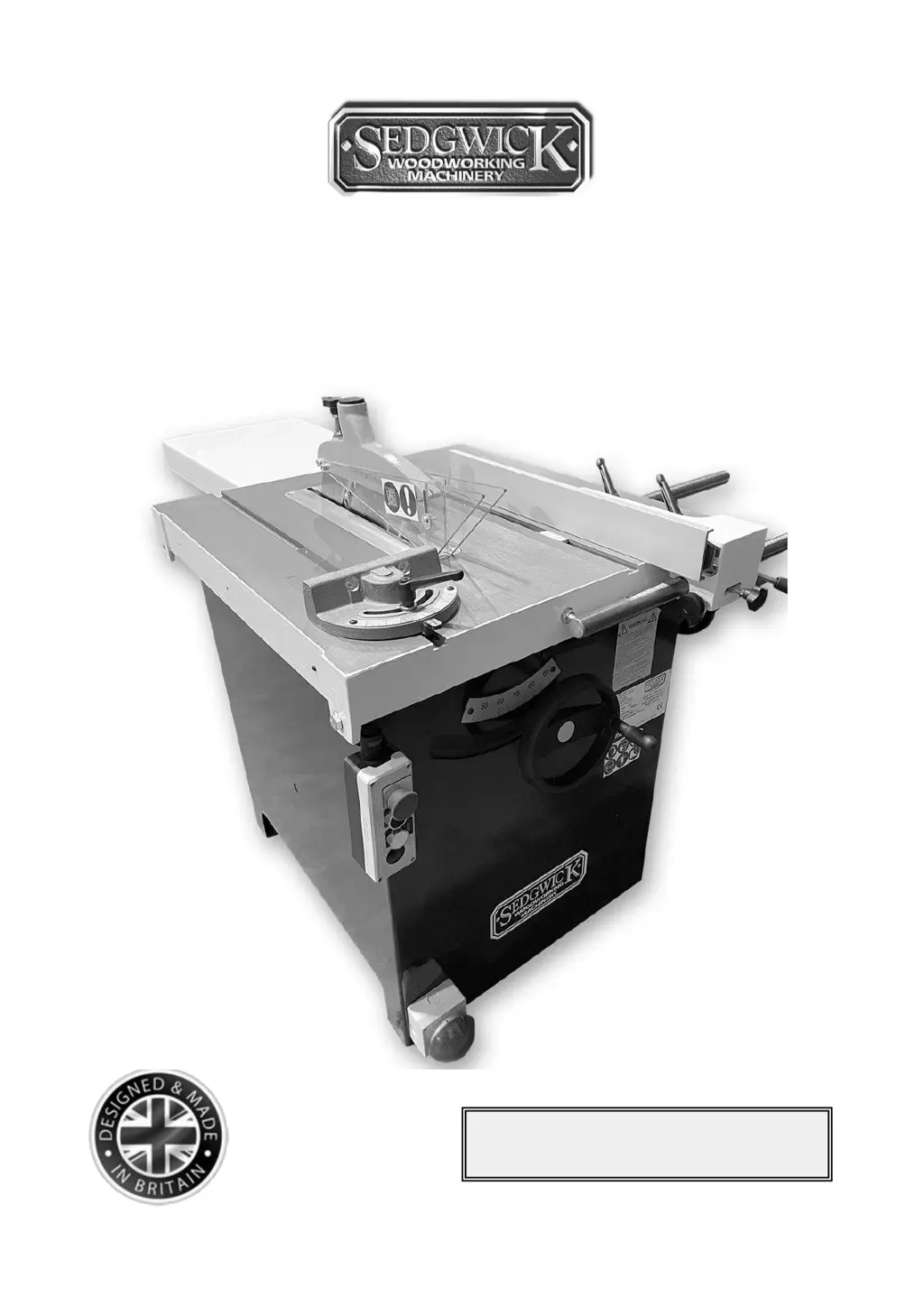
TA315
TILT ARBOR SAWBENCH
OPERATION AND MAINTENANCE
INSTRUCTIONS
MACHINE SERIAL NO. TAH

Questions and Answers

  • L
    Lisa BrownJul 28, 2025
    How to troubleshoot a Sedgwick TA315 Saw that does not start (three phase motors)?
    • T
      Tammy EricksonJul 28, 2025
      To troubleshoot a Sedgwick Saw with a three-phase motor that won't start, verify the following: * The isolator is switched to ON and all STOP buttons are out. * The overload button is reset. * The starter coil/contactor is operational. * There are no loose connections. * There are no blown fuses. * The supply is reaching the starter and the motor. * Check the voltage between the phases at the starter and motor.
  • T
    Taylor JonesAug 2, 2025
    What to do if a Sedgwick TA315 motor runs but trips (three phase motors)?
    • B
      Brittany ThorntonAug 2, 2025
      If your Sedgwick Saw's three-phase motor runs but trips, consider the following checks: * Examine the overload setting in the starter. * Assess the current drawn without any load applied. * Check the current drawn when the saw is under load. * Measure the supply voltage without load when switching on. * Ensure the supply voltage is within the allowed variation of plus or minus 6%. * Measure the supply voltage under load and with the motor off. * Confirm the supply to all three phases at the isolator, starter, and motor. * Inspect all fuses.
  • Z
    Zoe FosterAug 7, 2025
    What to do if Sedgwick TA315 motor runs but trips (single phase motors)?
    • J
      John SloanAug 7, 2025
      If your Sedgwick Saw's single-phase motor runs but trips, you should check: * The overload setting in the starter. * The current drawn without load applied. * The current drawn under load. * The supply voltage without load when switched on. * Whether the voltage variation is within the allowed plus/minus 6%. * The supply voltage under load and with the motor off. * Check at the isolator, starter, and motor.
  • S
    Steven BurtonAug 12, 2025
    How to troubleshoot a Sedgwick TA315 Saw that does not start (single phase motors)?
    • R
      Rachel RamirezAug 12, 2025
      To troubleshoot a Sedgwick Saw with a single-phase motor that won't start, verify the following: * The isolator is switched to ON and all STOP buttons are out. * The overload is reset. * The starter coil/contactor is operational. * The fuse isn’t blown. * There are no loose connections. * The supply is reaching the starter and the motor. * Check the voltage between line and neutral at the starter and motor.
  • H
    Haley Medina MDAug 17, 2025
    What to do if Sedgwick Saw motor attempts to start then trips (three phase motors)?
    • L
      Luis Hoffman PhDAug 17, 2025
      If a Sedgwick Saw motor attempts to start and then trips (three-phase), make sure that: * The machine is not jammed, and the spindle is free to rotate. * Check the winding resistance of each motor phase; the values should all balance. * Check the insulation resistance between windings and earth. * Verify that the correct cable size has been used to install the machine, as long runs of cable can cause voltage drop.
  • B
    Barbara LozanoAug 22, 2025
    What to do if Sedgwick TA315 motor attempts to start then trips (single phase motors)?
    • I
      Ian ParkerAug 22, 2025
      If your Sedgwick Saw motor attempts to start and then trips (single phase), consider these checks: * Ensure a healthy line voltage for the single-phase permanent capacitor motor to reach its required starting torque. * Verify that the correct cable size has been used, as long cable runs can cause voltage drop. * Confirm that the machine is not jammed and the spindle rotates freely. * Listen for audible operation of the centrifugal switch. * Check the integrity of the capacitors. * Test the winding resistances of the start and run windings. * Measure the insulation resistance between motor windings and earth.

Summary

EC Declaration of Conformity

Design and Purpose

Illustration

Visual representation of the sawbench components and controls.

Technical Specification and Shipping

Detailed specifications, dimensions, and shipping weight of the machine.

Safety and Handling

Personal Protective Equipment and Residual Hazards

Essential safety gear and potential risks associated with machine operation.

Machine Handling

Guidelines for safely transporting, loading, and unloading the machine.

Preparation and Setup

Storage, Disposal, and Unpacking

Procedures for storing, disposing of, and unpacking the woodworking machinery.

Positioning and Foundation

Requirements for machine placement, anchoring, and foundation drawings.

Dust Extraction System Connection

Electrical Installation and Safety

Switch Gear and Controls

Padlockable Isolator

Function and use of the main power isolation switch for safety.

Start;Stop Buttons and Emergency Stop

Operation of start/stop buttons and the emergency foot-operated stop switch.

Circuit Protection

Explanation of the starter's overload and no-volt release protection features.

Machine Setting and Adjustments

Pre-Operation Checks

Essential checks before starting machine operations for safety and performance.

Spindle Rise and Fall

How to adjust the saw spindle height for optimal cutting.

Tilting the Spindle

Method for adjusting the saw spindle angle for bevel cuts.

Rip Fence Adjustment

Setting the rip fence for ripping and crosscutting operations.

Rip Fence Fine Adjuster

Using the fine adjuster for precise width-of-cut settings.

Riving Knife or Splitter

Correct setting and function of the riving knife for safety.

Pushsticks and Pushblocks

Safe use of pushsticks and pushblocks for feeding workpieces.

Optional Rear Extension Table

Setup and use of the optional table for handling cut pieces.

Blade Changing

Step-by-step procedure for safely removing and refitting saw blades.

Blade Selection and Maintenance

Blade Selection

Guidance on choosing the correct saw blade for different operations.

Blade Maintenance

How to maintain saw blades for optimal cutting performance and longevity.

Limitations of Use and Safe Practices

Noise Levels and Protection

Information on noise levels and required hearing protection.

Warning Labels

Explanation and importance of machine warning labels.

Maintenance and Lubrication

Cleaning and Lubrication

Procedures for cleaning the machine and lubricating moving parts.

Optional 610 mm Cross Cut Table

Setting and installation of the optional cross-cut table for accurate cuts.

Optional 1220 mm Panel Sizing Table

Setting and installation of the optional panel sizing table.

Riving Knife Maintenance

Maintaining the riving knife for proper ripping and crosscutting.

Saw Spindle Maintenance

Checking and maintaining the saw spindle and its bearings.

Belt Tensioning

Procedure for correctly tensioning the drive belts for optimal performance.

Pulley Alignment

Ensuring correct alignment of pulleys to prevent wear and vibration.

Rip Fence Alignment

Adjusting the rip fence for squareness to the blade for accurate cuts.

Electro-magnetic Brake

Installation and maintenance of the electro-magnetic brake system.

Electrical Information and Troubleshooting

Electric Motors Troubleshooting

Checklist for diagnosing and resolving issues with electric motors.

Wiring Diagrams

Three Phase Wiring Diagram

Wiring diagram for the three-phase motor configuration of the sawbench.

Single Phase Wiring Diagram

Wiring diagram for the single-phase motor configuration of the sawbench.

Parts List

Sedgwick TA315 Specifications

General IconGeneral
BrandSedgwick
ModelTA315
CategorySaw
LanguageEnglish