Recording
What do I need?
The parts of a recording system.
To make a decent recording there are two or
three components to consider:
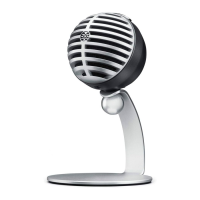
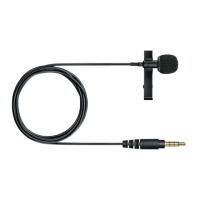
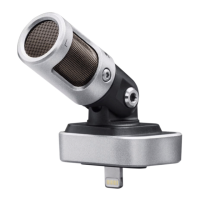
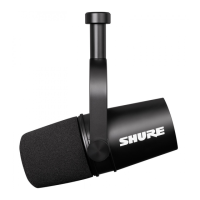
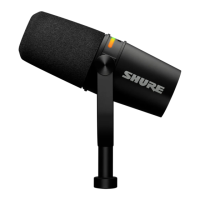
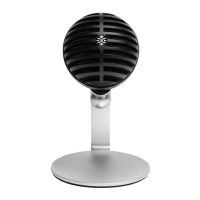
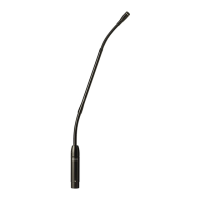
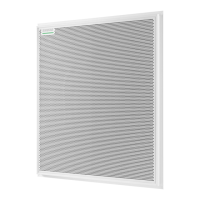
1. The first, and most important, is the microphone. Choosing the right micro-
phone ensures accurate pickup of the desired sounds.
2. Next, consider the recording device. Recording equipment comes in many
shapes and sizes, from simple cassette tape recorders to advanced digital
multitrack machines.
3. Lastly, depending on the capabilities of the recording device, you may need a
mixer. A mixer’s purpose is two-fold; they are used to combine (or "mix")
multiple microphones together, and to properly interface microphones to the
recording device. Most consumer-quality cassette tape recorders, for example,
do not allow a microphone to be directly connected to the record inputs.
A microphone has an extremely low output level that would result in little or no
signal actually making it to tape. A mixer provides gain, which raises the
signal level from the microphone to a level that is acceptable to recorders that
don’t have microphone inputs.
Microphones
The most important questions to ask when choosing microphones are:
a) what are you recording? and
b) what are you using to record?
First, a little about microphones. Microphones are basically simple devices designed
to do one thing: convert sound waves in the air to their electrical equivalent. One
of the first questions you may encounter is, "Do you want a dynamic or condenser
microphone?" These are the two most popular types of microphones in the world.
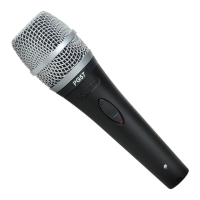
• Dynamic microphones are typically inexpensive and rugged, with fairly low
sensitivity. In layman’s terms, this means they are good for handheld or
"close-miked" applications. Dynamics are commonly used for solo vocalists
and on drum kits.
• Condenser microphones, on the other hand, are typically (but not always) much
more sensitive than dynamics. Make a good quality condenser microphone your
first choice for miking ensembles, or other applications where the microphone
will be placed at a distance (> 2 ft.) from the sound source. Condensers are
typically used for recording orchestras, choirs, and in other applications where
you wish to capture the sound of the ensemble, versus individual sounds.
Music
Guide
Educators
5


 To Next Page