EasyManua.ls Logo

Singer C240 - User Manual

Singer C240
28 pages
Print Icon
To Next Page IconTo Next Page
Loading...
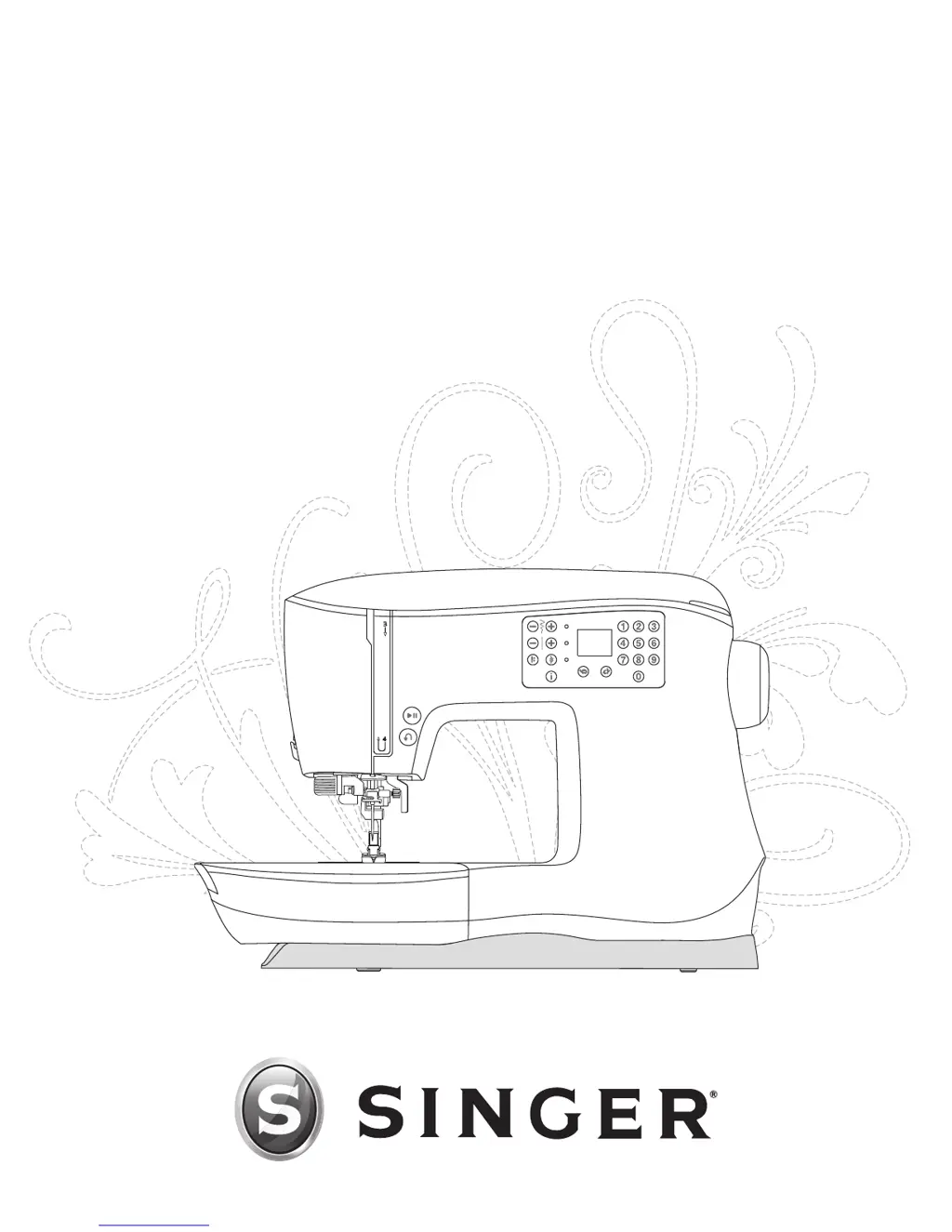
INSTRUCTION MANUAL
C240

Questions and Answers

  • J
    Jordan NelsonJul 28, 2025
    Why is my Singer C240 Sewing Machine skipping stitches?
    • J
      Jessica GainesJul 28, 2025
      There are several potential causes for a Singer Sewing Machine skipping stitches. First, ensure the needle is correctly inserted. If the issue persists, refer to page 15 for guidance. Also, make sure you're using the correct needle for your fabric, consulting the Stitch Reference Guide at www.singer.com. A bent or blunt needle can also cause this, so try inserting a new one. Verify that the machine is threaded correctly and that you're using the appropriate presser foot. Finally, ensure that the needle size is suitable for the thread being used.
  • M
    Melissa ParkerAug 2, 2025
    Why does the needle thread keep breaking on my Singer C240 Sewing Machine?
    • H
      hullnicholasAug 2, 2025
      Needle thread breakage in a Singer Sewing Machine can occur due to several reasons. Check if the needle is correctly inserted (refer to page 15). Ensure you are using the correct type of needle for the fabric (see the Stitch Reference Guide at www.singer.com). A bent or blunt needle should be replaced immediately. Also, check the threading of your machine. If the needle is too small for the thread, change it to the proper size. Poor quality, slubbed, or dry thread can also cause breakage, so switch to a new, smooth thread. Make sure you're using the right size spool cap for your thread spool and try adjusting the spool pin position (vertical or horizontal). Finally, a damaged stitch plate hole can also cause thread breakage, so consider changing the stitch plate.
  • C
    Cheryl PhamAug 8, 2025
    How to fix uneven stitches on my Singer C240 Sewing Machine?
    • D
      Debra AndersonAug 8, 2025
      If the seam has uneven stitches, check the needle thread tension and the threading of your Singer Sewing Machine. Ensure you are not using thread that is too thick or slubbed; if so, change the thread. Also, check the bobbin winding to ensure it is even. Finally, make sure a proper needle is inserted correctly, referring to page 15.
  • A
    Ann ArnoldAug 14, 2025
    What to do if the bobbin thread breaks on my Singer C240?
    • P
      pmitchellAug 15, 2025
      If the bobbin thread breaks on your Singer Sewing Machine, start by checking the bobbin thread to ensure it's properly inserted. A damaged stitch plate hole can also cause this issue, so consider changing the stitch plate. Make sure the bobbin area is clean and free of lint. Finally, ensure the bobbin is wound correctly; if not, wind a new bobbin.
  • K
    Katherine HoltAug 20, 2025
    What to do if the function buttons on my Singer C240 Sewing Machine don't respond?
    • A
      Ashlee BassAug 20, 2025
      If the sewing machine function buttons on your Singer Sewing Machine do not respond to touch, it may be due to static electricity. Try turning the machine OFF and then ON again. If the problem continues, go to www.singer.com for information on locating an authorized service center.

Summary

IMPORTANT SAFETY INSTRUCTIONS

Electric Shock Hazards

Warnings and precautions to prevent electric shock when using the sewing machine.

General User Safety Precautions

Essential safety guidelines to prevent burns, fire, injury, and misuse.

Instructional Compliance and Servicing

Usage Guidelines and Regional Compliance

Safety instructions for users, especially children, and regional compliance notes.

Servicing Double Insulated Products

Procedures and care required for servicing double-insulated sewing machines.

Introduction to the Sewing Machine

Machine Overview and Components

Identifies and describes the various external parts of the sewing machine.

Sewing Machine Components and Accessories

Top and Rear Parts Identification

Details the components located on the top and rear of the sewing machine.

Included Accessories

Lists and illustrates the sewing machine's included accessories.

Presser Feet Guide

Stitch Chart and Presser Foot Compatibility

Getting Started: Preparations

Unpacking and Initial Setup

Instructions for safely removing the sewing machine from its packaging.

Connecting Power and Foot Control

Steps for connecting the sewing machine to the power source and foot control.

Packing Away After Use

Guidance on safely disconnecting and storing the sewing machine and accessories.

Machine Setup and Basic Features

Using the Free Arm

Instructions on how to access and utilize the free arm feature of the machine.

Leveling the Base Plate

How to adjust the machine's base plate for stable operation on various surfaces.

Thread Cutter Operation

Explanation of how to use the built-in thread cutter for trimming threads.

Spool Pin Usage

Information on the main and auxiliary spool pins and their proper usage for different threads.

Bobbin Winding and Auxiliary Spool Pin

Auxiliary Spool Pin Functionality

Details the use of the auxiliary spool pin for specialty threads or twin needle sewing.

Bobbin Winding Procedure

Step-by-step guide on how to wind a bobbin correctly using the machine's winder.

Thread Management: Bobbin and Machine

Inserting the Bobbin Correctly

Instructions for correctly inserting the bobbin into the bobbin case and threading it.

Threading the Sewing Machine

Detailed steps for threading the upper thread through the sewing machine.

Needle Threading Systems

Using the Built-in Needle Threader

How to use the integrated needle threader for quick and easy needle threading.

Threading for Twin Needle Sewing

Instructions for threading the machine when using a twin needle (optional accessory).

Integrated Even Feed System Guide

Engaging the Dual Feed System

Steps to activate the Integrated Even Feed System for precise fabric feeding.

Disengaging the Dual Feed System

Procedure to deactivate and remove the Integrated Even Feed System from the machine.

Sewing Parameter Adjustments

Adjusting Presser Foot Pressure

How to adjust the presser foot pressure for different fabric weights and types.

Setting Thread Tension

Guidance on setting and adjusting the thread tension for optimal stitch quality.

Needle Selection and Replacement

Changing the Sewing Needle

Step-by-step instructions for safely replacing the sewing needle.

Machine Operation: Feed Teeth and Presser Foot

Lowering the Feed Teeth

How to lower the feed teeth for free-motion sewing or darning applications.

Using the Presser Foot Lifter

Description of the presser foot lifter and its function for fabric placement.

Changing the Presser Foot

Instructions on how to remove and attach different presser feet to the machine.

Sewing Machine Operation Buttons

Machine Alerts and Sound Settings

Sewing Modes and Stitch Selection

Selecting a Stitch Pattern

How to choose and select different stitch patterns available on the machine.

Adjusting Stitch Parameters

How to adjust stitch length, width, and position for selected stitches.

Advanced Sewing Techniques

Multi-Step Zigzag Stitch Applications

Using stitch 03 for overcast edges or as an elastic stitch for knit fabrics.

Sewing Buttonholes

General advice on sewing buttonholes and using the one-step buttonhole foot.

Specialty Sewing Applications

Corded Buttonholes for Stretch Fabrics

Method for creating cording for buttonholes on stretch fabrics for added stability.

Sewing Buttons onto Fabric

Instructions for sewing buttons onto fabric using stitch 13, including thread shank creation.

Fabric-Specific Sewing Techniques

Sewing Hems in Heavy Fabric

Technique for sewing hems on thick fabrics using a clearance plate for balance.

Quilting and Decorative Stitching

Overview of quilting basics and decorative stitch choices for quilt projects.

Stitch-in-the-Ditch Quilting

Using the All Purpose Foot 1A for stitching precisely along seams in quilt blocks.

Crazy Quilt Stitching

Using decorative stitches to embellish quilts with specialty threads for unique designs.

Hemming and Zipper Sewing

Invisible Hemming Techniques

How to create invisible hems using Blind Hem Foot 3 and stitch 04.

Elastic Blindhem Stitching

Using stitch 09 for stretchy fabrics and elastic hems for finished edges.

Sewing Zippers with Precision

Tips for sewing zippers using the Zipper Foot 4 and adjusting needle position.

Machine Maintenance and Cleaning

General Machine Cleaning

Routine cleaning of the sewing machine's exterior and internal areas to maintain performance.

Bobbin Area Cleaning Procedures

Detailed steps for cleaning lint and dust from the bobbin case area.

Replacing the Stitch Plate

Instructions for removing and replacing the stitch plate for cleaning or repair.

Troubleshooting Common Sewing Issues

Advanced Troubleshooting Scenarios

Addressing Uneven Stitches

Diagnosing and fixing issues causing uneven stitches in the seam.

Resolving Fabric Feed Problems

Troubleshooting steps for issues where the machine does not feed fabric properly.

Overloaded Motor Solutions

Resolving issues when the sewing machine motor becomes overloaded or stalls.

Singer C240 Specifications

General IconGeneral
Buttonhole Styles1
Needle ThreaderYes
Stitch Width7mm
Feed SystemDrop Feed
LED LightingYes
Free ArmYes
TypeComputerized
Presser Feet4
LCD ScreenYes
Speed750 stitches per minute

Related product manuals