
 To Next Page
M
Michele EllisSep 9, 2025
What to do if I have expired test strip for Sinocare Safe AQ UG?
- JJames SimsSep 9, 2025
If you are using an expired or damped test strip with your Sinocare Blood Glucose Meter, use a new test strip to test again.

What to do if I have expired test strip for Sinocare Safe AQ UG?
If you are using an expired or damped test strip with your Sinocare Blood Glucose Meter, use a new test strip to test again.
What to do when Sinocare Blood Glucose Meter battery is low?
If the battery power is low on your Sinocare Blood Glucose Meter, replace the battery.
Where to insert test strip in Sinocare Safe AQ UG Blood Glucose Meter?
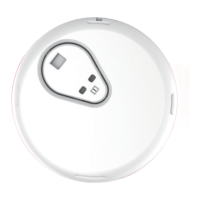
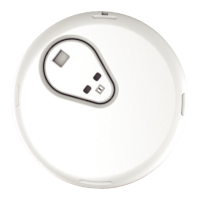
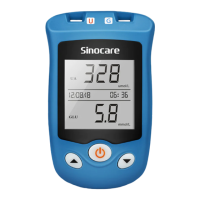
When inserting test strips into your Sinocare Blood Glucose Meter, make sure to use the right port. Insert the blood glucose test strip into the port marked with “G”. Insert the uric acid test strip into the port marked with “U.”
How to fix uric acid coding failure on Sinocare Blood Glucose Meter?
If you experience a uric acid coding failure with your Sinocare Blood Glucose Meter, try coding again.
What to do if test strip is exposed in moisture environment for Sinocare Safe AQ UG?
If the test strip on your Sinocare Blood Glucose Meter has been exposed in a moisture environment for too long, use a new test strip.
Defines the purpose and scope of the blood glucose and uric acid monitoring system.
Explains the scientific basis behind the meter's measurement of glucose and uric acid.
Outlines critical safety precautions for operating the meter and handling test strips.
Lists specific limitations and warnings for patient use of the monitoring system.
Provides context on normal blood glucose ranges and when to consult a professional.
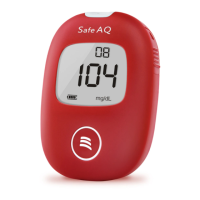
Details the physical components of the Safe AQ UG meter.
Illustrates and explains the elements shown on the meter's full screen display.
Explains the purpose and operation of each button on the meter.
Guides users through the initial setup process, including battery installation and date/time settings.
Explains the importance and benefits of performing control solution tests.
Lists the specific situations that warrant performing a control solution test.
Provides crucial details regarding control solution usage and test strip shelf life.
Lists probable causes and recommended actions for unexpected test results.
Explains how to read and interpret blood glucose and uric acid test results displayed on the meter.
Details how the meter stores and allows review of past test results.
Provides guidance specific to healthcare professionals using the system on multiple patients.
Advises on how to compare meter results with laboratory test findings.
Outlines procedures for cleaning and disinfecting the meter and lancing device.
Explains the meter's automatic power-off features to conserve battery life.
Presents accuracy and precision data for glucose and uric acid measurements.
Lists technical details such as blood volume, measurement time, and operating conditions.
Provides recommendations for maintaining the meter's performance and avoiding errors.
Lists extra functionalities and warnings integrated into the meter.
Provides solutions for common error displays and operational issues with the meter.
Defines the meaning of various symbols used on the meter and in the manual.
Details the warranty coverage and conditions for the Safe AQ UG monitoring system.
 General
| Brand | Sinocare |
|---|---|
| Model | Safe AQ UG |
| Type | Blood Glucose Meter |
| Measurement Range (mg/dL) | 20-600 mg/dL |
| Measurement Range (mmol/L) | 1.1-33.3 mmol/L |
| Sample Type | Capillary whole blood |
| Test Time | 5 seconds |
| Display | LCD |
| Operating Conditions - Temperature | 10-40 °C |
| Operating Conditions - Humidity | 20-80% RH |
| Sample Volume | 0.6 μL |
| Memory Capacity | 1000 test results |