EasyManua.ls Logo

Smiths Medical level 1 HOTLINE Fluid Warmer - User Manual

Smiths Medical level 1 HOTLINE Fluid Warmer
2 pages
Print Icon
To Next Page IconTo Next Page
Loading...
2
HOTLINE
®
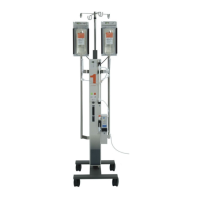
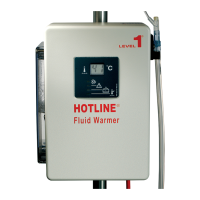
Fluid Warmer (HL-90)
HOTLINE
®
Fluid Warming Sets (L-70)
Step-by-Step Guide
Plug the Twin-Tube Connector on the HOTLINE
®
fluid
warming set into the socket
Connect the IV fluid and the intravenous administration set to
the HOTLINE
®
fluid warming set
Fully prime the intravenous administration set and the
HOTLINE
®
fluid warming set prior to connecting to the patient
After use, turn OFF the power switch
Remove the HOTLINE
®
fluid warming set and insert the reflux
plug into the socket
Turn ON the power switch
Inspect the patient end of the HOTLINE
®
fluid warming set for
leaks to confirm the integrity of the intravenous pathways
IMPORTANT: Please refer to the Operator’s Manual supplied
with the product for detailed instructions, contraindications,
warnings and cautions and the appropriate IFU for specific
information on using disposable sets.
Warning: Prime the recirculating solution path before
connecting to the intravenous extension set, to confirm there
is no breach between the recirculating solution path and the
intravenous path.
1
3 4
HL-90 L-70
Question and Answer IconNeed help?

Do you have a question about the Smiths Medical level 1 HOTLINE Fluid Warmer and is the answer not in the manual?

Summary

Step-by-Step Guide

Connecting and Powering On

Plug the fluid warming set into the socket and turn on the power switch.

System Integrity Check

Inspect the patient end of the fluid warming set for leaks.

Fluid Connection and Priming

Connect IV fluid and administration set, then prime both components.

Shutdown and Storage

Turn off the power, remove the warming set, and insert the reflux plug.

Troubleshooting

No Power Issues

Steps to resolve when the device does not power on.

Disposables Alarm Resolution

How to address alarms related to the fluid warming set installation.

Recirculating Solution Alarm

Steps to take when the recirculating solution alarm sounds.

Over Temperature and Interference

Troubleshooting over temperature alarms and electrical interference.

Overview

The HOTLINE® Fluid Warmer (HL-90) and HOTLINE® Fluid Warming Sets (L-70) are medical devices designed to warm intravenous (IV) fluids before administration to a patient. This step-by-step guide provides instructions for their proper use and troubleshooting.

Function Description

The HOTLINE® Fluid Warmer system ensures that IV fluids are delivered to the patient at a controlled, warm temperature, which can be crucial in preventing hypothermia during medical procedures. The HL-90 warmer unit works in conjunction with the L-70 fluid warming sets to create a closed system that warms the fluid as it travels from the IV bag to the patient. The system utilizes a recirculating solution path to transfer heat to the IV fluid without direct contact, ensuring the sterility of the intravenous pathway.

Usage Features

The usage of the HOTLINE® Fluid Warmer involves several key steps to ensure safe and effective operation:

  1. Connecting the Fluid Warming Set: The first step involves plugging the Twin-Tube Connector of the HOTLINE® fluid warming set (L-70) into the designated socket on the HL-90 warmer unit. This connection is critical for establishing the fluid warming circuit.

  2. Powering On and Inspection: After connecting the set, the power switch on the HL-90 warmer unit should be turned ON. Before connecting to the patient, it is essential to inspect the patient end of the HOTLINE® fluid warming set for any leaks. This visual inspection confirms the integrity of the intravenous pathways, preventing potential contamination or fluid loss.

  3. Connecting IV Fluid and Administration Set: The next step is to connect the IV fluid bag and the intravenous administration set to the HOTLINE® fluid warming set. This establishes the complete fluid delivery pathway.

  4. Priming the System: A crucial step before patient connection is to fully prime both the intravenous administration set and the HOTLINE® fluid warming set. Priming involves flushing the lines with fluid to remove any air, which is vital for patient safety. The system includes a warning to prime the recirculating solution path before connecting to the intravenous extension set to confirm there is no breach between the recirculating solution path and the intravenous path.

  5. Post-Use Procedure: After the fluid administration is complete, the power switch on the HL-90 warmer unit should be turned OFF. The HOTLINE® fluid warming set is then removed, and a reflux plug is inserted into the socket on the warmer unit. This helps maintain the cleanliness and integrity of the warmer unit for future use.

Maintenance Features

The HOTLINE® Fluid Warmer system is designed with several features to aid in troubleshooting and maintenance, ensuring its continued reliable operation:

Troubleshooting No Power:

  • Confirmation of Power Connection: If the device does not power on, the first step is to confirm that the HOTLINE® warmer is properly plugged into an electrical outlet.
  • Power Switch Position: Verify that the power switch is in the ON position. The device is designed to illuminate a green or red LED when plugged in and powered on, providing a visual indicator of its status.

Troubleshooting Check Disposables Alarm:

  • Proper Set Installation: If a "Check Disposables" alarm is triggered, ensure that the HOTLINE® fluid warming set is properly installed.
  • Secure Connector: Firmly push the Twin-Tube Connector into the socket on the right side of the warmer. It is important to turn OFF the power switch before attempting to reseat or replace the fluid warming set.
  • Set Replacement: If the alarm persists after re-seating, the fluid warming set should be replaced. After replacement, turn the power switch ON to verify the alarm has cleared.
  • Service Removal: If the alarm still does not clear after replacing the set, the HOTLINE® warmer should be removed from service, indicating a potential issue with the warmer unit itself.

Troubleshooting Add Recirculating Solution Alarm:

  • Reservoir Level Check: This alarm indicates a low level of recirculating solution. To address this, turn OFF the power switch, remove the HOTLINE® fluid warming set (if installed), and add recirculating solution to the maximum level in the reservoir.

Troubleshooting Over Temperature Alarm:

  • Kinks or Restrictions: An over-temperature alarm can be caused by kinks or other restrictions in the HOTLINE® fluid warming set, which impede fluid flow and heat dissipation.
  • Air Lock: An air lock within the warmer can also cause overheating. To resolve this, turn the power switch to OFF, remove the fluid warming set, and gently shake the HOTLINE® warmer to dislodge any trapped air. After this, plug in the fluid warming set and turn the power switch ON.
  • Service Removal for Persistent Alarm: If the over-temperature alarm does not clear after these steps, the warmer should be removed from service and returned for repair or replacement.

Troubleshooting Electrical Interference:

  • Relocation of Warmer: If electrical interference is suspected (either receiving or transmitting), move the HOTLINE® warmer away from the device causing or experiencing the interference.
  • Separate Electrical Circuit: Plugging the HOTLINE® warmer into a separate electrical circuit can often resolve interference issues. If the problem continues, it is recommended to notify Smiths Medical or a local distributor for further assistance.

General Maintenance and Support:

  • Operator's Manual: The device comes with an Operator's Manual that provides detailed instructions, contraindications, warnings, and cautions, as well as specific information on using disposable sets. It is crucial to refer to this manual for comprehensive guidance.
  • Contacting Support: If suggested troubleshooting solutions do not resolve a problem, users are advised to discontinue use of the HOTLINE® fluid warmer, remove it from service, and contact Smiths Medical for support.

The HOTLINE® Fluid Warmer system is designed for ease of use and reliability in a clinical setting, with clear indicators and troubleshooting steps to ensure patient safety and effective fluid warming. Regular adherence to the provided instructions and prompt attention to alarms are essential for optimal performance.

Smiths Medical level 1 HOTLINE Fluid Warmer Specifications

General IconGeneral
TypeFluid Warmer
Intended UseTo warm intravenous fluids and blood products during transfusion or infusion to help prevent hypothermia.
Compatible Fluidsblood products
Safety FeaturesOver-temperature protection, air detection
ModelHOTLINE Fluid Warmer

Related product manuals