3/2012 Printed in U.S.A.
3. If other electrical interference or related problems occur, contact Socket technical
support at http://support.socketmobile.com/
Radio Frequency Interference Requirements
This device complies with part 15 of the FCC rules. Operation is subject to the
following conditions: (1) This device may not cause harmful interference, and (2) this
device must accept any interference received, including interference that may cause
undesired operation.
This device complies with Industry Canada licence-
exempt RSS standard(s). Operation is subject
to the following two conditions: (1) this device may not cause interference, and (2) this
device
must accept any interference, including interference that may cause undesired operati
on of the device.
Le présent appareil est conforme aux CNR d'Industrie Canada applicables aux appare
ils radio
exempts de licence. L'exploitation est autorisée aux deux conditions suivantes : (1) l'a
ppareil ne
doit pas produire de brouillage, et (2) l'utilisateur de l'appareil doit accepter tout brouilla
ge
radioélectrique subi, même si le brouillage est susceptible d'en compromettre le foncti
onnement.
This equipment is also ETS EN300 328-2, ETS EN301 489-1 and ETS EN301 489-17
compliant. These limits are designed to provide reasonable protection against harmful
interference when the equipment is operated in a commercial environment.
This equipment generates, uses, and can radiate radio frequency energy and, if not
installed and used in accordance with the instruction manual, may cause harmful
interference to radio communications. Operation of this equipment in a residential area
is likely to cause harmful interference, in which case the user will be required to correct
the interference at his or her own expense.
This equipment generates and radiates radio-frequency energy. To comply with
FCC RF exposure compliance requirements, the following antenna installation and
device operating configurations must be satisfied: (1) Users are not permitted to
make changes or modify the system in any way, and (2) connecting external
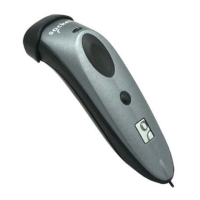
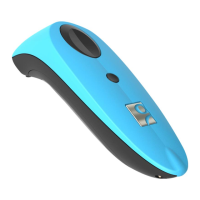
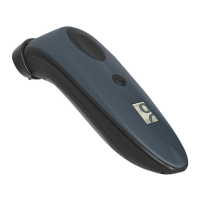
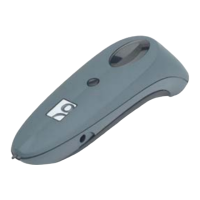
antennas to the Bluetooth Cordless Hand Scanner is prohibited. This device and its
antenna must not be co-located or operated with any other antenna or transmitter.
To comply with Industry Canada RF exposure compliance requirements, the following
antenna installation and device operating configurations must be satisfied: The
installer of this radio equipment must ensure that the antenna is located or pointed
such that it does not emit RF field in excess of Health Canada limits for the general
population; consult Safety Code 6, available at Health Canada’s website
http://www.hc-sc.gc.ca/
If this equipment does cause harmful interference to radio or television reception,
which can be determined by turning the equipment off and on, the user may try to
correct the interference by one or more of the following measures:
• Reorient or relocate the receiving antenna of the radio or television.
• Increase the distance separating the equipment and the receiver.
• Connect the equipment to an outlet on a different branch circuit than that of the
receiver.
• Consult the dealer or an experienced radio/TV technician for help.



 To Next Page