MPC-325 SERIES OPERATION MANUAL – REV. 3.20F (20200303)
containing a microsteps value be reverse ordered before/after conversion to/from a
multibyte type value (I32, U32, etc.). MATLAB automatically adjusts the endianess of
multibyte storage entities to that of the system on which it is running, so explicit byte
reordering is generally unnecessary unless the underlying platform is Big Endian. If your
development platform does not have built-in Little/Big Endian conversion functions, bit
reordering can be accomplished by first swapping positions of the two bytes in each 16-bit
half of the 32-bit value, and then swap positions of the two halves. This method efficiently
and quickly changes the bit ordering of any multibyte value between the two Endian
formats (if Big Endian, it becomes Little Endian, and if Little Endian, it becomes then Big
Endian).
10. Travel Lengths and Durations: “Move” commands might have short to long distances of
travel. If not polling for return data, an appropriate delay should be inserted between the
sending of the command sequence and reception of return data so that the next command
is sent only after the move is complete. This delay can be auto calculated by determining
the distance of travel (difference between current and target positions) and rate of travel.
This delay is not needed if polling for return data. In either case, however, an appropriate
timeout must be set for the reception of data so that the I/O does not time out before the
move is made and/or the delay expires.
11. Orthogonal Move Speed: Full speed for the “Orthogonal Move ‘M’” command is 5000
microns/sec. (5 mm/sec. or microns/millisecond) for single-axis movements (3000
µm/sec. (3
mm/sec. or
µm/ms) for MP-225/M).
12. Straight-Line Move Speeds: Actual speed for the “Straight-Line Move ‘S’“ command can
be determined with the following formula: (1300 / 16) * (sp +1), where 1300 is the
maximum speed in microns/second and “sp” is the speed level 0 (slowest) through 15
(fastest). For mm/second or microns/millisecond, multiply result by 0.001.
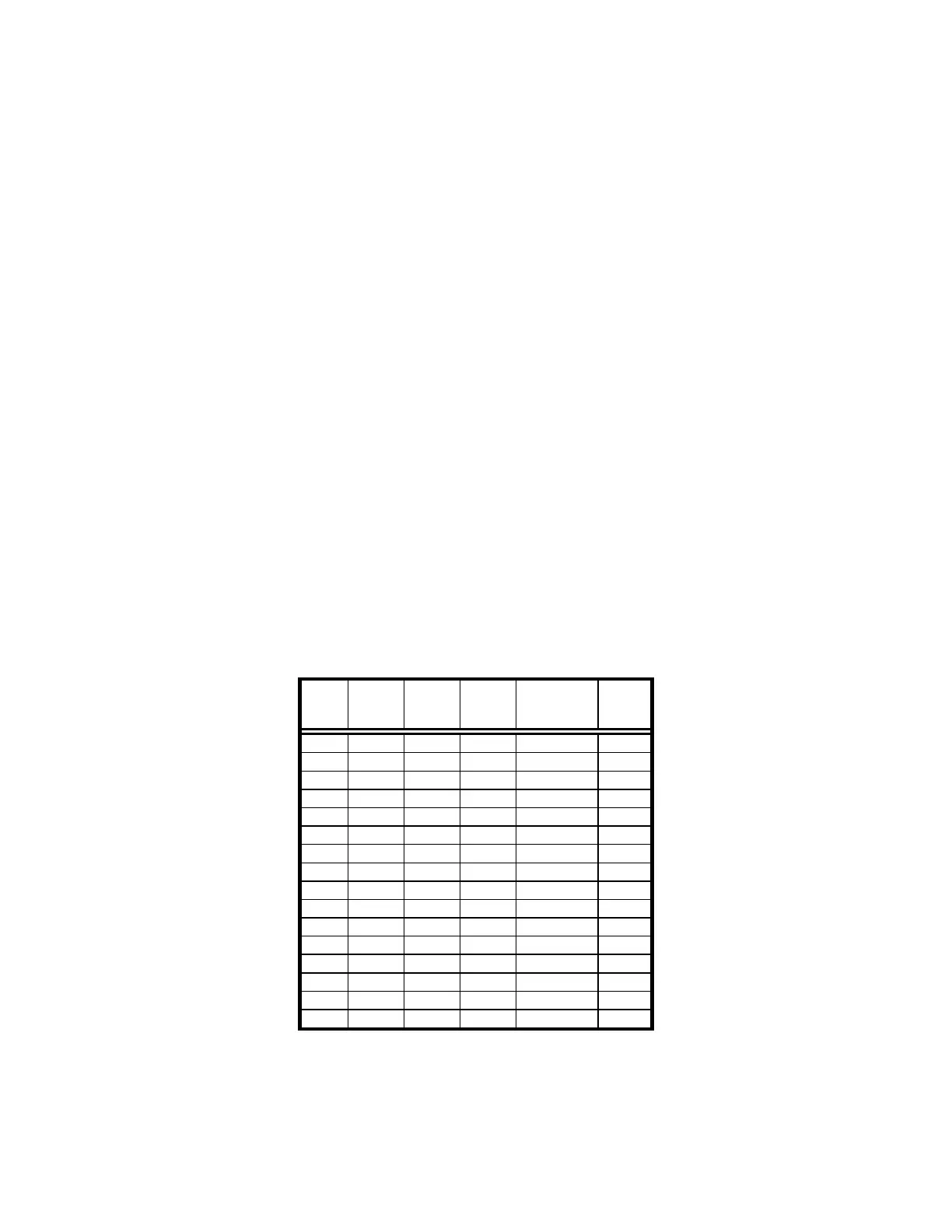
Table 5-21.Straight-line move ‘S’ command speeds.
13. Multi Axis Movement Speed Increase: Specified travel speeds are for single-axis
movements. When travel traverses a 45° diagonal within a dual-axis square, speed is
increased by 40% (x 1.4), and by 70% (x 1.7) within a triple-axis cube.


 To Next Page