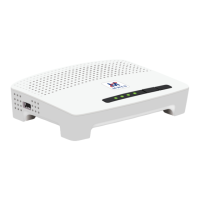
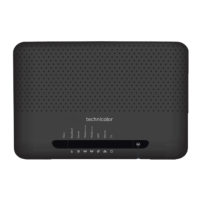
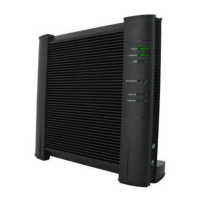
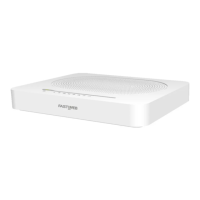
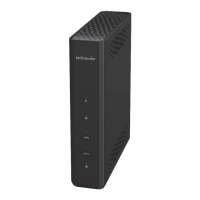
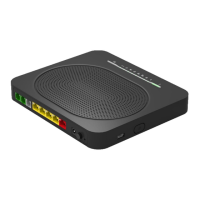
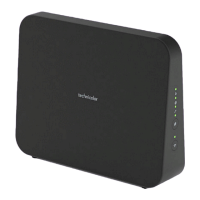
This document is a comprehensive "Wireless Networking Guide" for the Technicolor TG589 router, provided by "seethelight from sky." It aims to help users optimize their wireless network experience by offering detailed instructions and troubleshooting tips. The guide covers various aspects of wireless networking, from initial connection to advanced configuration and maintenance.
Function Description:
The Technicolor TG589 router serves as the central hub for a user's wireless network, enabling internet access for multiple devices without physical cables. It broadcasts wireless signals, allowing devices like PCs, laptops, smartphones, and other Wi-Fi-enabled gadgets to connect to the internet and communicate within the local network. The router supports both 2.4GHz and 5GHz wireless frequencies, offering flexibility and potentially better performance depending on the environment and device capabilities. Its primary function is to provide a stable and secure wireless connection, facilitating online activities such as browsing, streaming, and gaming. The guide emphasizes getting the "best from your wireless network," suggesting that the router is designed for reliable and efficient performance.
Usage Features:
The guide details several key usage features, starting with the fundamental process of connecting to a wireless network. Users can find their network name (SSID) and password (WPA2 PSK) on a sticker attached to the back of the router, simplifying the initial setup. The router supports WPA2 PSK encryption, which is highlighted as a robust security protocol for protecting the wireless network from unauthorized access.
One of the significant usage features is the ability to troubleshoot common wireless connection issues. The guide provides visual aids and practical advice on optimizing router placement to improve signal strength and reduce interference. For instance, it recommends placing the router away from thick walls, reflective surfaces (like fish tanks or mirrors), metallic objects, microwaves, cordless phones, and Bluetooth devices, all of which can degrade wireless performance. It also advises placing the router in a central, open location, not in an enclosed space or on the floor, and ensuring it is in an upright position. These tips are crucial for users to maximize the range and speed of their wireless connection.
The guide also covers advanced configuration options. Users can access the router's administration webpage via a web browser (http://192.168.1.254) using default credentials (username: admin, password: quick) to customize settings. This allows for changing the wireless channel/frequency, which is a vital feature for mitigating interference from other wireless networks in the vicinity. By manually selecting a less congested channel, users can improve their Wi-Fi speed and stability. The guide explains that the router typically auto-selects the best channel, but manual intervention can be beneficial if performance degrades.
Another important usage feature is the ability to change the Wireless Network Name (SSID) and the Encryption Type and Key (password). Changing the SSID can help resolve network connection errors or simply personalize the network name. The guide outlines different encryption types—No security, WEP, WPA, and WPA2—and strongly recommends WPA2 for its superior security. Users are encouraged to regularly change their encryption key/password to maintain network security.
For routers with firmware version 16.1, the guide introduces "Band Steering" as an advanced feature. This allows the router to intelligently manage devices across both 2.4GHz and 5GHz bands, optimizing performance by steering devices to the best available radio frequency. When enabled, Band Steering consolidates the two SSIDs into a single 2.4GHz SSID, simplifying network management for the user while the router handles the underlying frequency allocation.
Finally, the guide includes instructions for removing old wireless networks from Windows XP, Vista, 7, 8, and 10 operating systems. This feature is useful for ensuring that devices attempt to connect to the correct, current network rather than outdated or incorrect ones, which can cause connection issues.
Maintenance Features:
While the guide doesn't explicitly list "maintenance features" in a separate section, several recommendations contribute to the ongoing health and optimal performance of the wireless network, effectively serving as maintenance advice.
One such feature is the suggestion to periodically power cycle the PC/laptop and the router. This simple act can often resolve temporary glitches and improve connectivity, acting as a basic troubleshooting and maintenance step.
The advice on optimal router placement and avoiding interference sources can also be considered a form of preventative maintenance. By ensuring the router is in an ideal environment, users are proactively maintaining signal quality and preventing potential performance degradation. Regularly checking the router's physical location and ensuring it remains free from obstructions or interfering devices helps sustain its efficiency.
The recommendation to regularly change the Encryption key/password is a crucial security maintenance practice. This helps protect the network from unauthorized access over time, especially if the password has been shared or potentially compromised.
Checking the lights on the router for faults is another maintenance-related tip. The guide refers users to the internet user guide for more details on what the different lights indicate. Understanding these indicators allows users to quickly identify if there's a problem with the router's operation, such as a loss of internet connection or a Wi-Fi issue, enabling timely intervention.
Lastly, the guide suggests running anti-virus software on computers and disabling firewall software for troubleshooting purposes. While not directly related to the router itself, these are important computer maintenance steps that can impact wireless network performance and security, ensuring that the client devices are not the source of connectivity problems. The overall emphasis on troubleshooting and optimizing settings contributes to the long-term, effective operation of the wireless network.


 To Next Page
 General