Telguard TG-7FP Installation & Operating Guide 1 56052401 Rev A
General Description and Operation
The Telguard
TG-7FP is a cellular radio alarm transmission device used to provide a sole
transmission path (cellular) for commercial alarm panels. The TG-7FP can also be used as either a
Primary or Secondary Path device when an alternate communications path is connected to another
FACP-Telco interface or DACT. In such cases, the panel determines the alarm reporting path. When
transmitting an alarm signal, the TG-7FP obtains its data from the alarm panel by way of the DACT
interface. The TG-7FP will obtain all alarm signal information including monitoring station phone
number, account number and all zones for every alarm transmission. The TG-7FP handshakes with
the alarm panel and causes it to transmit the alarm data. The TG-7FP encodes the alarm data and
transmits it to the Telguard Communication Center (TCC) over the cellular network. The TCC
performs a function similar to a central station receiver and issues the transmission
acknowledgement when the last message in the transmission is received. After decoding and
reformatting, the alarm signal is routed over a telco line (Public Switched Telephone Network -
PSTN) or via the Internet (IP) to the desired alarm company central station for action.
In a typical alarm installation, the TG-7FP is installed in the same area as the host alarm system and
is connected directly to the host alarm panel via the TG-7FP -45 jack. Two programmable
zone input terminals in order to provide Telguard trouble signals to the alarm panel. Additionally,
automatic self-test and check status request signals are transmitted exclusively over the cellular
network to the Telguard Communication Center. The TG-7FP receives operating power from the
host alarm panel (either regulated 12- or 24-volt DC), and all cellular monitoring and supervisory
functions are built in. No extra modules are required.
The UL Listed equipment at the TCC plays a key role in the operation of every Telguard device. All
Telguard communicators utilize the TCC due to the panel alarm signal format encoding and
decoding requirements used in packet-data transmissions over the digital cellular network. The TCC
also manages the real-time databases for cellular accounts and a complete history of every
communicator ting conditions. These conditions include programming setup information,
cellular alarm transmission information, supervisory trouble information, status information, and
automatic self-test information.
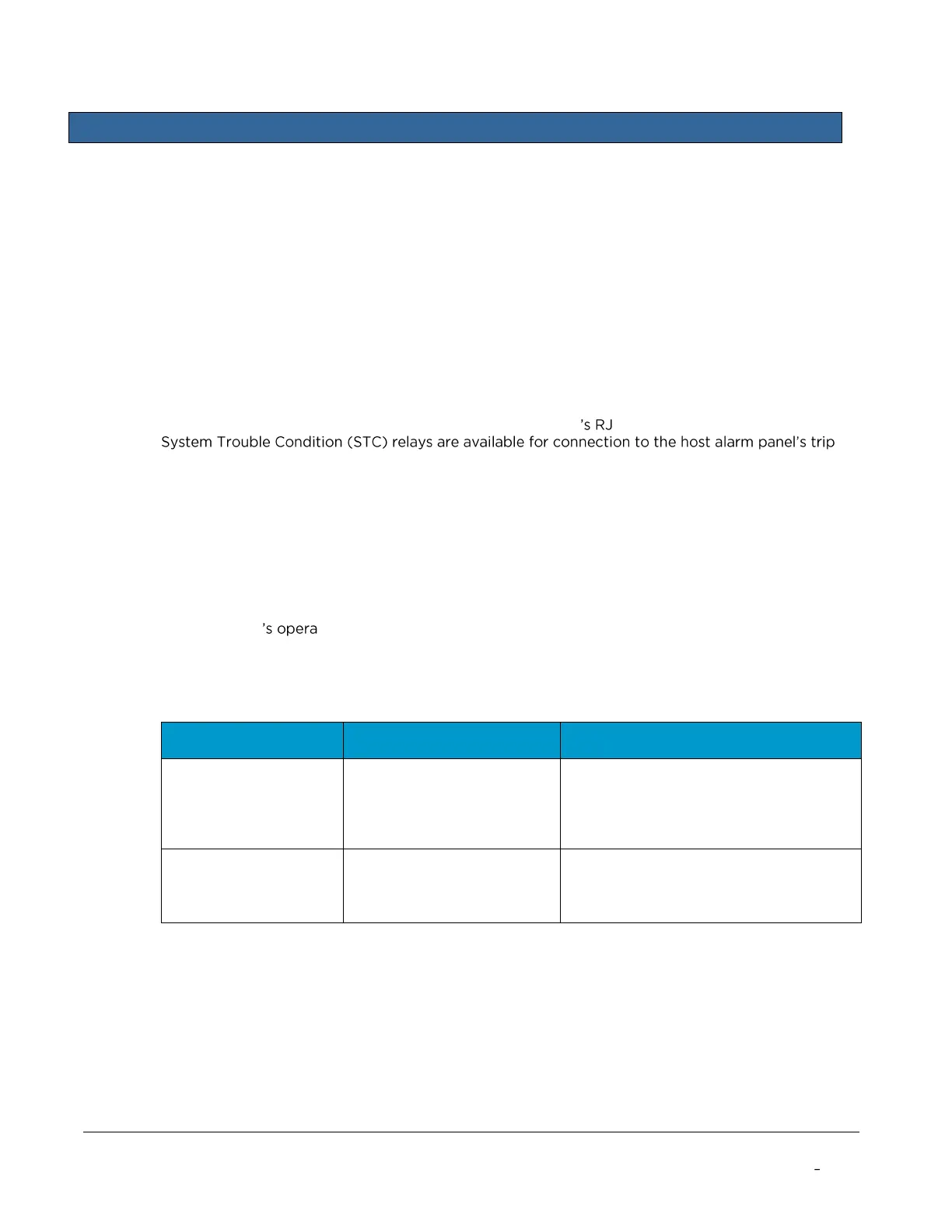
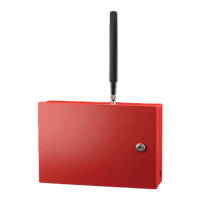
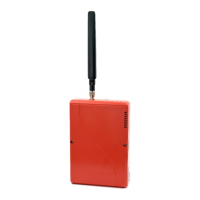
The TG-7FP is offered in two versions configured to work either with the AT&T or Verizon networks:


 To Next Page