EasyManua.ls Logo

Telstra NBN Technicolor Smart Modem Gen 2 DJA0231 - User Manual

Telstra NBN Technicolor Smart Modem Gen 2 DJA0231
6 pages
Print Icon
To Next Page IconTo Next Page
Loading...
Telstra DJA0231 Port Forwarding
Some customers have reported issues with their Telstra NBN Technicolor DJA0231 Smart Modem
Gen 2 when trying to access their cameras using the IVSEC X smartphone app.
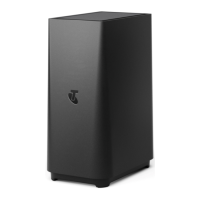
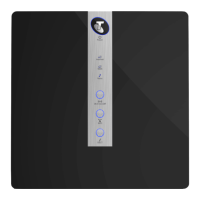
Image of Telstra DJA0232 Smart Modem Gen 2
Symptoms reported by customers include:
Cameras very slow to appear on the app or showing as “offline or connect close.
Only occurring when using 4G / 5G mobile data on their smartphone. When connected to
their home WIFI the cameras work OK on the app
Question and Answer IconNeed help?

Do you have a question about the Telstra NBN Technicolor Smart Modem Gen 2 DJA0231 and is the answer not in the manual?

Summary

Telstra DJA0231 Port Forwarding

Customer Reported Issues

Cameras slow or offline on mobile data, working fine on home Wi-Fi.

Troubleshooting and Modem Access

Steps include modem reboot, checking model, and accessing modem via IP.

WAN Services and Port Mapping

Configuring WAN services and adding new IPv4 port mappings.

Port Forwarding Configuration and Verification

Details on port forwarding setup and using canyouseeme.org to check.

Port Forwarding Results and App Update

Understanding port forwarding status and updating the IVSEC X app.

Dynamic IP Issues and Connection Solutions

Explains dynamic IP issues and offers solutions like static IP or DDNS.

Overview

The Telstra DJA0231 Smart Modem Gen 2 is a residential NBN modem/router designed to provide internet access and network connectivity. It is specifically mentioned in the context of resolving issues with accessing IVSEC X security cameras remotely, particularly when using 4G/5G mobile data.

Function Description:

The primary function of the Telstra DJA0231 Smart Modem Gen 2 is to act as a gateway for internet access, connecting to the National Broadband Network (NBN) via VDSL and providing Wi-Fi and Ethernet connectivity to local devices. It supports both 2.4GHz and 5GHz Wi-Fi bands, indicated by "Telstra7A10DA (2.4G)" and "Telstra7A10DA-5G (5G)" network names. The modem also features a mobile mode, allowing it to utilize 4G/5G mobile data as a backup or primary internet connection, as suggested by the "MOBILE MODE" and "MOBILE SIGNAL" indicators. It includes telephony capabilities, supporting registered and unregistered accounts. For advanced users, it offers features like port forwarding, DMZ (Demilitarized Zone), DynDNS (Dynamic DNS) support, and UPnP (Universal Plug and Play) rules, which are crucial for remote access to devices like security cameras. The modem also has basic firewall functionality with a "normal" firewall level.

Important Technical Specifications:

  • Model: Telstra DJA0231 Smart Modem Gen 2
  • Default IP Address: 192.168.0.1
  • Default Username: admin
  • Default Password: Telstra
  • Firmware: Example firmware version shown is 20.3.c.0329-MR19-RB (Technicolor DJA0231).
  • WAN Connectivity: Supports VDSL for NBN connection, and 4G/5G mobile data for backup or primary internet.
  • LAN Connectivity: Features Ethernet ports (indicated by "2 ethernet devices connected") and Wi-Fi (2.4GHz and 5GHz bands).
  • Wi-Fi Network Names (Example): Telstra7A10DA (2.4G), Telstra7A10DA-5G (5G).
  • Modem IP: 192.168.0.1 with a netmask of 255.255.255.0.
  • Port Forwarding: Supports IPv4 port mapping, allowing users to specify name, protocol (TCP/UDP), WAN port, LAN port, and destination IP.
  • DMZ: Available, but typically disabled by default.
  • DynDNS: Supported, but typically disabled by default.
  • UPnP: Supported, but typically no rules are active by default.
  • Telephony: Enabled, with support for registered and unregistered accounts.

Usage Features:

  • Web-based Interface: The modem is managed through a web browser by accessing its default IP address (192.168.0.1). The interface provides various sections for configuration, including Home, Broadband, Wi-Fi, Content Sharing, Parental Control, Services, User Settings, and Advanced.
  • Remote Access Configuration: A key usage feature highlighted is the ability to configure port forwarding to enable remote access to devices like IVSEC X security cameras. This involves setting up specific rules for name, protocol (e.g., TCP), WAN port (e.g., 9000), LAN port (e.g., 9000), and the destination IP address of the camera/NVR on the local network.
  • Dynamic IP Address Handling: Telstra Residential NBN services often come with dynamic IP addresses, which change periodically. This necessitates solutions like checking the current public IP address via services like whatismyipaddress.com and updating it in the IVSEC X app, or setting up a DDNS account (e.g., via noip.com) to maintain consistent remote access. Alternatively, users can contact Telstra to request a static IP address, which may be a chargeable service.

  • Mobile Data Integration: The modem seamlessly integrates 4G/5G mobile data, providing an alternative internet connection, which is particularly relevant for troubleshooting remote access issues when the primary NBN connection is not performing optimally or when testing connectivity from a mobile network.
  • Network Status Monitoring: The web interface provides real-time status updates for Broadband (DSL connection, speeds), Internet Access (WAN IP, DHCP status), Mobile (status, radio type, quality), Wi-Fi (enabled/disabled, network names), Local Network (DHCP, modem IP), and Devices (connected Ethernet and Wi-Fi devices).
  • GameOptimiser: A dedicated section for "GameOptimiser" suggests features aimed at improving online gaming performance, likely through QoS (Quality of Service) settings or similar optimizations.

Maintenance Features:

  • Firmware Updates: While not explicitly detailed as a user-initiated feature, the mention of "Firmware Number" implies that the modem receives firmware updates, likely managed by Telstra, to improve performance, security, and add new features.
  • Troubleshooting Steps: The manual outlines basic troubleshooting steps, including confirming the product model, power cycling the modem (turning it off for 30 seconds and back on), and waiting for approximately 5 minutes for the internet to reconnect before retesting the app.
  • Diagnostic Tools: The "Diagnostics" section in the web interface suggests the presence of tools to help diagnose network issues, although specific tools are not detailed in the provided images.
  • Remote Assistance: The "Management" section includes "Remote assistance disabled," indicating a feature that allows Telstra support to remotely access and manage the modem, which can be enabled or disabled by the user for maintenance purposes.
  • User Settings: A "User Settings" section is available in the advanced menu, likely for managing modem login credentials, time settings, or other user-specific configurations.
  • BYO Modem/Router Option: The document suggests that users have the option to supply and install their own modem/router, which can offer better configuration control and potentially avoid the need for complex port forwarding setups. This provides a maintenance alternative for users who prefer more control over their network hardware.
  • VPN Setup: For enhanced security, the document mentions setting up a VPN connection for remote access to NVR/cameras, although the details of this setup are not covered within this manual, suggesting it's an advanced maintenance option that may require external IT support.

Telstra NBN Technicolor Smart Modem Gen 2 DJA0231 Specifications

General IconGeneral
BrandTelstra
ModelNBN Technicolor Smart Modem Gen 2 DJA0231
CategoryModem
LanguageEnglish

Related product manuals