4-3
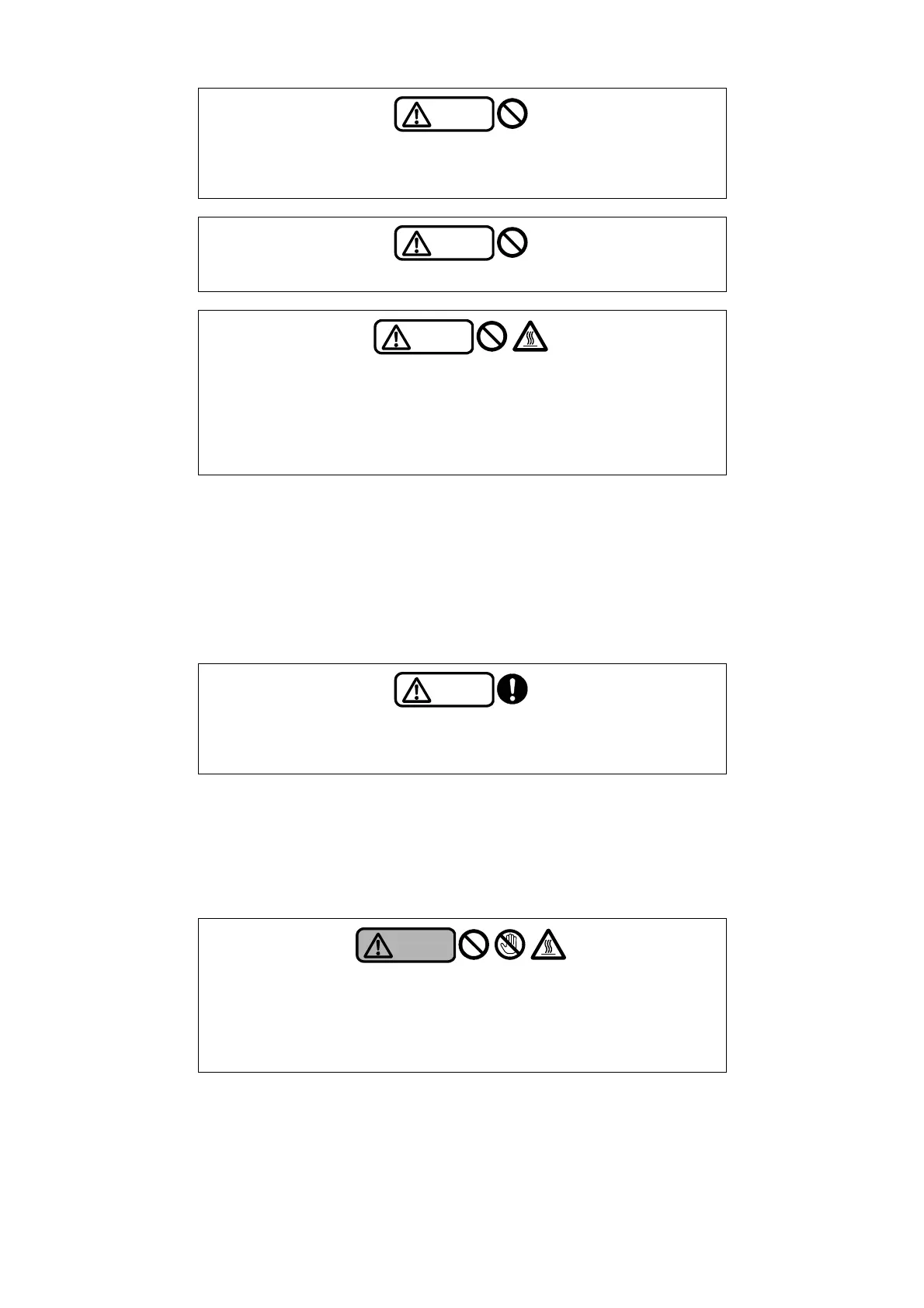
Caution
Do not check the rotational direction by the idling of the pump. Running the
pump dry even for a short time may cause breakage of the sliding parts
(e.g. bearings) in the pump, leakage or unusual noise.
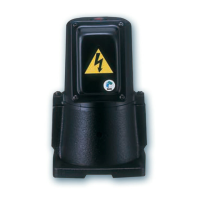
Caution
Avoid reverse rotation because it may cause failures.
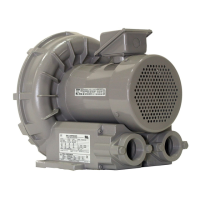
Caution
Do not run the pump dry, and do not allow a large amount of foreign matter
in the pump. Failure to observe this may cause breakage of the sliding
parts (e.g. bearings) in the pump, pumping disabled, leakage or unusual
noise. Moreover, the pump heats up and causes the operator to suffer a
burn. After installing the pump, release air through the air vent, and then
supply liquid in the pump above the lowest level.
(2) If the air vent valve is installed on the pump, slightly open the air vent valve at the time of
startup, and confirm that the liquid is discharged. After the confirmation, close the air vent valve
securely.
(3) Turn on the power to start the pump.
(4) When initially circulating the liquid by pump operation, gradually open the sluice valve on the
discharge side to perform circulation cleaning at the flow rate (flow velocity) used or higher.
After the circulation cleaning, clean the strainer.
Caution
Before restarting the pump, be sure to check that the pump has stopped
completely. Turning on the power while the pump is still rotating causes an
excessive torque on the pump and may cause failures.
(5) Adjust the sluice valve on the discharge side to the specified pressure. Restricting the
discharge of the pump will not overload the drive motor. However, if the zero discharge
operation is continued for a long time, the temperature of the liquid in the pump rises. Therefore,
secure even a small flow rate (more than 6L/min), or if the pump is kept unused for a long time,
stop the pump operation. If the temperature of liquid in the pump rises significantly, it may lead
to deterioration in a lifetime of a motor or breakage of shaft sealing device.
Warning
Avoid carrying out the zero discharge operation of the pump for a long
time.
If the zero discharge operation is continued for a long time, the
temperature of liquid in the pump rises, and unexpected failures may
occur.
(6) This pump adopts the mechanical seal-free structure (without any sealing device of the shaft
seal part). Therefore, the liquid may jump out of the side plates of the pump, but that is not a
fault of the product.


 To Next Page