EasyManua.ls Logo

Utilitech 148007 - User Manual

Utilitech 148007
6 pages
Print Icon
To Next Page IconTo Next Page
Loading...
1. Pump (A) should be located within 15 ft. of the water
source, and strainer (C) should be used at the end of
the inlet line. Attach hose adapters (B) and reinforced
suction hose (not provided) to pump. Make sure inlet
connection is air tight. NOTE: Regular garden hose
should not be used on pump (A) inlet. It will collapse
when the pump runs. Hoses that expand and contract
will not allow the pump to operate.
3. PUMP MUST BE PRIMED BEFORE USING!
Remove priming plug from the top of pump (A).
Fill pump (A) housing with clean water. Reinstall
plug.
DO NOT RUN DRY.
4. Plug in power cord to grounded outlet. Pump
(A) will prime in a few minutes, depending on
suction line length.
SW1113 B
QUICK START
GUIDE.
SEE INSTRUCTION
MANUAL FOR
COMPLETE DETAILS.
WARNING:
FOR YOUR PROTECTION, ALWAYS DISCONNECT
PUMP FROM POWER SOURCE BEFORE HANDLING.
IN
OUT
2. Attach discharge hose (not provided) to pump
(A) outlet. A standard 3/4 in. garden hose may be
used as a discharge line.
CAUTION: Keep the total length as short as
possible for best performance.
IN
OUT
5. If the pump (A) does not pump water after ve
minutes, turn o󰀨 the pump and repeat steps 1
through 3.
DO NOT RUN DRY.
ITEM #0955642
UTILITY
TRANSFER
PUMP
MODEL #
148007
Printed in China
A
B
C
Use only rigid pipe or
reinforced hose on the
pump inlet. Hoses that
expand and contract will
not allow the pump to
operate.
Toll Free Help Line: 1-866-994-4148
A
A
A
A
Question and Answer IconNeed help?

Do you have a question about the Utilitech 148007 and is the answer not in the manual?

Summary

Pump Setup and Installation

Suction Line Connection

Locate pump near source, attach strainer to inlet, and ensure airtight connection with reinforced hose.

Discharge Line Connection

Connect discharge hose to pump outlet. Use a standard garden hose and keep total length short for optimal performance.

Pump Priming and Operation

Priming the Pump

Remove plug, fill housing with clean water, and reinstall plug. Never run the pump dry.

Powering On

Plug the power cord into a grounded outlet. The pump will prime within minutes.

Troubleshooting Pump Operation

Pump Not Pumping Water

If pump fails to move water after five minutes, turn it off and repeat setup steps 1-3.

Overview

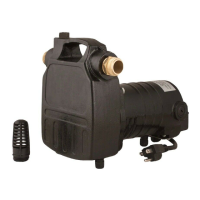
The Utilitech Utility Transfer Pump (Item #0955642, Model #148007) is designed for transferring water, requiring proper setup and priming for optimal performance. This quick start guide outlines the essential steps for its operation, emphasizing safety and correct hose connections.

Function Description:

The primary function of this device is to transfer water from one location to another. It operates as a utility transfer pump, meaning it is suitable for various water transfer tasks, such as draining pools, emptying water heaters, or removing water from flooded areas. The pump is designed to draw water through an inlet line and discharge it through an outlet line.

Important Technical Specifications (Inferred from instructions):

  • Power Source: Requires connection to a grounded outlet.
  • Inlet Line Requirement: Must use rigid pipe or reinforced suction hose (not provided) for the inlet. Regular garden hoses are explicitly warned against as they will collapse and prevent the pump from operating.
  • Inlet Line Length: The pump should be located within 15 ft. of the water source.
  • Strainer: A strainer (C) is required at the end of the inlet line to prevent debris from entering the pump.
  • Hose Adapters: Hose adapters (B) are used to connect the suction hose to the pump.
  • Discharge Line Requirement: A standard 3/4 inch garden hose may be used as the discharge line (not provided).
  • Priming: The pump must be primed with clean water before each use.
  • Operation Condition: The pump must not be run dry.
  • Priming Time: The pump will prime in a few minutes, depending on the suction line length.

Usage Features:

  • Setup Location: The pump (A) should be positioned within 15 feet of the water source to ensure efficient suction.
  • Inlet Connection:
    • Attach hose adapters (B) to the pump's inlet.
    • Connect a reinforced suction hose (not provided) to the adapters.
    • Ensure the inlet connection is air-tight to prevent loss of suction.
    • Crucially, do not use a regular garden hose for the inlet, as it will collapse under suction and prevent the pump from functioning. Only rigid pipe or reinforced hose should be used.
    • A strainer (C) must be used at the end of the inlet line to filter out debris.
  • Discharge Connection:
    • Attach a discharge hose (not provided) to the pump's outlet.
    • A standard 3/4 inch garden hose is acceptable for the discharge line.
    • For best performance, keep the total length of the discharge hose as short as possible.
  • Priming Process:
    • Before starting, the pump must be primed.
    • Remove the priming plug located on the top of the pump (A).
    • Fill the pump (A) housing completely with clean water.
    • Reinstall the priming plug securely.
  • Power Connection:
    • Once hoses are connected and the pump is primed, plug the power cord into a grounded outlet.
    • The pump will begin to prime itself, which typically takes a few minutes, varying with the length of the suction line.
  • Troubleshooting Priming: If the pump fails to pump water after five minutes of operation, immediately turn off the pump and repeat the priming steps (steps 1 through 3). This ensures the pump is properly filled with water and all connections are secure.

Maintenance Features (Inferred from instructions):

  • Safety First: Always disconnect the pump from the power source before handling or performing any maintenance to ensure user protection. This is a critical safety warning highlighted at the beginning of the guide.
  • Avoid Dry Running: The pump is explicitly designed not to run dry. Running the pump without water can cause damage to the internal components. This implies that users should monitor water levels and ensure continuous water supply during operation.
  • Clean Water for Priming: Use clean water for priming to prevent introducing contaminants into the pump's system.
  • Strainer Use: The mandatory use of a strainer (C) on the inlet line serves as a primary maintenance feature, preventing larger particles and debris from entering and potentially clogging or damaging the pump's impeller or other internal mechanisms. Regular inspection and cleaning of this strainer would be implied for sustained performance.
  • Air-Tight Connections: Maintaining air-tight inlet connections is crucial for the pump's efficiency and longevity. Leaks can lead to air entering the system, reducing suction and potentially causing the pump to run dry or inefficiently.
  • Hose Type: The specific requirement for reinforced suction hose on the inlet is a preventative maintenance measure, as it prevents hose collapse that would otherwise lead to pump malfunction and potential damage from dry running.

In summary, the Utilitech Utility Transfer Pump is a straightforward device for water transfer, emphasizing correct setup, particularly regarding hose types and priming, to ensure safe and effective operation. Adherence to the quick start guide's instructions is essential for optimal performance and to prevent damage to the unit.

Utilitech 148007 Specifications

General IconGeneral
BrandUtilitech
Model148007
CategoryWater Pump
LanguageEnglish

Related product manuals