EasyManua.ls Logo

Weber GENESIS II EX-335 - User Manual

Weber GENESIS II EX-335
28 pages
Print Icon
To Next Page IconTo Next Page
Loading...
EX335 • SX335
Keep this Owners Manual for future reference, thoroughly read through it, and
if you have any questions please contact us today.
LP Owners Manual
53112
050621
enUS
REGISTER TODAY.
We are so glad that you have joined us on the journey to grilling greatness. Register
your grill and gain access to fun and engaging WEBER information, including tips, tricks
and how to get the most out of your grilling experience.
PHONE APP EMAIL weber.com

Other manuals for Weber GENESIS II EX-335

Question and Answer IconNeed help?

Do you have a question about the Weber GENESIS II EX-335 and is the answer not in the manual?

Summary

Important Safety Information and Warnings

Safety Definitions: DANGER, WARNING, CAUTION

Explains the meaning of DANGER, WARNING, and CAUTION labels for hazard severity.

Gas Leak Procedures and Precautions

Outlines steps to take if gas is smelled and general safety warnings.

Installation and Storage Safety Guidelines

Covers safe installation practices, LP tank storage, and non-use guidelines.

Weber Grill Warranty and Promise

Warranty Coverage and Duration

Details the product warranty, its coverage, and duration for materials and workmanship.

Owner Responsibilities for Warranty Validity

Outlines user duties, like proper assembly and maintenance, for warranty validation.

Warranty Exclusions and Disclaimers

Lists conditions that void the warranty and states limitations on liability.

GS4 High Performance Grilling System

Getting Started with LP Gas and Connections

Safe LP Tank Handling and Storage

Provides essential safety tips for handling, transporting, and storing LP tanks.

LP Tank Installation Procedures

Installing the LP Tank Step-by-Step

Provides a step-by-step guide for securely connecting the LP tank to the grill.

Gas Leak Checking Procedures

Purpose of Gas Leak Checks

Explains the necessity of performing leak checks after installation.

Performing Gas Leak Checks

Details the procedure for checking fittings with a soap and water solution.

Critical Gas Leak Safety Warnings

Emphasizes safety warnings regarding gas leaks, fire, and explosion hazards.

Grill Operation: First Use and Daily Checks

Grill Preheating Importance and Steps

Explains the importance of preheating and the steps involved.

Igniting the Genesis II Grill

Electronic Ignition System Guide

Step-by-step instructions for igniting the grill using the electronic ignition system.

Setting Notifications and Using Probes

Food Temperature Probes Usage Guide

Detailed steps for using food temperature probes to monitor food doneness.

Troubleshooting Grill Ignition Issues

Burner Ignition Failure Diagnosis

Identifies symptoms and causes for main and side burner ignition problems.

Match Lighting Procedure for Main Burners

Steps to ignite main burners using a match if electronic ignition fails.

Match Lighting Procedure for Side Burner

Steps to ignite the side burner using a match if electronic ignition fails.

Troubleshooting Gas Flow and Flame Issues

Gas Flow Symptoms and Solutions

Addresses issues like uneven heating, low flame, or erratic burner patterns.

Identifying Gas Leak Symptoms and Causes

Identifies signs of gas leaks, such as hissing sounds, and their potential causes.

Checking Electronic Ignition System Components

Battery Status Check for Ignition

Steps to verify the battery status and connection for the ignition system.

Ignition Wire Connection Verification

Verifying ignition wire connections to the ignition button and module.

Troubleshooting Power and Connectivity Issues

Loss of Power Symptoms and Solutions

Addresses issues with the WEBER CONNECT module and control knobs not turning on.

Replacing WEBER CONNECT Batteries

Instructions for replacing the D batteries in the WEBER CONNECT module.

Error Code Display Management

Guidance on what to do when an error code appears on the digital display.

WEBER CONNECT Wiring Diagram

WEBER CONNECT Wire Chart Overview

Visual guide illustrating the wire connections for the WEBER CONNECT module.

Genesis II Replacement Parts Identification

Illustrated Parts Diagram

An illustrated breakdown of grill components for identifying replacement parts.

Overview

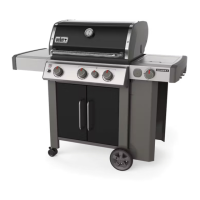
This document describes the Weber Genesis II EX-335 and SX-335 gas grills, focusing on their functions, usage, and maintenance. These grills are designed for outdoor use and incorporate advanced features to enhance the grilling experience.

Function Description

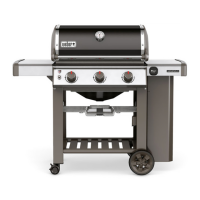
The Weber Genesis II EX-335 and SX-335 are high-performance gas grills equipped with the GS4 Grilling System, designed to provide consistent heat distribution and exceptional flavor. The primary function of these grills is to cook food outdoors using liquid propane (LP) gas. They feature multiple burners, a sear zone, and a side burner, offering versatility for various cooking techniques.

A key feature is the integrated WEBER CONNECT technology, which allows users to monitor and control their grill remotely via a smart device. This system provides real-time updates on grill and food temperatures, ensuring perfectly cooked meals. The grill also includes a grease management system to prevent flare-ups and simplify cleanup.

Usage Features

Ignition and Heat Control

The grills are equipped with an Infinity Ignition system, ensuring reliable ignition of the burners. Each control knob operates an individual burner, allowing for precise temperature control across the cooking surface. Burners are ignited from left to right, and all main burners should be lit for preheating. The sear zone, designed for intense heat, can be used to quickly add sear marks to meat. The side burner allows for simmering sauces or sautéing vegetables while the main course cooks.

WEBER CONNECT Technology

The WEBER CONNECT module provides a dashboard display for visual temperature checks, notifications, and connectivity status. Users can download the WEBER CONNECT app to their smart device to access features such as:

  • Remote Grill Monitoring: Monitor grill and food temperatures via Bluetooth® or Wi-Fi.
  • Step-by-Step Grilling: Receive notifications for flipping, resting, and serving food, along with countdowns.
  • App-Enabled Food Thermometers: Monitor food doneness from beginning to end with included food temperature probes.
  • Recipes and Instructions: Access Weber recipes and cook programs with real-time, step-by-step grilling instructions.
  • LP Tank Monitoring: The module displays fuel level notifications when an LP tank is installed on the fuel scale.

Cooking Methods

The grills support both direct and indirect heat grilling.

  • Direct Heat: Ideal for small, tender pieces of food that cook in less than 20 minutes, such as hamburgers, steaks, and fish fillets. The fire is directly below the food, searing surfaces and developing flavors.
  • Indirect Heat: Suitable for larger cuts of meat or delicate foods that require longer cooking times (20+ minutes) or might dry out/scorch with direct heat, such as roasts, whole poultry, and ribs. Heat is applied from the sides or one side of the grill, with food placed over the unlit section of the cooking grate.

Convenience Features

  • Tuck-Away Warming Rack: Keeps food warm or toasts buns and folds down for easy storage.
  • Porcelain-Enameled, Cast Iron Cooking Grates: Provide even heat distribution and superior heat retention.
  • Lighted Control Knobs: Offer optimal control for night-time grilling.
  • Side Tables with Integrated Tool Hooks: Keep platters, seasonings, and grilling tools within reach and organized.
  • Fuel Gauge: An easy-to-read gauge indicates the amount of LP fuel remaining.
  • Side Mounted Gas Tank: Facilitates easy access and removal of the LP tank.
  • Grill Cabinet: Provides enclosed storage for grilling tools and accessories.

Maintenance Features

Regular maintenance is crucial for optimal grill performance and longevity.

Meal-to-Meal Maintenance

  • Grease Management System: Before each use, check and clean the slide-out grease tray and catch pan to prevent grease build-up and fires. Remove excess grease with a plastic scraper and replace disposable drip pans as needed.
  • Hose Inspection: Routinely inspect the fuel supply hose for cracks, abrasions, or cuts. Replace damaged hoses with WEBER authorized parts.
  • Preheating and Grate Cleaning: Preheat the grill with all burners on high for 15 minutes to burn off residue. After preheating, brush the cooking grates with a stainless steel bristle grill brush.

Regular Cleaning

  • Lid Cleaning: Periodically brush carbonized grease from the inside of the lid with a stainless steel bristle grill brush. For minimal build-up, wipe the lid with a paper towel while the grill is still warm.
  • FLAVORIZER BARS Cleaning: Scrape the FLAVORIZER BARS with a plastic scraper and brush with a stainless steel bristle grill brush to prevent flare-ups and protect burners.
  • Burner Cleaning: Clean burner ports with a stainless steel bristle grill brush, avoiding damage to the ignition electrode. Clean spider/insect screens on the burner ends with a soft bristle brush to ensure proper oxygen flow.
  • Heat Deflector Cleaning: Scrape heat deflectors with a plastic scraper and brush with a stainless steel bristle grill brush to maintain even heat distribution.
  • Cookbox Cleaning: Scrape debris from the sides and bottom of the cookbox into the grease tray opening to prevent accumulation that could cause fires.
  • Exterior Cleaning:
    • Stainless Steel Surfaces: Clean with a non-toxic, non-abrasive stainless steel cleaner or polish and a microfiber cloth, cleaning in the direction of the grain.
    • Painted, Porcelain-Enameled, and Plastic Components: Clean with warm soapy water and paper towels or cloth, then rinse and dry thoroughly.
    • Grills in Unique Environments: For grills exposed to harsh conditions (e.g., acid rain, pool chemicals, salt water), clean the exterior more often with warm soapy water, rinse, dry, and consider weekly application of stainless steel cleaner.
  • Cabinet Interior: Wipe with a soft, damp cloth, being careful around electronic components.

LP Tank Maintenance

  • Leak Checking: After installing a new or refilled LP tank, perform a leak check using a soap and water solution on all fittings (regulator to tank, hose to bulkhead, bulkhead to corrugated gas line). If bubbles appear, address the leak before operating the grill.
  • Tank Storage: Store LP tanks outdoors, out of reach of children, and not in enclosed spaces. Disconnect and remove the LP tank if storing the grill indoors.

WEBER CONNECT Module Maintenance

  • Food Temperature Probe Care: Clean probes with water and a damp cloth. Do not submerge probes in water or use a dishwasher. Store indoors when not in use.
  • Battery Replacement: If the WEBER CONNECT module or control knobs do not turn on, check and replace the six D alkaline batteries located in the cabinet. Ensure plastic protective wraps are removed from new batteries and that batteries are installed correctly.
  • Wire Connections: Verify that all ignition wires are securely connected to the ignition button terminals and the ignition module.

The manual emphasizes the importance of following all safety warnings and instructions to ensure safe and proper operation of the grill. It also advises against using non-genuine Weber parts, as this will void the warranty.

Weber GENESIS II EX-335 Specifications

General IconGeneral
Main Burners3
Total Cooking Area669 square inches
BTU-per-hour Input39, 000 BTU
Sear Station BurnerYes
Side BurnerYes
Side Burner BTU-per-hour Input12, 000 BTU
Dimensions - Lid Open62"H x 59"W x 31"D
Dimensions - Lid Closed47"H x 59"W x 29"D
Smart TechnologyYes
Primary Cooking Area513 square inches
Warming Rack Area156 square inches
iGrill 3 CompatibilityYes
Gourmet BBQ System GratesYes
Fuel TypeLiquid Propane
IgnitionElectronic
Warranty10 years
Grill MaterialPorcelain-enameled cast iron

Related product manuals