EasyManua.ls Logo

Weber Genesis II E-335 - User Manual

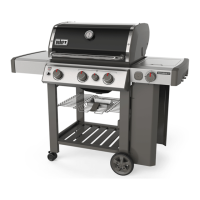
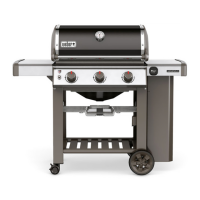
Weber Genesis II E-335
24 pages
Print Icon
To Next Page IconTo Next Page
Loading...
E335 • E435 • S435
Keep this Owners Manual for future reference, thoroughly read through it, and
if you have any questions please contact us today.
LP Owners Manual
REGISTER today
51749
122019
enIL - English
Unlock barbecuing happiness: Register your GENESIS II gas grill and receive special
content to make you the ultimate backyard hero.
Registration is easy and we only ask a few quick questions. In less than two minutes,
activate your unique WEBER-ID, and unlock a lifetime of WEBER knowledge and guidance.
Stay inspired along the way.
PHONE MOBILE EMAIL ONLINE

Other manuals for Weber Genesis II E-335

Question and Answer IconNeed help?

Do you have a question about the Weber Genesis II E-335 and is the answer not in the manual?

Summary

Register Your Grill

Critical Safety Guidelines

Safety Alert Definitions

Explains DANGER, WARNING, and CAUTION terms.

General Safety Precautions

Covers gas safety, flammable liquids, and cylinder handling.

Safe Use and Storage

Rules for installation, operation, and storage.

Welcome Message

The Weber Promise and Warranty

Owners Responsibilities and Claims

Outlines owner's duties and warranty claim process.

Warranty Exclusions and Disclaimers

Details limitations and conditions of the warranty.

Genesis II Product Features

GS4 Grilling System Components

Details the Infinity Ignition, Burners, Flavorizer Bars, and Grease Management.

Key Grill Features (A-H)

Explains Built-in Thermometer, Warming Rack, Grates, Side Tables, Sear Station, iGRILL, Side Burner, Cabinet.

Grilling Tips and Techniques

Direct vs. Indirect Heat Cooking

Explains cooking methods using direct and indirect heat.

Essential Grilling Accessories

Highlights the importance of timers and barbecue mitts.

Barbecuing Best Practices

Preparation and Grill Space

Advice on preheating, cleaning, and grill space management.

Cooking Techniques and Tips

Tips on peeking, flipping, heat management, and experimentation.

Getting Started with LP Gas

LP Gas and Cylinder Safety

Covers LPG properties, safe handling, and cylinder requirements.

Regulator and Hose Guidelines

Explains regulator function and hose requirements.

Burner Orifice Sizes and Consumption Data

Technical specifications for burner orifices and gas consumption.

LPG Cylinder Installation and Leak Checking

Connecting the Regulator and Cylinder Placement

Step-by-step guide for attaching regulator and positioning cylinder.

Performing Gas Leak Checks

Leak Testing Procedures

How to test fittings for gas leaks using soap solution.

Gas Leak Safety Warnings

Critical dangers associated with gas leaks and emergency procedures.

Interpreting Leak Test Results

Addressing Identified Leaks

How to identify and address leaks at different connection points.

Disconnecting the Regulator Safely

Procedure for safely removing the regulator from the cylinder.

Grill Operation Basics

Initial Grill Burn-Off Procedure

Instructions for the initial heat-up process before first use.

Routine Maintenance and Hose Inspection

Steps for meal-to-meal cleaning and checking the gas hose.

Grill Preheating and Grate Cleaning

Importance of preheating and cleaning cooking grates.

Igniting the Grill

Using Electronic Ignition System

Step-by-step guide for lighting burners with electronic ignition.

Extinguishing Grill Burners

How to safely turn off the burners and gas supply.

Using the Sear Station

Searing Technique and Tips

How to use the sear station for high-temperature searing and best results.

Extinguishing Sear Station Burners

Procedure for turning off the sear station and main burners.

Igniting the Side Burner

Electronic Ignition for Side Burner

Steps for lighting the side burner using electronic ignition.

Extinguishing Side Burner

How to turn off the side burner and gas supply.

Product Care and Maintenance

Cleaning Internal Grill Components

Cleaning the lid, grates, Flavorizer Bars, and burners.

Grill Exterior and Grease System Care

Cleaning Heat Deflectors and Cookbox

Cleaning internal components like heat deflectors and the cookbox.

Grease Management System Cleaning

Instructions for cleaning the grease tray and catch pan.

Cleaning Exterior Surfaces

Methods for cleaning stainless steel, painted, and plastic surfaces.

Troubleshooting Grill Ignition Issues

Burner and Side Burner Ignition Failures

Addresses problems with main burners and side burner ignition.

Manual Lighting Procedures

Step-by-step guide for lighting burners with a match.

Troubleshooting Gas Flow and Flame Problems

Addressing Gas Flow and Flame Issues

Solutions for uneven heating, low flame, and erratic flame patterns.

Gas Leaks and Hissing Sounds

How to detect and respond to gas leaks.

Troubleshooting Other Grill Issues

Lid Peeling and Flare-Ups

Addresses lid peeling appearance and flare-ups due to grease.

Electronic Ignition System Checks

Troubleshooting the battery, wires, and earth connection.

Barbecuing Guide

Red Meat and Poultry Cooking Times

Guidelines for cooking times of various red meats and poultry cuts.

Seafood and Vegetable Cooking Times

Guidelines for cooking times of seafood and vegetables.

Replacement Parts List

Replacement Parts List (E-435;S-435)

Overview

This document describes the Weber Genesis II E-335, E-435, and S-435 gas grills, which are designed for outdoor barbecuing. The manual emphasizes safety, proper operation, and maintenance to ensure a long-lasting and enjoyable grilling experience.

Function Description

The Weber Genesis II grill is a high-performance gas barbecue system designed to deliver an exceptional outdoor cooking experience. It utilizes the GS4 Grilling System, which includes several key components working together to ensure consistent heat, even cooking, and enhanced flavor. The grill is fueled by Liquefied Petroleum Gas (LPG) and features multiple burners for versatile cooking methods. It is intended for private, outdoor use only and is not suitable for commercial, communal, or multi-unit settings. The grill's primary function is to cook food through direct or indirect heat, allowing for a wide range of culinary applications from searing steaks to slow-roasting poultry.

Usage Features

The Genesis II grill offers a variety of features to enhance the user's grilling experience:

  • GS4 Grilling System: This core system includes:
    • Infinity Ignition: Guarantees ignition every time, ensuring the grill is ready for use quickly.
    • Burners: Uniquely tapered to deliver consistent gas flow and ultimate heat distribution across the cooking grates, promoting even cooking.
    • Flavorizer Bars: Angled stainless steel bars designed to catch drippings, which then smoke and sizzle, adding a distinct smoky flavor to the food and preventing flare-ups.
    • Grease Management System: Funnels drippings away from the burners into a disposable drip tray located within a removable catch pan, simplifying cleanup and preventing grease fires.
  • Built-In Thermometer: Allows users to monitor the internal temperature of the grill, enabling precise heat adjustments for optimal cooking.
  • Tuck-Away Warming Rack: A versatile rack that can be used to keep food warm, toast buns, or folded down when not in use for easy storage. It can be adjusted by lifting and rotating.
  • Stainless Steel Cooking Grates: Durable and built to last, these premium grates provide an excellent cooking surface.
  • Side Tables with Integrated Tool Hooks: Offer convenient space for platters, seasonings, and essential grilling tools, keeping them within arm's reach and organizing the backyard workspace.
  • Sear Station: Designed to create an intense heat zone for quickly adding sear marks to meat, caramelizing the surface for a more desirable flavor. It works in tandem with adjacent main burners.
  • iGrill 3 Compatible: The grill is compatible with the iGrill 3 app-connected thermometer (accessory sold separately), which monitors food temperature in real-time and displays it on a mobile device.
  • Side Burner: A dedicated burner for simmering BBQ sauces or sautéing vegetables while the main course cooks under the lid.
  • Grill Cabinet: Provides enclosed storage space for grilling tools and accessories.
  • Direct and Indirect Heat Methods: The grill supports both direct heat for small, tender foods (e.g., hamburgers, steaks) and indirect heat for larger cuts or delicate foods (e.g., roasts, whole poultry), offering flexibility in cooking.
  • Timer: Users are encouraged to set a timer to avoid overcooking.
  • Barbecue Mitts: The use of heat-resistant barbecue mitts or gloves (conforming to EN 407, Contact Heat rating level 2 or greater) is recommended for safe operation.

Maintenance Features

Regular cleaning and maintenance are crucial for the grill's performance and longevity:

  • Meal-to-Meal Maintenance: Simple steps to perform before each grilling session:
    • Check for Grease: Inspect the slide-out grease tray and catch pan for excessive grease build-up and remove it to prevent fires. Disposable drip pans should be replaced as needed.
    • Inspect the Hose: Routinely check the gas supply hose for any signs of cracking, abrasions, or cuts. Damaged hoses must be replaced with Weber-authorized parts.
    • Preheat the Grill: Preheating is essential to prevent food from sticking, sear properly, and burn off residue from previous meals.
    • Clean the Cooking Grate: After preheating, brush the grates with a stainless steel bristle grill brush to remove any food bits or debris.
  • Thorough Cleaning (Recommended at least twice a year, quarterly with consistent use):
    • Cleaning the Lid: Brush carbonized grease from the inside of the lid with a stainless steel bristle grill brush. Wiping with a paper towel while the grill is still warm can minimize build-up.
    • Cleaning the Flavorizer Bars: Scrape with a plastic scraper and, if necessary, brush with a stainless steel bristle grill brush. Gloves are recommended due to rough surfaces that can form over time. Do not clean in a sink, dishwasher, or self-cleaning oven.
    • Cleaning the Burners:
      • Burner Ports: Use a clean stainless steel bristle grill brush to clean the outside of the burners, avoiding damage to the ignition electrode. Do not insert sharp objects into the port holes.
      • Spider Screens: Clean the stainless steel spider/insect screens on the ends of the burners using a soft bristle brush to prevent obstructions to oxygen flow.
    • Cleaning the Heat Deflectors: Scrape with a plastic scraper and, if necessary, brush with a stainless steel bristle grill brush to ensure even heat distribution.
    • Cleaning the Cookbox: Scrape debris from the sides and bottom of the cookbox into the grease management system.
    • Cleaning the Outside of the Grill:
      • Stainless Steel Surfaces: Clean with a non-toxic, non-abrasive stainless steel cleaner or polish and a microfiber cloth, cleaning in the direction of the grain. Avoid abrasive pastes.
      • Painted, Porcelain-Enameled, and Plastic Components: Clean with warm soapy water and paper towels or cloth, then rinse and dry thoroughly.
      • Grills in Unique Environments: For grills exposed to harsh conditions (e.g., acid rain, pool chemicals, salt water), more frequent cleaning with warm soapy water, rinsing, and thorough drying is recommended, along with weekly application of stainless steel cleaner to prevent rust.
  • Leak Checking: A leak check must be performed each time an LPG cylinder is refilled and reinstalled, using a soap and water solution on fittings. Never use a flame to check for leaks.
  • Hose Assembly Replacement: It is recommended to replace the gas hose assembly every five years, or sooner if country requirements dictate. Only use genuine Weber-Stephen replacement parts.

Weber Genesis II E-335 Specifications

General IconGeneral
Main Burners3
Total Cooking Area669 square inches
BTU-per-hour Input39, 000
Side Burner BTU-per-hour12, 000
Sear Station Burner BTU-per-hour9, 000
Fuel TypeLiquid Propane (LP)
Dimensions - Lid Closed47"H x 59"W x 29"D
Primary Cooking Area513 square inches
Warming Rack Area156 square inches
Stainless Steel BurnersYes
Grill GratesPorcelain-enameled cast iron
Side Tables2
Warranty10 years
Ignition TypeElectronic
Lid MaterialPorcelain-enameled

Related product manuals