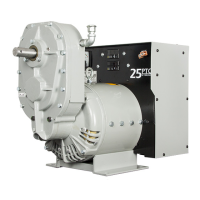
25 OPM-171/B
COMPRESSOR
Problem Possible Causes
System does not start No electricity, verify voltage at
solenoid
System difficult to start Verify engine speed is correct
Compressor is flooded with oil
System has not been discharged
Oil too viscous
Differential pressure Pressure in separator cartridge too
high with clogged or full
separator cartridge
High temp shutdowns Oil shortage
Oil filter soiled
Thermostat defective
Oil cooler soiled
Incorrect installation
1. Room ventilation
2. Exhaust air blocked
3. Thermal short circuit
Safety valve blows off Safety valve defective
Fine separator cartridge soiled
System does not relieve continuous
operation
System does not switch off
automatically (drop-out mode)
Freeze up of pressure switch due to
starting compressor before
engine is fully warmed up
Oil in compressed air Oil extraction line with nozzle in oil
sight glass soiled
Fine separator cartridge defective
Oil in oil reservoir too high; possibly
excessive condensation
System does not discharge
during continuous operation,
system does not switch off
automatically in case of
intermittent operations, i.e.
safety valve blows off
Upper switching point of network
pressure monitor set too high
Solenoid valve defective - Relief
valve defective
Minimum pressure valve jammed
System continually discharges,
low feed quantity
Solenoid valve defective - Relief
valve defective
Break in electric supply line to
solenoid valve
No or insufficient feed quantity Intake filter soiled
Oil shortage
Intake control valve does not open
Leaks in system
Control valve does not close Pressure switch or control valve
Oil exits through intake control
valve during stop
Sealing surface on intake control
valve damaged, spring in intake
control valve broken
System does not relieve Solenoid valve/electrical system
Impulse-pressure relief valve
Control valve constantly
discharges
Solenoid valve/electrical system
Oil escapes during discharge
(oil foam in the separator
cartridge)
Oil type incorrect
Oil foam forms during stop
Oil level too high
TROUBLE SHOOTING
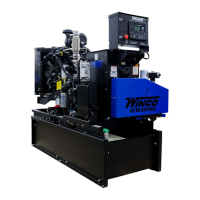
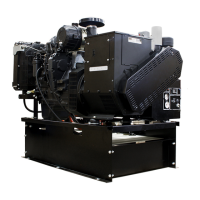
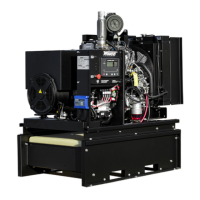
ENGINE-GENERATOR SET
Problem Possible Causes
Unit will not crank when
power fails
Digital genset not in AUTO
Transfer control switch not in
AUTOMATIC position
Incorrect wiring between ATS and
genset
Defective control relay in ATS
Fuse(s) blown in the DSE 7310
Defective DSE 7310
Loose or dirty battery terminals
Defective starter
Defective start solenoid
Low/dead battery
Engine won’t crank Low/dead battery
Blown DC fuses
Defective DSE 7310
Defective key switch
Loose or dirty battery terminals
Defective starter
Defective start solenoid
Locked up engine genset
Defective engine harness
Improper battery voltage to start
solenoid, fuel pump, or fuel
solenoid
Engine cranks but will not start Improper fuel delivery to the unit
Fuel supply shut off
Fuel tank empty
Air in the fuel system
Engine fuel solenoid has not
opened
Defective fuel pump
Defective fuel solenoid
Defective engine harness
Improper battery voltage to fuel
pump or fuel solenoid
Engine starts, then stops and
alarm light comes on
Engine oil pressure is low
Engine has high water temperature
Engine has overspeed
Engine has gone into overcrank
No output from AC generator
Loss of speed signal
Loss of run signal
Engine will not come up to
speed after it starts
Insufficient fuel volume getting to
the unit
1. Too small of fuel line
2. Fuel racks not open properly
Governor is defective
AC short in generator components
ATS will not transfer to
Emergency Supply (generator)
No AC generator output
Defective ATS control board. See
ATS manual
Circuit breaker open or defective
ATS will not re-transfer to
normal power
Proper power line not available at
line terminals in ATS panel
Defective ATS control board. See
ATS manual
No AC output from generator Defective diode
Defective voltage regulator
Defective rotor
Defective stator
Defective exciter rotor
Defective exciter stator
AC short in the output leads
Defective/open generator output
breaker
Wiring error


 To Next Page