Need help?
Do you have a question about the 3M 7500 Series and is the answer not in the manual?
Inspect facepiece for cracks, tears, dirt, and distortion, especially the face-seal area.
Examine inhalation valves for signs of distortion, cracking, or tearing.
Squeeze filter cartridges between palms/fingers without disturbing respirator position.
Inhale gently; mask collapse and no leaks indicate a proper seal.
Reposition respirator or readjust straps to eliminate detected face-seal air leakage.
Doff contaminated PPE and remove contaminated gloves.
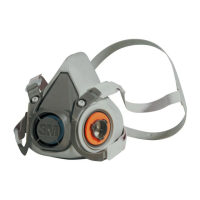
This document outlines the procedures for inspecting, donning, doffing, and cleaning the 3M 7500 Series Respirator, a critical piece of personal protective equipment designed to ensure respiratory protection in contaminated environments. The manual emphasizes the importance of proper handling and maintenance to achieve and maintain the specified respiratory protection rating.
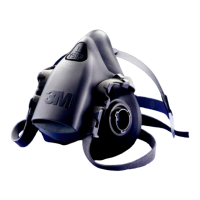
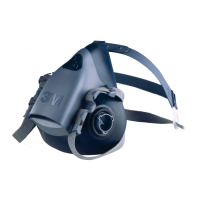
The 3M 7500 Series Respirator is a half-facepiece respirator designed to provide respiratory protection against airborne contaminants. It works by filtering the air inhaled by the user through replaceable filter cartridges, preventing the inhalation of harmful particles. The device is intended for use in situations where respiratory hazards are present, such as in emergency medical services or other environments requiring protection from airborne particulates. The respirator's effectiveness relies on a proper seal between the facepiece and the user's face, ensuring that all inhaled air passes through the filters. The 3M 7093 Filter Cartridge, specifically mentioned in the manual, is designed to seal and block airflow when compressed, indicating its role in creating an airtight system.
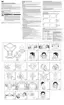
The manual details a clear and sequential "Donning Procedure" to ensure the respirator is worn correctly for optimal protection. This involves placing a halo-shaped plastic strap on the back of the head, attaching a clasp on the strap behind the neck, and then pulling all straps until the mask is firm on the face. This multi-step process aims to achieve a secure and comfortable fit.
A crucial aspect of using the respirator is the "Seal Check Procedure," which must be performed before entering any contaminated area. This procedure involves compressing both filter cartridges between the palm and fingers while being careful not to disturb the respirator's position. The user then inhales gently. A proper seal is indicated if the facepiece collapses slightly and pulls closer to the face, with no leaks detected between the face and the facepiece. If face-seal air leakage is detected, the user must reposition the respirator on the face and/or readjust the tension of the straps to eliminate the leakage. This immediate feedback mechanism is vital for ensuring the user's safety before exposure.
The "Doffing Procedure" is also meticulously outlined to minimize the risk of exposure to contaminants on the outside of the mask during removal. This procedure begins with doffing contaminated PPE and removing contaminated gloves. Subsequently, the user puts on a new pair of clean gloves. The next steps involve undoing the clasp on the strap behind the neck and locating the elastic straps near the ears to pull them out/up, removing the mask away from the user. Finally, the respirator is carefully removed and placed in an area ready for cleaning, emphasizing a controlled and hygienic removal process.
The "Inspection Procedure" is a critical pre-use maintenance step. Respirators must be inspected before each use to ensure they are in good operating condition. Any damaged or defective parts on the facepiece necessitate repair or replacement. The inspection involves several key checks:
These detailed inspection points ensure that all critical components of the respirator are functioning correctly, contributing to its overall effectiveness and safety.
The "Cleaning Procedure" is equally comprehensive, emphasizing that respirators must be thoroughly cleaned after being contaminated and at the end of each shift. If a full cleaning is not possible, Sani-Hands wipes may be used to wipe the outside of the mask for partial cleaning, with a strict instruction not to wipe the inside of the mask with the same wipe used for the outside.
The cleaning process requires specific supplies: two cleaned red buckets, Waxie 910 solution, Wipe-all towels, and Nitrile Gloves. The procedure involves:
These detailed maintenance steps ensure the respirator remains hygienic, functional, and safe for repeated use, extending its lifespan and maintaining its protective capabilities. The emphasis on specific cleaning agents, temperatures, and drying conditions highlights the precision required for proper maintenance.
 General
| Product Type | Half Facepiece Respirator |
|---|---|
| Series | 7500 Series |
| Material | Silicone |
| Size Options | Small, Medium, Large |
| Connection Type | Bayonet |
| Exhalation Valve | Yes |
| NIOSH Approval | Yes |
| Adjustable Straps | Yes |
| Filter Compatibility | 3M Filters and Cartridges |
| Weight | Varies by size |
| Use | Industrial |

 To Next Page