Repairing a perforation or rupture
Repairs should be carried out on deated or partially deated
boats.
Repairing a detached accessory
Repairs should be carried out on completely inated boats.
34
1. Clean the surface to be repaired. It must be free of dust or
any kind of grease.
2. Select a patch of tissue ate least 5 cms (2 inches) larger than
the tear.
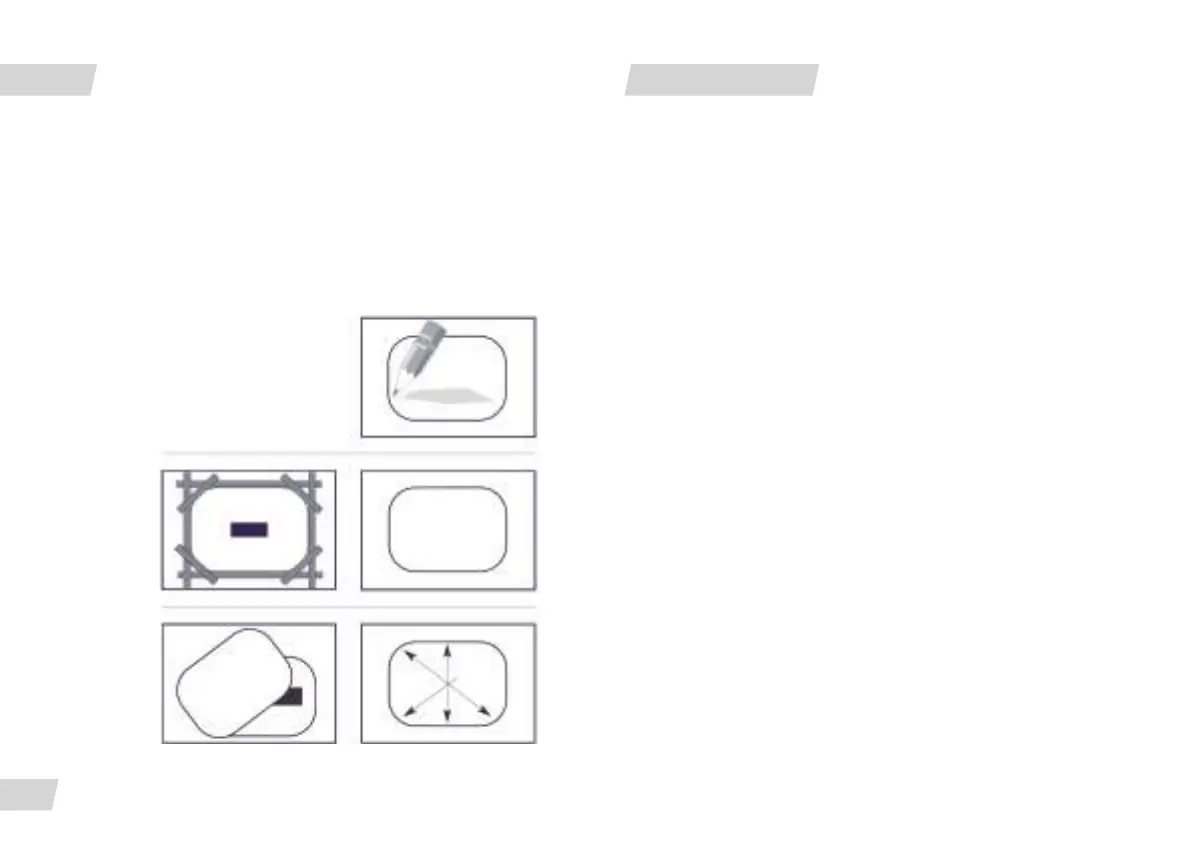
3. Place the patch over the damaged area, and contour it with
a pencil, NOT a pen or marker, as they will stain the tissue.
4. Put masking tape all around the pencil mark. The area
where the patch is going to be set must remain free of tape.
5. Very carefully with the piece of sandpaper #80 supplied,
sand the tissue. The (CSM) Coated Fabric covering the
damaged area must be removed. When a rough or uneven
surface appears, you have completed the sanding. It is
advisable not to bu distractedly as you may reach the
polyester weft. Bu likewise the (CSM) Coated Fabric patch.
6. If repairing a detached accessory remove the old glue by
bung.
7. When both surfaces have been bued you must remove all
dust for the area. You may want to use a solvent to clean the
sanded area. Once you have cleaned the rubber, DO NOT,
touch it with your ngers because you will transmit grease to
the surface, and the adhesive will not stick in these areas.
8. Prepare the glue in the following manner: 9 parts of glue +
1 part of catalyst. Mix both ingredients in a clean and dry
glass or metal container using a clear
metal or wooden stick.
MAINTENANCE & INSPECTIONS
GENERAL BOAT MAINTENANCE


 To Next Page