AWS Snowball User Guide
Receive the Snowball
Important
Review this information carefully, because incorrect information can result in unwanted
delays.
Once your job is created, you're taken to the job dashboard, where you can view and manage your jobs.
The last job you created is selected by default, with its Job status pane open.
Note
The Job created status is the only status during which you can cancel a job.
For more information on managing jobs from the AWS Snowball Management Console and tracking
job status, see Using the AWS Snowball Management Console (p. 40). Jobs can also be created and
managed with the job management API. For more information, see the AWS Snowball API Reference.
After you created your first import job, AWS processes the information you provided and prepares a
Snowball specifically for your import job into Amazon S3. During the processing stage, if there's an
issue with your job, we contact you by email. Otherwise, we ship a Snowball to the address you provided
when you created the job. Shipping can take a few days, but you can track the shipping status of the
Snowball we prepared for your job. In your job's details, you'll see a link to the tracking webpage with
your tracking number provided.
Next: Receive the AWS Snowball Appliance (p. 18)
Receive the AWS Snowball Appliance
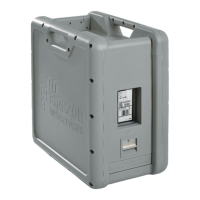
When you receive the Snowball appliance, you'll notice that it doesn't come in a box. The Snowball is
its own physically rugged shipping container. When the Snowball first arrives, inspect it for damage
or obvious tampering. If you notice anything that looks suspicious about the Snowball, don't connect
it to your internal network. Instead, contact AWS Support and inform them of the issue so that a new
Snowball can be shipped to you.
Important
The Snowball is the property of AWS. Tampering with a Snowball is a violation of the AWS
Acceptable Use Policy. For more information, see http://aws.amazon.com/aup/.
Before you connect the Snowball to your network and begin transferring data, it's important to cover a
few basic elements of your data transfer.
• The Snowball – The following is what the Snowball will look like.
18


 To Next Page