Comment
The uptake was about one fourth the values as in example 1 in order to illustrate the change in counting
time required for uptake and patient background. If the maximum set count time was 120 seconds, then
the actual counting times for the thyroid and patient background would have been 119 and 81 seconds
respectively. The standard and lab count rates were kept the same for demonstration purposes.
Note: Even though the actual count times were lower than the required time for a 2% uncertainty, the
times used (thyroid time almost 1/2 of the computed value) resulted in only an increase of 0.3%
uncertainty. This is certainly not significant, particularly in view of the low uptake where count times will
tend to be longer because of the lower count rates.
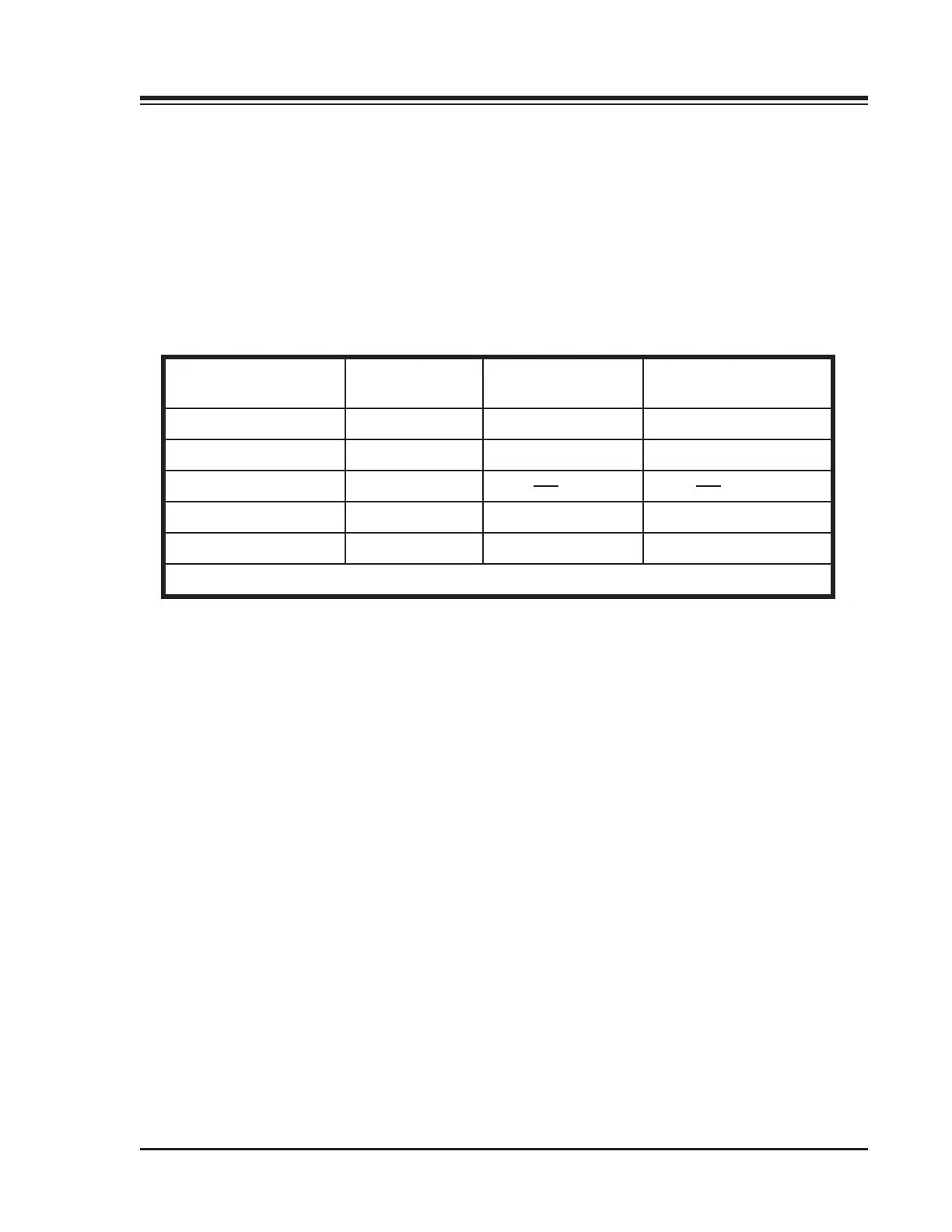
EXAMPLE 3: I-123, 6 HOUR UPTAKE, 98%, 60 SEC MAX COUNT TIME
Comment
In this example, we see much lower rates in the standard and thyroid counts. However, the standard
count time only increased by 2 seconds. The reason for this is twofold. First, the equations for time
computation derived from counting statistics are nonlinear. Second, pulse height analysis at the higher
counting rates takes a longer period of time.
The increase in lab background time is due to the increase in lab counting rate and how the standard and
lab rates are treated in the analysis. The lab is subtracted from the standard. Any error in the lab is carried
forward into the overall error, but the impact depends upon the relative counting rates. If the standard is
10,000 times higher than the lab, then a 50% uncertainty in the lab will only contribute a very small error
to the difference. As the lab rate increases with respect to the standard, its error contribution will also
increase which will require a more precise measurement of the lab.
The thyroid count time increased significantly but the actual count time again was only 60 seconds
because of the maximum time set. Note the increase in the uptake uncertainty went to 2.8%, due to the
reduction of actual counting times from time values which were required for the thyroid and patient
background measurements.
PERFORMING A THYROID UPTAKE
(See Figure 4-3.)
To Perform A Thyroid Uptake
1. Click on <Patient Definition> in the primary tool bar. Select an existing patient, edit an existing
patient, or create a new patient to test. For existing patients, proceed to step 3. If you have just
created a new patient, click on <Close>.
NOTE: You can access the Patient Definition screen from any other screen by simply clicking on <Patient
1. INTRODUCTION
4-7 THYROID UPTAKE
Measured Standard
Measured Lab Bkgnd
Decayed Standard
Measured Thyroid
Measured Pat. Bkgnd
120,000
300
(87612)
12,000
3,600
55 sec
10 sec
60 sec
60 sec
55 sec
5.3 sec
156 sec
90 sec
Uptake = 9.6% 2.8% (9.33% to 9.87%)
cpm
Actual Count
Time
Computed Auto
Time
+
-


 To Next Page