EasyManua.ls Logo

BWT WS355 - User Manual

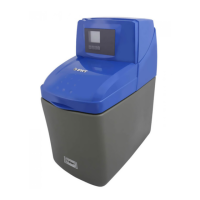
BWT WS355
20 pages
Print Icon
To Next Page IconTo Next Page
Loading...
Fitting and operating instructions EN
WS Range: WS355
WS455
WS555
WS655
WS755
BWT WS Range /09-2012 © BWT UK Limited
Changes of technical details are reserved
Important notice: Always keep the fitting and operating instructions
close at hand to avoid any mistakes and before carrying out any work
on the device, you should read the fitting and operating instructions
carefully and follow them. While our data sheets and brochures should
provide advice to the best of our knowledge, the content thereof is not
legally binding.
BWT WS Range
Water Softener
WS Cover.pdf 1 02/01/2014 13:29

Questions and Answers

Summary

Warning and Safety Instructions

Electrical, Maintenance, and Cleaning Safety

Covers electrical safety, maintenance procedures, and proper cleaning methods.

Correct Application, Operation, and Child Safety

Defines intended use, operational guidelines, and safety precautions for children.

Temperature Protection and Extended Non-Use

Advises on temperature limits and procedures for periods of extended non-use.

Introduction

Features and Benefits

Part One: Overview of the Water Softening Process

What is a Water Softener?

Describes the mechanism of ion exchange resin in softening water.

Part One: Installation and Operating Considerations

Before You Begin and Positioning the Water Softener

Guidance on preparation, positioning, and space requirements for the unit.

Loft Installation, Plumbing Systems, and Backflow Prevention

Details loft installation, plumbing types, connection recommendations, and check valve requirements.

Drinking Water Guidelines

Recommendations regarding the use of softened water for drinking and baby food.

Part One: Typical Installation Layout

Installation Diagram and Key

Visual representation and explanation of components in the installation diagram.

Part Two: Installing Your Water Softener

Positioning, Connections, and Drain Setup

Covers unit placement, pipe connections, drain hose setup, and frost protection.

Overflow Connections and Electrical Setup

Instructions for overflow piping and safely connecting the unit to power.

Brine Cabinet Salt and Blending Control

Details on filling the brine cabinet, salt usage, and adjusting water softness.

Water Hardness Testing and Initial Power On

Procedure for testing water hardness and steps for initial power-up.

Part Two: Programming Procedure

Setting Time, Hardness, and Recharge Time

Detailed steps for setting the time, water hardness, and regeneration cycle time.

Part Three: Advanced Operation and Settings

Setting Salt Type and Basic Indicators

Configures salt type, explains charge bar, display reset, power loss, flow indicator, and cleaning.

Manual Regeneration, Salt Usage, and Water Level

Procedure for manual regeneration, salt usage monitoring, and cabinet water level management.

Troubleshooting Guide

Hard Water and Brine Cabinet Overflow

Checks and solutions for issues where water remains hard or brine cabinet overflows.

No Water, Drain Flow, and Salt Usage Issues

Troubleshooting no water, continuous drain flow, and excessive salt consumption.

Electronic Display Errors and Regeneration Timing

Resolving electronic display error codes and incorrect regeneration timing.

Specification Table

Water Softener Warranty

Summary

Warning and Safety Instructions

Electrical, Maintenance, and Cleaning Safety

Covers electrical safety, maintenance procedures, and proper cleaning methods.

Correct Application, Operation, and Child Safety

Defines intended use, operational guidelines, and safety precautions for children.

Temperature Protection and Extended Non-Use

Advises on temperature limits and procedures for periods of extended non-use.

Introduction

Features and Benefits

Part One: Overview of the Water Softening Process

What is a Water Softener?

Describes the mechanism of ion exchange resin in softening water.

Part One: Installation and Operating Considerations

Before You Begin and Positioning the Water Softener

Guidance on preparation, positioning, and space requirements for the unit.

Loft Installation, Plumbing Systems, and Backflow Prevention

Details loft installation, plumbing types, connection recommendations, and check valve requirements.

Drinking Water Guidelines

Recommendations regarding the use of softened water for drinking and baby food.

Part One: Typical Installation Layout

Installation Diagram and Key

Visual representation and explanation of components in the installation diagram.

Part Two: Installing Your Water Softener

Positioning, Connections, and Drain Setup

Covers unit placement, pipe connections, drain hose setup, and frost protection.

Overflow Connections and Electrical Setup

Instructions for overflow piping and safely connecting the unit to power.

Brine Cabinet Salt and Blending Control

Details on filling the brine cabinet, salt usage, and adjusting water softness.

Water Hardness Testing and Initial Power On

Procedure for testing water hardness and steps for initial power-up.

Part Two: Programming Procedure

Setting Time, Hardness, and Recharge Time

Detailed steps for setting the time, water hardness, and regeneration cycle time.

Part Three: Advanced Operation and Settings

Setting Salt Type and Basic Indicators

Configures salt type, explains charge bar, display reset, power loss, flow indicator, and cleaning.

Manual Regeneration, Salt Usage, and Water Level

Procedure for manual regeneration, salt usage monitoring, and cabinet water level management.

Troubleshooting Guide

Hard Water and Brine Cabinet Overflow

Checks and solutions for issues where water remains hard or brine cabinet overflows.

No Water, Drain Flow, and Salt Usage Issues

Troubleshooting no water, continuous drain flow, and excessive salt consumption.

Electronic Display Errors and Regeneration Timing

Resolving electronic display error codes and incorrect regeneration timing.

Specification Table

Water Softener Warranty

Overview

This document provides fitting and operating instructions for the BWT WS Range Water Softener, designed for domestic use. The water softener aims to remove hardness minerals from water, providing softened water for household use.

Function Description

The BWT WS Range Water Softener operates by passing hard water through a cylinder containing ion exchange resin. These tiny resin beads attract and retain hardness minerals, allowing softened water to flow into the household supply. Periodically, the resin beads are automatically cleaned and regenerated by rinsing with a small amount of brine (a salt solution). The brine, along with the accumulated hardness, is then flushed away to a drain. This entire process is automated, requiring the user only to occasionally top up the water softener with salt.

At the core of the BWT WS Range Water Softener is the Millennium valve, controlled by the BWT "Advanced Memory Electronic Control System" (AMECS). AMECS is designed to meet the latest EU standards for performance, safety, and testing of water softeners, with its protocol based on BWT's extensive experience in the UK.

Important Technical Specifications

The BWT WS Range Water Softeners come in various models with different capacities: WS355, WS455, WS555, WS655, and WS755.

Dimensions (mm):

  • Height: 602 (WS355, WS555), 532 (WS455), 804 (WS655, WS755)
  • Width: 270 (all models)
  • Depth: 480 (all models)

Weight (Kg):

  • Unit weight (empty): 22 (WS355, WS555), 18 (WS455), 27 (WS655), 32 (WS755)
  • Unit weight (in service): 50 (WS355, WS555), 40 (WS455), 61 (WS655), 66 (WS755)

Flow Rates (L/min):

  • Maximum peak flow rate (hi-flo): 30 (50) (WS355, WS655, WS755), 50 (WS455, WS555)
  • Maximum continuous flow rate (hi-flo): 25 (30) (WS355, WS655, WS755), 30 (WS455, WS555)
  • Basic flow rate (flow @ 1 bar pressure loss): 26 (WS355, WS555), 24 (WS455), 28 (WS655, WS755)
  • Minimum flow rate: 10 (10) (all models). Flow rates under 10 L/min may not effectively remove hardness. Peak flow rates sustained for over 10 minutes may reduce softener capacity, leading to hard water breakthrough.

Salt and Water Usage:

  • Min/Max salt usage per regeneration (Kg): 1.2-2.4 (WS355), 0.3-1.2 (WS455), 0.6-2.0 (WS555), 0.9-2.5 (WS655), 1.2-3.0 (WS755)
  • Water used per regeneration (litres): <80 (WS355, WS555), <75 (WS455), <125 (WS655), <145 (WS755)
  • Salt storage Capacity – Block/Tablet (Kg): N/A/20 (WS355), 8/15 (WS455), 8/19 (WS555), NA/24 (WS655, WS755)
  • Maximum Softened Water Capacity (Litres): 2500 (WS355, WS555), 1667 (WS455), 3333 (WS655), 4167 (WS755)

Pressure and Temperature:

  • Maximum pressure (bar): 5.0 (all models)
  • Minimum pressure (bar): 1.7 (all models)
  • Maximum water temperature: 49°C (all models)
  • Minimum water temperature: 5°C (all models)
  • Important: Do not install the water softener where it, or its connections (including drain overflow lines), will be subject to temperatures under 5°C or above 40°C.

Electrical Connections:

  • Primary voltage a.c. (transformer): 220V (all models)
  • Secondary voltage d.c. (controller): 12V (all models)

Plumbing Connections:

  • Inlet / outlet connections (BSP): 3/4" (all models)
  • Drain connection (tube): 1/2" (all models)

Usage Features

  • Rotary Valve: Features fewer moving parts for enhanced reliability.
  • Custom Backlit Display: Easy-to-read display for user convenience.
  • Capacity Remaining Indicator: Provides an at-a-glance view of remaining softened water capacity, helping ensure a continuous supply.
  • Memory Back-up: The AMECS system can restore all key settings after a temporary power supply failure for up to 72 hours. If power loss exceeds 72 hours, the control will flash "00:00" upon power return, requiring the time of day to be reset.
  • Low Salt Alarm: An audible alarm sounds, and "SALt" is displayed as a reminder to check and refill the salt level. To reset, fill the brine tank and press the "set" key twice.
  • Low Voltage Control System: Ensures safe and efficient operation.
  • High Capacity Resin: Provides generous amounts of softened water between regenerations.
  • Proportional Brining Technology: Reduces water and salt usage for maximum efficiency. The system calculates the exact amount of water and salt needed for regeneration based on water usage patterns.
  • Blending Control: A blending knob on the left side of the valve allows users to adjust the water's softness if a less soft output is preferred.
  • Flow Indicator: During normal operation, a flow indicator flashes on the display at a rate of one litre per pulse when water passes through the softener.
  • Automatic Regeneration: The water softener automatically regenerates based on water usage patterns and hardness levels. The default recharge time is 2:00 AM, which can be adjusted.
  • Manual Regeneration: A manual regeneration can be initiated by pressing the regeneration button. A momentary press will schedule a "Recharge Tonight" at 2:00 AM. Pressing the button again will cancel this feature. Holding the button for six seconds will immediately commence a regeneration cycle that cannot be cancelled.
  • Water Hardness Test: A hardness test kit is supplied to determine the local water hardness, which is crucial for programming the softener.
  • Salt Type Setting (WS455 & WS555 only): Allows selection between Block Salt (BS) and Care Cubes (CC) for optimal performance.

Maintenance Features

  • Regular Service: The water softener benefits from regular service. Users are advised to refer to the welcome pack or contact BWT for details.
  • Cleaning: The unit should be wiped clean with a damp cloth and a mild detergent. Solvent-based or abrasive cleaning agents, bleaches, or spirits should not be used as they may damage the high gloss finish.
  • Salt Level Monitoring: It is essential to ensure the salt level in the brine cabinet does not fall below 150mm from the base for effective regeneration. The low salt alarm assists with this.
  • Water Level Check: The water level inside the cabinet will rise and fall during regeneration. Users should check the water level weekly and after any unplanned events (e.g., power failure) to ensure it does not reach the overflow connection. In case of an overflow, the water level should be reduced by half, and a manual regeneration initiated.
  • Troubleshooting Guide: A comprehensive guide is provided to address common issues such as hard water, water overflow in the brine cabinet, no water supply, constant drain flow, excessive salt usage, and electronic display errors.
  • Electrical Safety: Only the supplied transformer/plug should be used. Before use, ensure connection data matches the mains electricity supply. The unit must be isolated from electricity during installation, maintenance, and repair.
  • Frost Protection: The drain hose and connecting pipework must be protected from freezing temperatures (below 0°C) to prevent overflow.
  • Backflow Prevention: A check valve complying with BS6282 Part 1 must be fitted on the cold water feed for single dwellings. Other installations require a double check valve.

Safety Instructions

  • Compliance: The water softener complies with all relevant local and national safety requirements. Improper use voids the warranty and can lead to injury or damage.
  • Read Instructions: Instructions must be read carefully before installation and use, kept in a safe place, and passed to future users.
  • Qualified Installation: Installation should be carried out by a qualified plumber or a person with relevant plumbing experience.
  • Children Safety: Children aged 8 and above can use the appliance under supervision and instruction. Children must not play with the appliance or its contents.
  • Untreated Water Tap: UK Water Regulation guidelines recommend leaving at least one tap as a source of untreated water for drinking. Garden taps should also remain untreated.
  • Sodium Intake: Individuals on a low sodium diet should not use softened water for drinking or cooking. Softened water contains a small amount of sodium. Water for mixing powdered milk for babies must only be taken from an un-softened mains tap due to the sodium content in both powdered milks and softened water.
  • Extended Non-Use: If the property is left unattended for extended periods (e.g., holidays), the water softener should be bypassed/isolated from the mains water supply by reversing the 3 valve positions as shown in the installation diagram. After prolonged non-use, ensure inlet and outlet valves are open, the bypass valve is closed, and start a manual regeneration.
  • Loft Installation: If installed in a loft, the softener must be placed within a container of at least 100 litres capacity, connected to an overflow pipe of at least 20mm diameter. The overflow should be connected at the bottom of the container, at least 150mm below any electrical components. An anti-vacuum valve should be fitted to the inlet pipework.

BWT WS355 Specifications

General IconGeneral
BrandBWT
ModelWS355
CategoryWater Dispenser
LanguageEnglish

Related product manuals