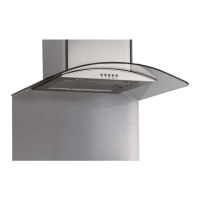
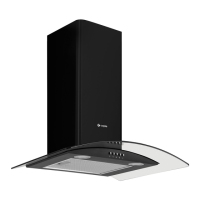
Instruction manual CSB606 CSB706 CSB906 CSB1006
Please keep this instruction manual for future reference
7
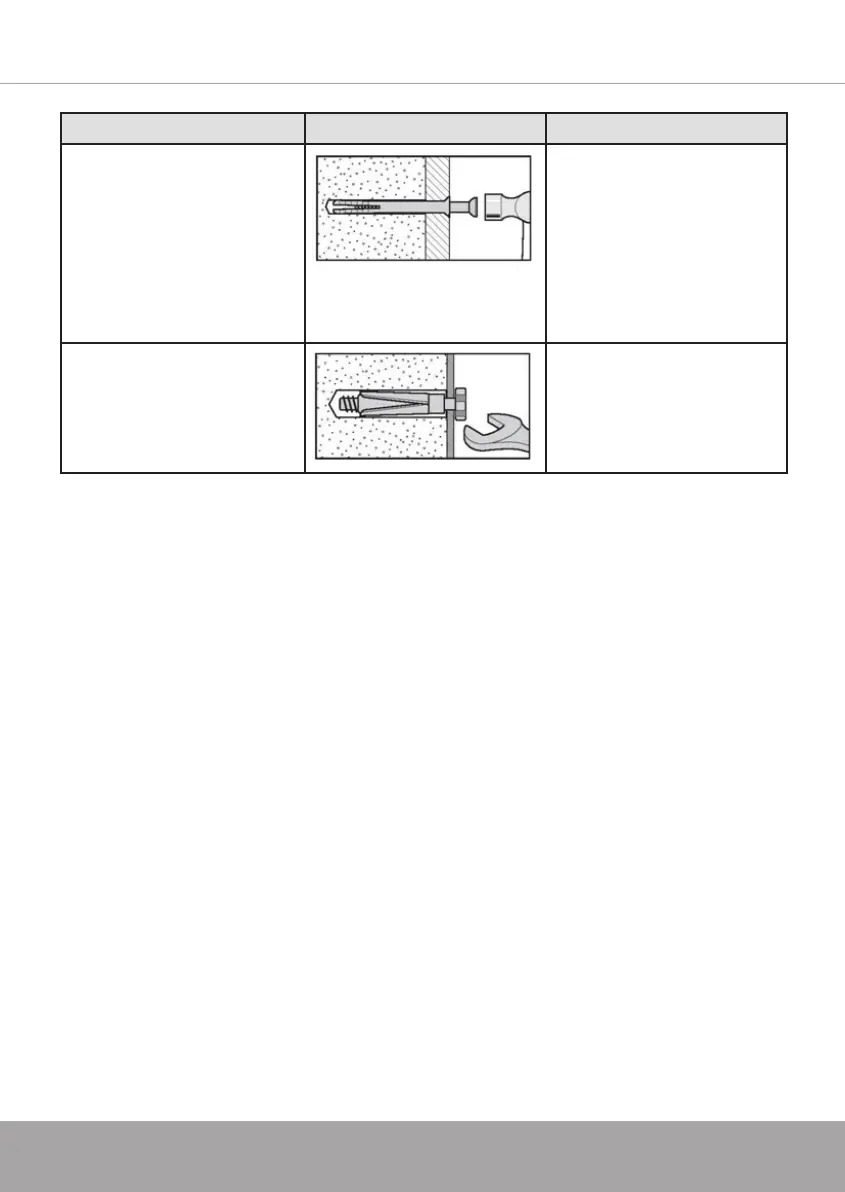
WALL PLUG TYPE DESCRIPTION
Hammer Fixing wall plug
Guide to wall mounting and fixings
Important: When drilling into walls always check
that there are no hidden wires or pipes etc.
If plastic wall plugs are
supplied with your product:
-these are only suitable for use in
masonry walls.
If you are in any doubt about the
correct wall plugs for your wall,
seek professional advice.
Failure of the product due to
using incorrect fixings is the
responsibility of the installer.
Make sure that the screws and wall plugs being used are
suitable for supporting your unit. Consult a qualified
tradesperson if you are unsure.
Hints:
1: Always use a larger screw and wall plug if you are not sure.
2: Ensure you use the recommended drill bit to match the wall plug and
hole size.
3: Ensure you drill the hole horizontally, do not force the drill or enlarge
the hole.
4: Take extra care when drilling high walls, ceilings and ceramic tiles.
Ensure wall plugs are inserted beyond the thickness of the ceramic tiles to
avoid the tiles splitting or cracking.
5: Ensure wall plugs are well fitted and are a tight fit in the drilled hole.
Types of walls
You can use o
ne of the following types of wall plugs if your
wa
lls are made of brick, breeze block, concrete, stone or wood.
NO.1“General Purpose”wall plug
Generally aerated blocks should not be used
to support heavy loads, use a specialist fitting
in this case. For light loads, general purpose
wall plugs can be used.
NO.3 “C
avity Fixing” wall plug
For use with plasterboard partitions or
hollow wooden doors.
NO.5 “Ha
mmer Fixing” wall
p
lug
For use with walls stuck with
plasterboard. The hammer fixing allows
it to be fixed to the wall rather than the
plasterboard. Always check the fixing is
secure to the retaining wall.
NO.2 “Plasterboard” wall plug
For use when attaching light loads on to
plasterboard partitions.
NO.4 “C
avity Fixing –Heavy
D
uty” wall plug
For use when fitting or supporting heavy
loads such as shelving, wall cabinets and
coat racks.
NO.6 “S
hield Anchor” wall plug
He
avy loads
For use with heavier loads such as TV & HiFi
speakers and satellite dishes etc.
Care and
m
aintenance
Safety: Always check the fitting
a
nd location to ensure your safety
in
and around the home.
Fit
ting: From time to time check
t
he fitting to ensure the wall plugs
o
r screws do not become loose.
For use with walls stuck
with plasterboard. The
hammer fixing allows it to
be fixed to the wall rather
than the plasterboard.
Always check the fixing
is secure to the retaining
wall.
Shield Anchor wall plug
heavy loads
Guide to wall mounting and fixings
Important: When drilling into walls always check
that there are no hidden wires or pipes etc.
If plastic wall plugs are
supplied with your product:
-these are only suitable for use in
masonry walls.
If you are in any doubt about the
correct wall plugs for your wall,
seek professional advice.
Failure of the product due to
using incorrect fixings is the
responsibility of the installer.
Make sure that the screws and wall plugs being used are
suitable for supporting your unit. Consult a qualified
tradesperson if you are unsure.
Hints:
1: Always use a larger screw and wall plug if you are not sure.
2: Ensure you use the recommended drill bit to match the wall plug and
hole size.
3: Ensure you drill the hole horizontally, do not force the drill or enlarge
the hole.
4: Take extra care when drilling high walls, ceilings and ceramic tiles.
Ensure wall plugs are inserted beyond the thickness of the ceramic tiles to
avoid the tiles splitting or cracking.
5: Ensure wall plugs are well fitted and are a tight fit in the drilled hole.
Types of walls
You can use o
ne of the following types of wall plugs if your
wa
lls are made of brick, breeze block, concrete, stone or wood.
NO.1“General Purpose”wall plug
Generally aerated blocks should not be used
to support heavy loads, use a specialist fitting
in this case. For light loads, general purpose
wall plugs can be used.
NO.3 “C
avity Fixing” wall plug
For use with plasterboard partitions or
hollow wooden doors.
NO.5 “Ha
mmer Fixing” wall
p
lug
For use with walls stuck with
plasterboard. The hammer fixing allows
it to be fixed to the wall rather than the
plasterboard. Always check the fixing is
secure to the retaining wall.
NO.2 “P
lasterboard” wall plug
For use when attaching light loads on to
plasterboard partitions.
NO.4 “C
avity Fixing –Heavy
D
uty” wall plug
For use when fitting or supporting heavy
loads such as shelving, wall cabinets and
coat racks.
NO.6 “S
hield Anchor” wall plug
He
avy loads
For use with heavier loads such as TV & HiFi
speakers and satellite dishes etc.
Care and
m
aintenance
Safety: Always check the fitting
a
nd location to ensure your safety
in
and around the home.
Fit
ting: From time to time check
t
he fitting to ensure the wall plugs
o
r screws do not become loose.
For use with heavier
loads such as TV & HiFi
speakers and satellite
dishes etc.
CARE AND MAINTENANCE
- Always check the fitting and location to ensure your safety in and around
the home.
- From time to time check the fitting to ensure the wall plugs or screws do not
become loose.
- Your splashback should be cleaned regularly using a suitable cleaner. Under no
circumstances use an abrasive cleaner or material.
- Never use any sharp instruments or abrasive substances, soap, detergent or wax
polish for cleaning.
CSB Splashback Instruction Manual.indd 7 31/05/2016 16:13


 To Next Page
 Loading...