FCM/A5, FEV, FJM, FEM4, FHMA5, FMA4/5, FM(C,U)5, FS(A,M,U)4, FTMA5, F(V,X)M4, F5M4, REM4, WA(H,M,P,X) WB(G,H)L, WC(G,H)L: Service and Maintenance
Manufacturer reserves the right to change, at any time, specifications and designs without notice and without obligations.
6
A98201
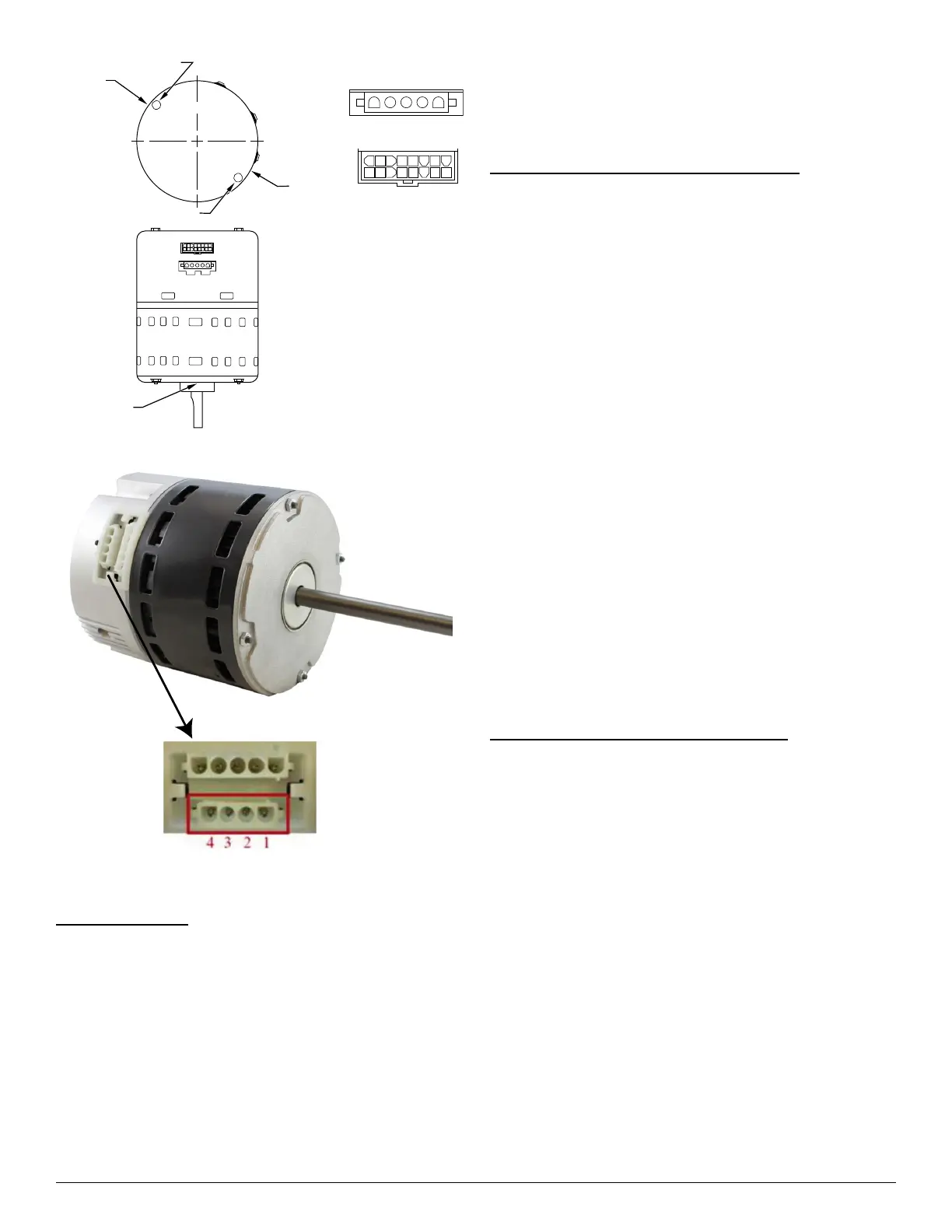
Fig. 5 – FVM4 Motor / ECM2.3 Motor (pre-2023)
A230463
Fig. 6 – ECM Motor, post-2023
FVM, FTM, FG4
Constant Air Flow
Unlike fan coils using induction motors where static pressure affects
airflow, these fan coils are constant airflow units. The blower delivers
requested airflow regardless of static pressure. Consult fan coil Product
Data for static pressure limits. The ECM2.3/5.0 is pre-programmed and
contains airflow tables for all modes of operation. Blower characteristics
(requested airflow, torque, and speed) are known from laboratory testing
If any two characteristics are known, the third is defined.
Requested airflow is known from Easy Select board configuration and
thermostat signals. Torque is known because it is directly related to
stator current, which is measured by motor control. Speed is measured
by counting back EMF pulses from stator windings. This information is
entered into an expression that calculates torque from speed and airflow
numbers. If calculation does not match stored blower characteristics,
torque is adjusted until agreement is reached. This calculation and
adjustment is performed every 0.8 seconds while motor is in operation.
There is no direct measure of static pressure, but unit does react to a
change in static to maintain constant airflow. A change in pressure will
result in a change in stator speed and torque. The motor will begin to
adjust on the next sampling, calculate new desired speed and torque, and
adjust as necessary.
Integrated Controls and Motor ECM2.3/5.0
An ECM2.3/5.0 is fed high voltage AC power through the 5-pin
connector (Fig. 5 or Fig. 4). The AC power is then internally rectified to
DC by a diode module. After rectification, DC signal is electronically
communicated and fed in sequential order to three stator windings. The
frequency of these commutation pulses determines motor speed. The
rotor is permanently magnetized.
An ECM2.3/5.0 is powered with high voltage at all times. The motor
will not run with high voltage alone. Low voltage must be applied to
control plug to run motor.
ECM2.3/5.0 Control Power
The ECM2.3/5.0 control power is supplied from R circuit through
printed circuit runs to motor control Connector-Pin 8, through motor
control harness to motor. The C side of low-voltage control power circuit
is connected by printed circuit runs to motor Connector pins 9, 10, and
11, then through motor control harness to motor.
Low-Voltage Circuit Fusing and Reference
The low-voltage circuit is fused by a board-mounted 5A
automotive-type fuse placed in series with transformer SEC2 and R
circuit. The C circuit of transformer is referenced to chassis ground
through a printed circuit run at SEC1 connected to metal standoff
marked.
NOTE: The PCB must be mounted with two screws and motor ground
lead secured to blower housing or erratic motor operation can result.
Transformer, Motor, and Electric Heater Power Connection
Transformer high voltage supplied from electric heater package or high
voltage leads through 12-pin heater connector plug/recp2. The
ECM2.3/5.0 power connections are made at the transformer primary
terminals. The transformer secondary connections are made at SEC1 and
SEC2 connectors.
PCB Layout and Description (FTM, FVM)
NOTE: Layout of actual PCB is depicted in Fig. 7.
The Easy Select Board is the interface between the ECM motor and
other system components. The board offers choices of electric heater
size, outdoor unit size and type, comfort or efficiency settings, on and off
delay profiles, and continuous fan speed. The installer should select the
correct size of components that are being installed in each installation. If
no selections are made, the factory default settings are for the largest
heater, largest outdoor unit, AC system type, nominal airflow adjust, and
0/90 time delay.
A 16x4 motor signal translator is present for the translation of data from
the board to the motors and is mounted on the back of the PCB bracket.
NOTE: Outdoor unit model should have an AHRI rating with the
variable speed fan coil. Some outdoor unit models will not work
properly with this fan coil.
• Power for system is supplied from a 230VAC, 60-Hz line. Class 2
voltage (24VAC nom.), used for thermostat connections, is derived
from transformer located in close proximity to PCB.
– The 24VAC secondary circuit includes 5A automotive type fuse.
• Connection to heater panel is made through 12-pin connector PL-1.
Connections to thermostat are made at screw terminals. Twenty-one
pin terminals comprise field select taps for motor.
• Fuse Data: 5A automotive-type ATC/ATO (tan)
• 32V
• 200 percent current opening time of five seconds maximum
12345
9
12345678
10 11 12 13 14 15 16
POWER CONNECTOR
CONTROL CONNECTOR
OPTIONAL SAFETY GROUND
DRAIN HOLE
DRAIN HOLE
OPTIONAL SAFETY GROUND
ENDSHIELD
DRAIN HOLE
CONTROL
POWER


 To Next Page