CMT2300A
Rev 1.0 | Page29/46
10 32 54 76 98 1110 1312 1514 1716 1918 2120 2322 2524 2726 2928 3130EMPTY FULL
RX_FIFO_NMTY
RX_FIFO_TH
RX_FIFO_FULL
Sync 10 32 54 76 98 1110 1312 1514 1716 1918 2120 2322 2524 2726 2928 3130RX DATA Noise Noise
SYNC_OK
RX FIFO ARRAY
RX_FIFO_OVF
(FIFO_TH = 16)
RX_FIFO_WBYTE
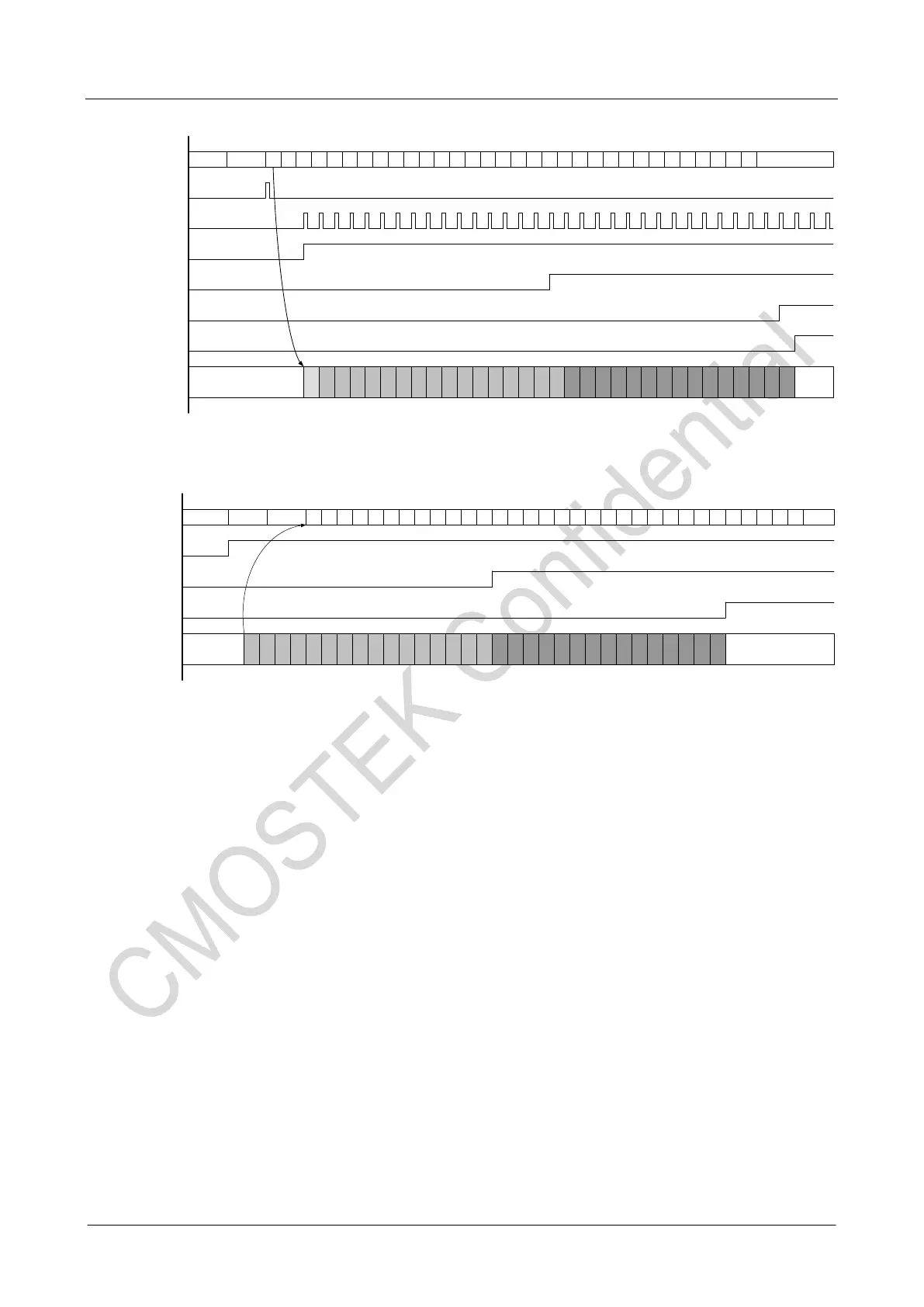
Figure 13. CMT2300ARX FIFO interrupt timing diagram
10 32 54 76 98 1110 1312 1514 1716 1918 2120 2322 2524 2726 2928 3130EMPTY FULL
TX_FIFO_NMTY
TX_FIFO_TH
TX_FIFO_FULL
Sync 10 32 54 76 98 1110 1312 1514 1716 1918 2120 2322 2524 2726 2928 3130TX DATA Prefix 0
FIFO ARRAY
(FIFO_TH = 16)
Pream
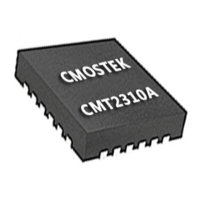
Figure 14. CMT2300A TX FIFO interrupt timing diagram
5.3 Operation State, Timing and Power Consumption
5.3.1 Startup Timing
After the chip VDD is powered up, the chip usually needs to wait about 1ms, then POR will release. After the release of the POR,
the crystal will start, the start time is 200 us - 1 ms, depending on the characteristics of the crystal itself. After starting, the user
need to wait for the crystal settled, then the system starts working. The default setting is 2.48ms. This time can be modified by
writing XTAL_STB_TIME <2:0> afterword (it has to be longer than the crystal inherent settling time). However, if the inherent
settling time of the crystal is difficult to observed by the user, the default setting of 2.48 ms is recommended and is able to cover
most of the crystals.
The chip remains in the IDLE status until the crystal is settled. After the crystal is settled, the chip will leave the IDLE state and
begin to do the calibration of each module. After the calibration is completed, the chip will stay in the SLEEP and wait until the
user to initialize the configuration. At any time, as long as the soft reset is performed, the chip will go back to the IDLE and be
powered up again.


 To Next Page