OPERATION AND SERVICE INFORMATION
26
Owner’s Manual and Service Guide
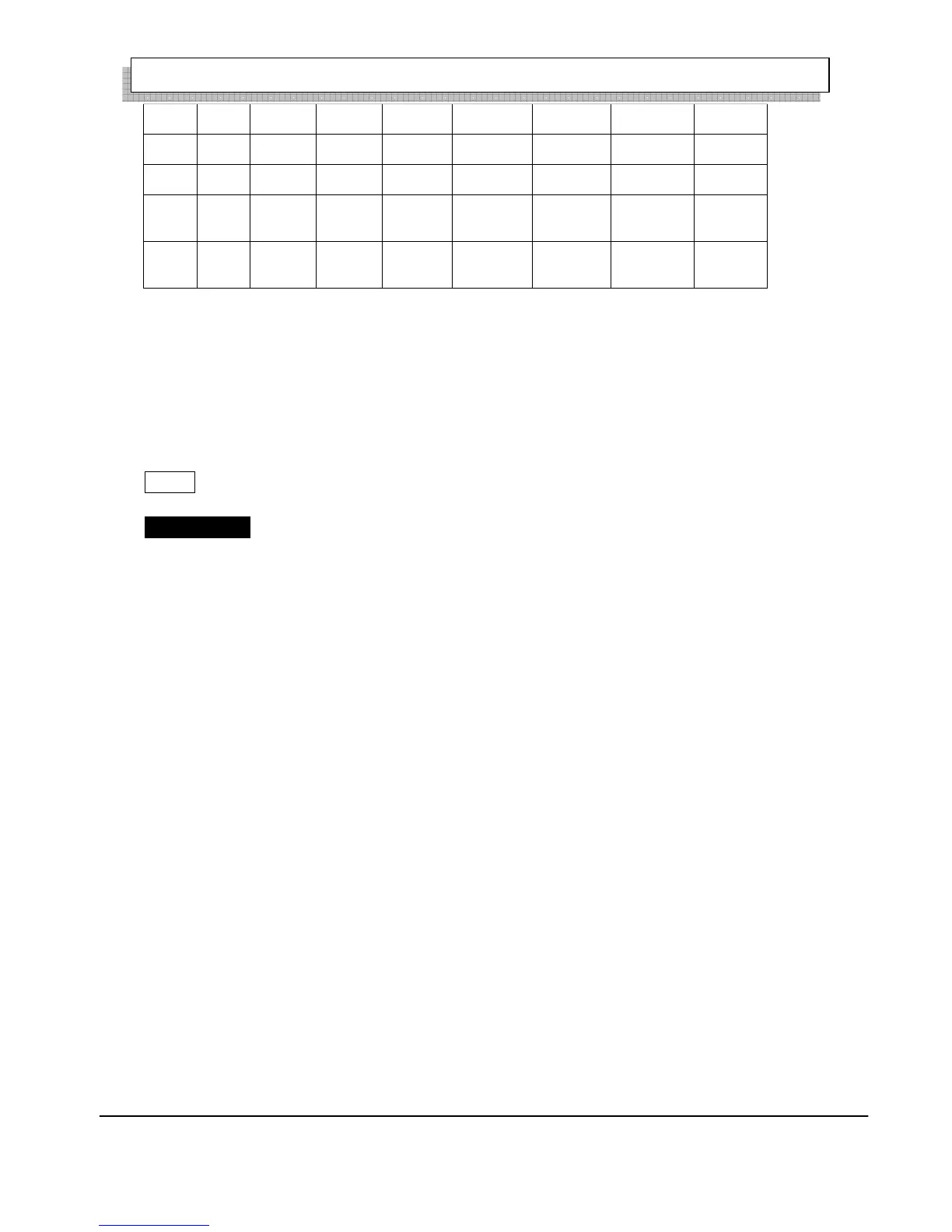
5.6 5-7 12-15 25-31 44-54 69-88 108-137 147-186 206-265
6.6 6-8 14-18 29-39 49-64 83-98 127-157 176-216 245-314
8.8 9-12 22-29 44-58 76-102 121-162 189-252 260-347 369-492
10.9
13-1
4
29-35 64-76 108-127 176-206 274-323 372-441 529-637
12.9
15-2
0
37-50 74-88 128-171 204-273 319-425 489-565 622-830
Figure 15
BATTERIES AND CHARGING
SAFETY
NOTE Always observe the following warnings when working on or near batteries:
! WARNING ! To prevent battery explosion that could result in severe personal injury or
death, keep all smoking materials, open flame or sparks away from the batteries.
Hydrogen gas is formed when charging batteries. Do not charge batteries without adequate ventilation.
A 4% concentration of hydrogen gas is explosive.
Be sure that the key switch is off and all electrical accessories are turned off before starting work on
vehicle.
Never disconnect a circuit under load at a battery terminal.
Batteries are heavy. Use proper lifting techniques when moving them. Always lift the battery with a
commercially available battery lifting device. Use care not to tip batteries when removing or installing
them; spilled electrolyte can cause burns and damage.
The electrolyte in a storage battery is an acid solution which can cause severe burns to the skin and
eyes. Treat all electrolyte spills to the body
and eyes with extended flushing with clear water. Contact a physician immediately.
Always wear a safety shield or approved safety goggles when adding
water or charging batteries.
Any electrolyte spills should be neutralized with a solution of 1/4 cup (60 ml) sodium bicarbonate
(baking soda) dissolved in 1 1/2 gallons (6 liters)
of water and flushed with water.
Overfilling batteries may result in electrolyte being expelled from the battery during the charge cycle.



 To Next Page