3
ENGLISH
Design Philosophy
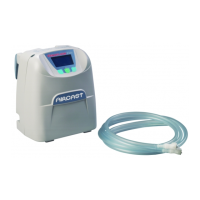
Pneumatic compression is a clinically proven modality for minimizing the risks
associated with deep vein thrombosis.¹ The Aircast VenaFlow Elite System leverages
the same clinically proven technology as the existing VenaFlow oering, but is
presented in a low prole, light-weight design. VenaFlow Elite combines two proven
technologies, rapid ination and graduated sequential compression, via our new
single tube Integrated Graduated Sequential Flow System (IGSF), to accelerate venous
velocity and enhance brinolysis. This unique combination makes VenaFlow the
only technology platform on the market that produces blood ows that mimic those
achieved through ambulation.² Additionally, VenaFlow Elite incorporates asymmetric
compression for the superior emptying of veins.³ The breathable and comfortable
VenaFlow Elite calf, foot and thigh cus enhance the patient experience, assist in
increasing compliance and are compatible with one universal pump.
Function
There are cus for the:
1) Foot
2) Thigh and
3) Calf
Either a single cu on one leg or a cu on each leg is allowed.
Once activated, the VenaFlow Elite system begins the compression cycle and inates
the cus one leg at a time, alternating between the two legs every 30 seconds. First
the distal aircell inates rapidly within less than 0.5 seconds, then the proximal aircell
follows.
Foot Cus: The pressure peaks at approximately 130mmHg +/- 10%.
Calf Cus: The distal pressure peaks at approximately 73mmHg +/-15%, and the
proximal pressure peaks at approximately 63mmHg +/- 15%.
Thigh Cus: The distal pressure peaks at approximately 73mmHg +/-15%, and the
proximal pressure peaks at approximately 63 mmHg +/- 15%.
These pressures then settle at 45mmHg ±10% and after 6 seconds, the cu deates.
In 54 seconds, the ination cycle begins again. An icon will appear on the graphical
display signaling when the ination cycle is in progress (See 'Pump Features' section).
Pressure and the inate/deate cycle are automatic and an alarm will be activated if
the system is not functioning properly (See 'System Alarms' section).
1. Labropoulos N, OH D.S, Golts, E, et al: Improved Venous Return By Elliptical, Sequential and Seamless Air-
cell Compression. Loyola University Medical Center, January 2003.
2. Whitelaw G, Oladipo O, Shah BP, et al: Evaluation of Pneumatic Compression Devices. Boston Orthopedics,
March 2001.
3. KammR:UnsteadyVenousBloodFlowResultingFromDierentModesofExternalCompressionCambridge,
MIT, 1996



 To Next Page