13.0 THE CHILLED MIRROR DEW POINT SENSOR
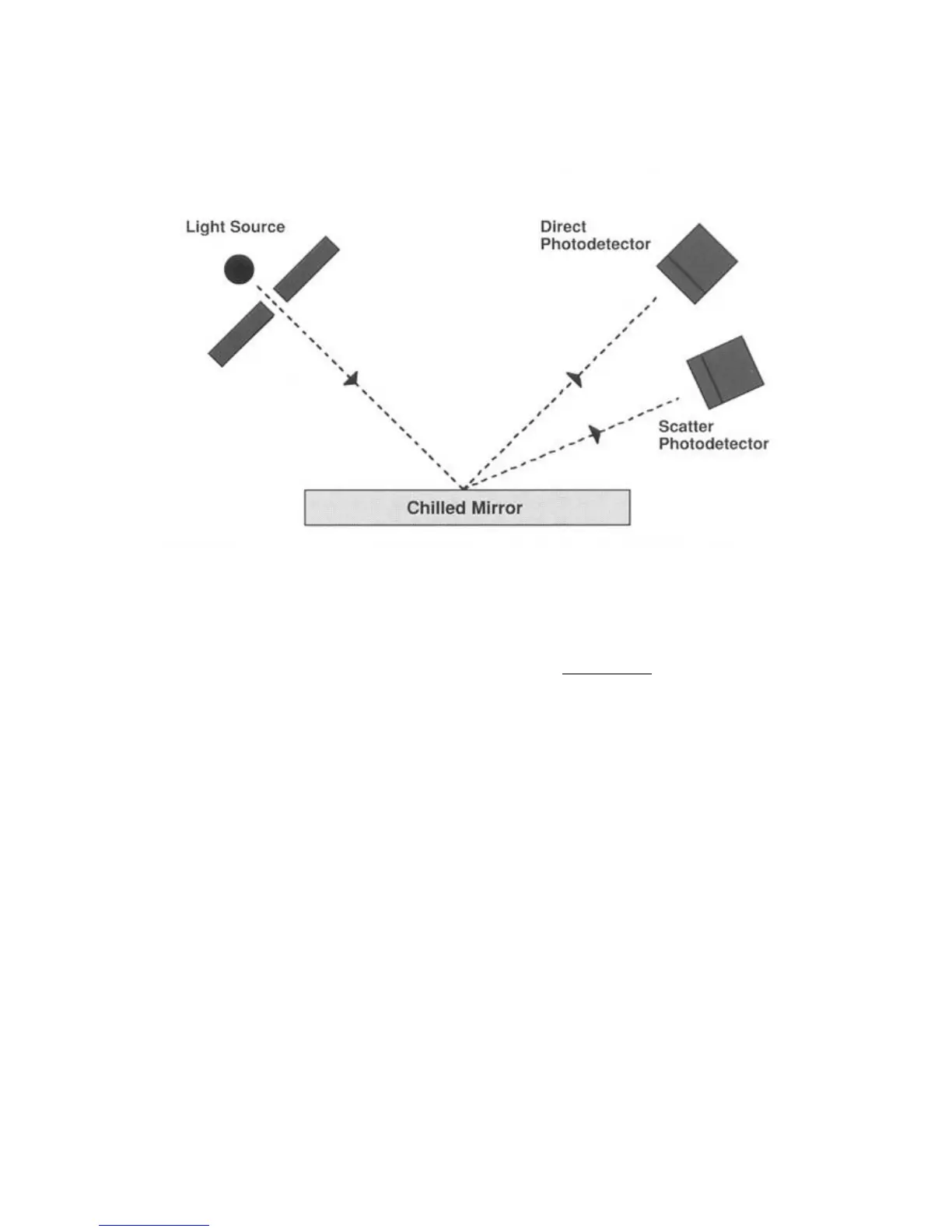
Figure 13-1. Chilled Mirror Block Diagram
13.1 THEORY OF OPERATION
Dew Point is defined as the temperature that moisture just begins to condense on a
surface. The chilled mirror dew point sensor measures this parameter directly. A highly
reflective rhodium mirror is mounted to a solid state heat pump, or thermoelectric cooler.
A light source (LED) is reflected off the rhodium mirror onto an opposing direct
photodetector. The mirror is cooled thermoelectrically to the temperature at which
condensation (dew or frost) first begins to form. This condensate causes the light
source to be refracted, resulting in a reduction of light as seen by the direct
photodetector, and an increase in light as seen by the scatter photodetector. These
signals are next sent to a servo amplifier which controls power to the thermoelectric
cooler, automatically controlling the mirror at whatever temperature is required to
maintain a very thin film of water droplets (or frost) on the surface at all times. This is
the dew point (frost point when below 0
o
C) by definition.
Since the mirror surface is always at the dew point, measuring the mirror temperature
provides actual dew point temperature. Temperature data is received from a PRT
(platinum resistance thermometer) embedded directly beneath the chilled mirror
surface. The PRT is very tightly thermally coupled to the mirror surface, in order to
minimize measurement error.
The advantages of the chilled mirror are:



 To Next Page